Witnesses recount the final moments Eric Fernando Gutierrez Molina was seen standing with notorious local criminals, individuals with extensive prior records, inside the bar: just one cocktail later, the greatest tragedy for American Airlines unfolded
The investigation into the brutal murder of American Airlines flight attendant Eric Fernando Gutierrez Molina has taken a dark and harrowing turn as new eyewitness accounts and forensic details emerge, painting a picture of a calculated trap set by seasoned criminals. The preliminary autopsy has not only confirmed that the 32-year-old was murdered but has also revealed a level of depravity that suggests his final moments were a literal descent into hell. While his body was discovered in a remote, rural area outside the city, investigators have established that this was a secondary location—a dumping ground used to distance the perpetrators from a crime scene that likely sits in the heart of the very district where Gutierrez Molina was last seen alive.
The timeline of the tragedy began on the night of Saturday, March 21, 2026, during what should have been a standard layover in Medellín. Gutierrez Molina, a Dallas-Fort Worth-based crew member known for his vibrant spirit and “beautiful soul,” went out to the El Poblado neighborhood, a popular destination for international travelers. According to Manuel Villa Mejía, the Secretary of Security of Medellín, Gutierrez Molina was initially with a male and female coworker. However, as the night progressed into the early hours of Sunday, March 22, the group splintered. The flight attendant and his female colleague reportedly left their initial location to head to another establishment in the municipality of Itagüí. It was during this transition that they were joined by a group of “unknown people”—individuals who investigators now identify as professional predators with extensive criminal records.
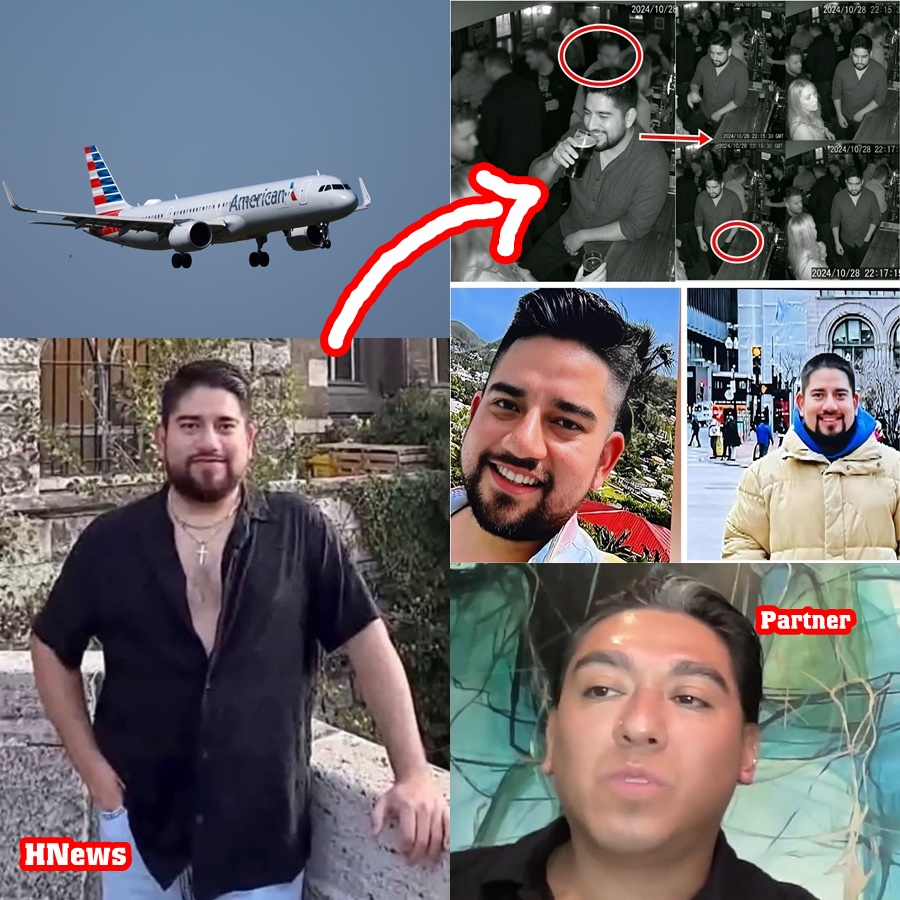
The most chilling revelation from the investigation is the caliber of the individuals Gutierrez Molina was last seen with. Witnesses and surveillance intelligence have placed him in the company of criminals who are not merely petty thieves, but notorious figures known to local law enforcement for their “history of committing theft” using scopolamine. This substance, often referred to as “Devil’s Breath,” is a potent anticholinergic that can be surreptitiously slipped into drinks or even puffed into a victim’s face. Once ingested, it renders the victim a “living zombie”—highly suggestible, unable to resist commands, and ultimately left with total amnesia of the events that transpired.
The testimony from Gutierrez Molina’s female coworker provides a terrifying glimpse into the efficacy of this drug. While she managed to return to her hotel, she arrived in a state of extreme disorientation, her memory fractured and her sense of time obliterated. Sharom Gil, Gutierrez Molina’s best friend, confirmed that the colleague was “also a victim of whatever Fernando is going through,” indicating that both crew members were targeted simultaneously. However, while the woman was released or managed to escape the primary site of the encounter, Gutierrez Molina remained in the hands of his captors.
For Ernesto Carranza, Gutierrez Molina’s partner of many years, the silence that followed Sunday morning was deafening. Carranza, who described Eric as the “sunshine in his life,” grew concerned when he could not reach him. The dread intensified when digital tracking revealed that Gutierrez Molina’s phone had pinged at two distinct locations that were “nowhere near” the flight attendant’s hotel. These pings are now believed to have been the movements of the killers as they transported a drugged and incapacitated Gutierrez Molina toward the rural outskirts where his life would eventually be extinguished.
The autopsy results have shattered any remaining hope the family held for a miraculous return. The findings confirm that the flight attendant was subjected to physical violence that exceeded the “standard” protocol for a scopolamine robbery. Usually, these criminal rings aim to keep the victim alive just long enough to drain their bank accounts. In this instance, something went horribly wrong, or the perpetrators acted with a level of malice that transitioned the robbery into a homicide. The fact that the body was found in a remote spot underscores the calculated nature of the crime; the killers knew the city’s surveillance network was dense and moved the victim to a “blind spot” to perform the final act and dispose of the evidence.
Despite the sophisticated methods used by the killers, Medellín’s security forces have made significant strides in tracking them. Secretary Villa confirmed that investigators have identified specific vehicles and mobile phones used by the suspects. These individuals are described as having “predatory profiles,” often operating in the nightlife sectors of El Poblado and Itagüí to scout for foreigners who appear affluent or vulnerable. The use of scopolamine allows these criminals to bypass physical struggles, making the eventual murder of Gutierrez Molina even more baffling to investigators—it suggests a level of escalation that is atypical for these rings, pointing toward a “hellish” confrontation in his final hours.
The impact of this tragedy has reverberated through the aviation industry. American Airlines and the Association of Professional Flight Attendants (APFA) have expressed their devastation, pledging full cooperation with Colombian authorities. For his colleagues, Eric was more than just a coworker; he was a Salvadoran-American success story, a man who had built a life of service and travel. His father’s journey to Colombia to aid in the search ended in the worst possible way, facing the reality of his son’s murder in a city that Eric had likely visited many times before without incident.
As the investigation continues, the focus remains on the “clear leads” held by the police. The truth that is emerging is one of a coordinated strike by a gang of “notorious” criminals who saw a kind-hearted man as a target. The horror of the case lies in the contrast between Gutierrez Molina’s final communication—a simple text about a night out with friends—and the reality of being held by career criminals in a location far from the safety of his hotel. The family’s plea for “justice to those who did this to him” now rests on the ability of the Medellín Metropolitan Police to close the net on the suspects they have already identified. The “sunshine” of Eric’s life has been extinguished, but the pursuit of the truth behind his final, agonizing hours continues to drive a massive international effort to bring his killers to justice.