The harrowing testimony of the 13-year-old boy who survived Shamar Elkins’ massacre: A lucky escape by climbing across the roof
THE SOLE SURVIVOR: THE HARROWING ROOFTOP ESCAPE OF A 13-YEAR-OLD BOY
Amidst the ruins of a family and a grief that has smothered the city of Shreveport, Louisiana, the story of the 13-year-old boy who survived Sunday morning’s massacre is a fragile, yet haunting, glimmer of hope. While eight other children perished under the gunfire of Shamar Elkins—a 31-year-old Army veteran in the throes of a homicidal frenzy—this teenager executed an unthinkable escape to reclaim his life from the hands of a killer.
Gunfire at Dawn and a Life-or-Death Decision
Just after 6:00 AM, while most of the neighborhood was still asleep, a home in Shreveport suddenly became the site of a bloody massacre. Shamar Elkins, the father of seven of the eight young victims, began firing wildly.
In the chaos, as deafening blasts rang out repeatedly through the walls, the 13-year-old boy realized the house was no longer a sanctuary. Driven by a powerful survival instinct, he did not choose to hide under a bed or in a closet—places where Elkins could easily find him—but instead decided to find a way out by climbing upward.
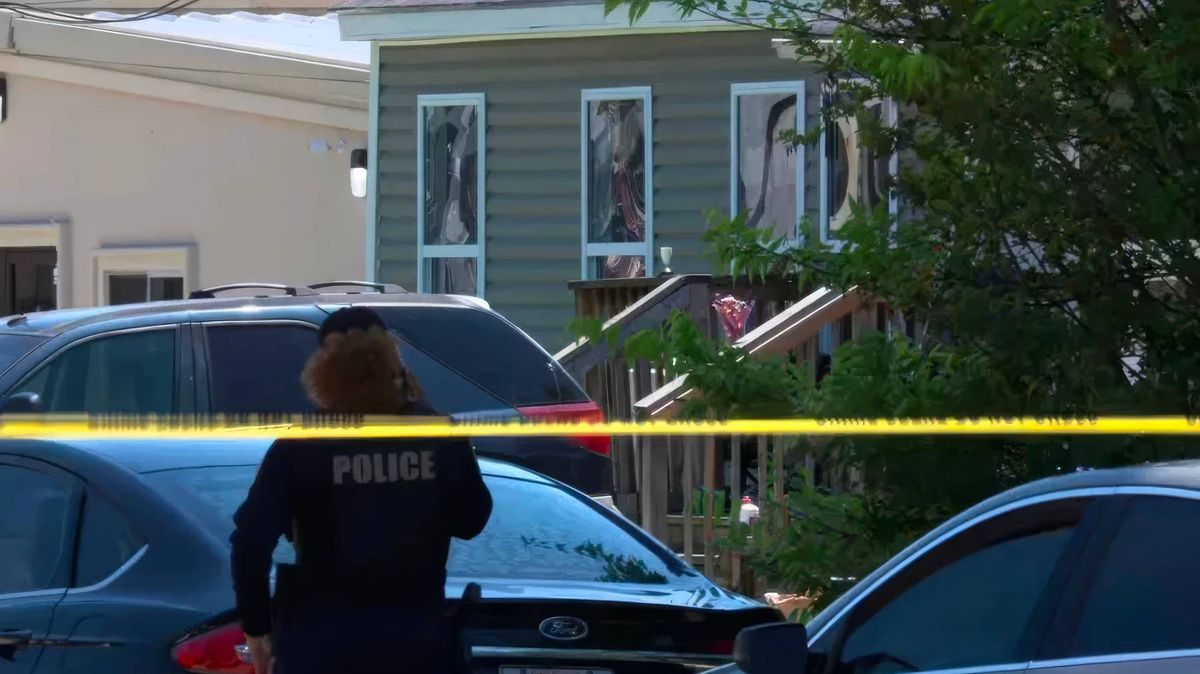
The Escape Across the Roof
The boy climbed through a window and crawled onto the roof to escape his father, who had lost all control. From that height, in the early morning chill, the teenager faced a brutal choice: remain on the roof and risk discovery, or jump to find a chance at survival.
Without a moment’s hesitation, the boy leaped from the roof to the ground. The fall from such a significant height resulted in a broken leg. However, the physical agony seemed like nothing compared to the sheer terror of knowing a killer was right behind him. Despite his severe injury, the boy managed to pull himself away, seeking distance from the scene where eight other children—including his siblings and a cousin—did not survive.
The Pain of the Sole Survivor
Police confirmed that this teenager was the only child to survive the horrific shooting. Shamar Elkins murdered seven of his own children and one of their cousins before dying following a high-speed police pursuit.
While the exact relationship between the boy and Elkins has not been explicitly clarified, being the lone witness to escape that fury has left a profound psychological scar. While doctors treat his broken leg, mental health experts worry about the “survivor’s guilt” the teen will face upon realizing that every other child in the home is gone.
An Unforgettable Scene
Authorities arriving at the scene described it as the most horrific sight they had ever witnessed. Eight small bodies lay scattered within and around the home. Had it not been for the bravery and the split-second decision to climb across the roof, the list of victims would likely have included one more name.
The story of the 13-year-old boy is not only a testament to the brutality of domestic violence but also a symbol of a fierce will to live. As the city of Shreveport enters days of mourning, the account of his rooftop escape will remain a painful reminder of what was lost and the staggering price of survival in an unbelievable tragedy.
DRIVEN BY DIVORCE: THE “DEMONS” WITHIN AND THE TRAGEDY OF A FATHER WHO MURDERED HIS 7 CHILDREN IN LOUISIANA
Amidst the desperate cries echoing through Shreveport, Louisiana, a horrific tragedy unfolded as Shamar Elkins, a 31-year-old father, opened fire, claiming the lives of eight children—seven of whom were his own. As investigations draw to a close, the most heartbreaking motive has been revealed: A crumbling marriage and the haunting specter of divorce pushed the perpetrator into a chasm of violent frenzy.
1. A Bloody Morning in Louisiana
April 19 should have been a routine day in Shreveport. Instead, it became the darkest day in the city’s history. In a short span of time, Shamar Elkins carried out a brutal shooting spree across at least three different locations.
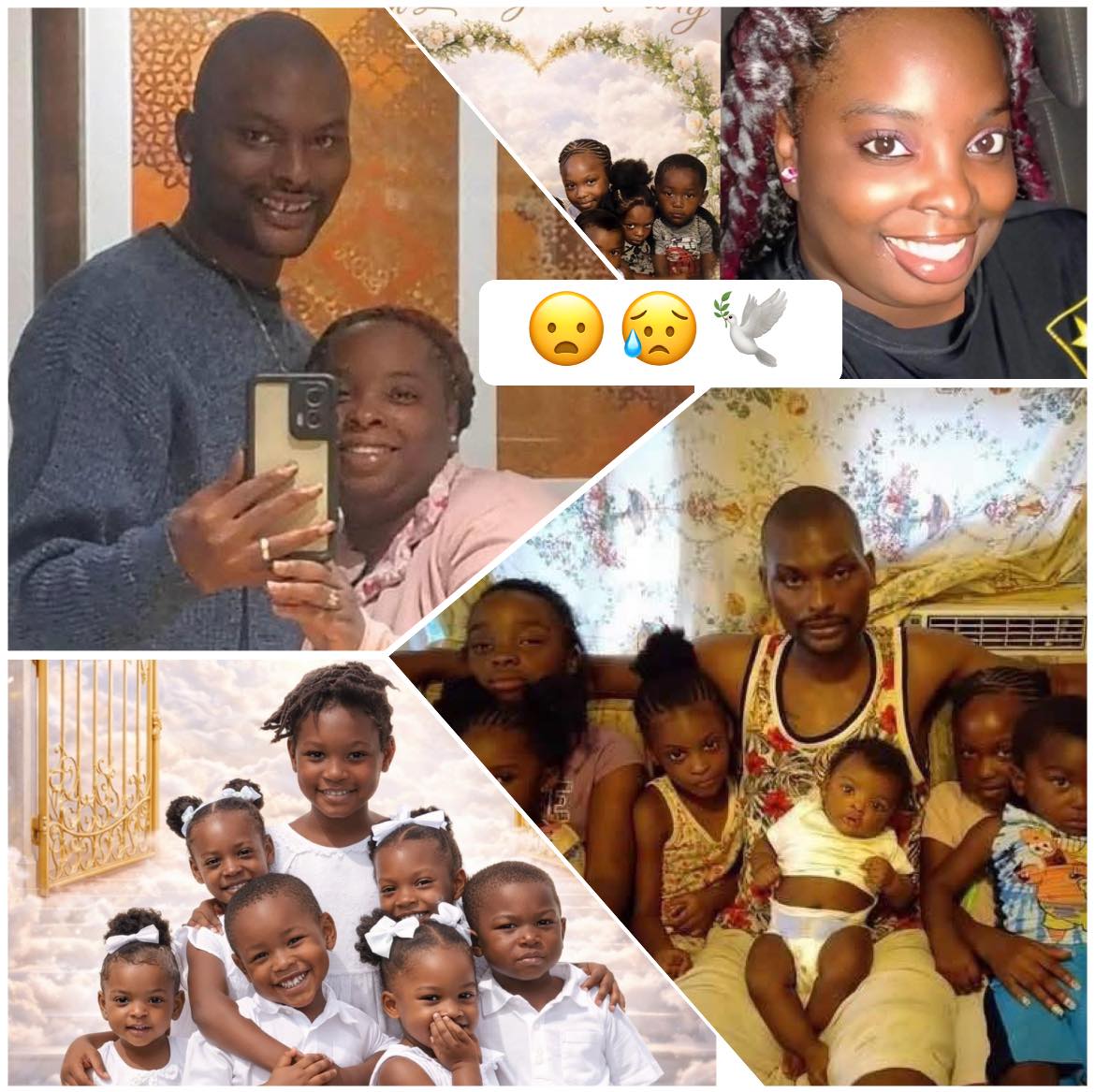
Police described the crime scene as “execution-style.” Eight children, the youngest just 1 year old and the oldest 11, fell under the gunfire of their own father. The victims were identified as Jayla, Shayla, Kayla, Layla, Markaydon, Sariahh, Khedarrion, and Braylon. Seven of them were Elkins’ biological children. His wife, Shaneiqua Pugh, was also shot and remains in critical condition.
Shreveport Mayor Tom Arceneaux choked back tears during a press conference: “This is perhaps the worst tragedy we have ever seen in our lives.”
2. The Root Cause: A Demand for Divorce
As investigators delved into the motive, they realized this was no random act of violence. The fuse for this tragedy was a request for divorce from his wife.
According to Elkins’ stepfather, Marcus Jackson, the relationship between Elkins and Shaneiqua Pugh had severely fractured recently. Elkins, a veteran who served in the National Guard, appeared to have tethered his entire identity to his home life. When Shaneiqua announced her intention to end the marriage, Elkins’ world completely collapsed.
Extreme possessiveness and the fear of abandonment curdled into hatred. Instead of seeking a resolution or accepting the separation, Elkins chose the most radical path: destroying what was most precious to them both—their children. It was a move calculated to leave his wife in eternal agony or, perhaps, to “take them all with him” to the other side.
3. A Desperate Call and a Prophecy of Death
The warning bells had been ringing long before the first shot was fired, but no one could intervene in time. On Easter, Elkins called his biological mother and stepfather in a state of panic.
Mr. Jackson recalled: “He was crying and said he wanted to end his life. He told me his wife wanted a divorce and that he was drowning in ‘dark thoughts’.”
During that call, Elkins left a haunting remark: “There are some people who just can’t escape the demons within themselves.”
Though his parents tried to comfort him, insisting that he could get through it, Elkins had seemingly already made his decision. The “demons” he referred to were a toxic cocktail of mental health struggles and a monstrously cruel selfishness. He did not want to lose his wife, and if he couldn’t have her, he would sever every bond that connected them.
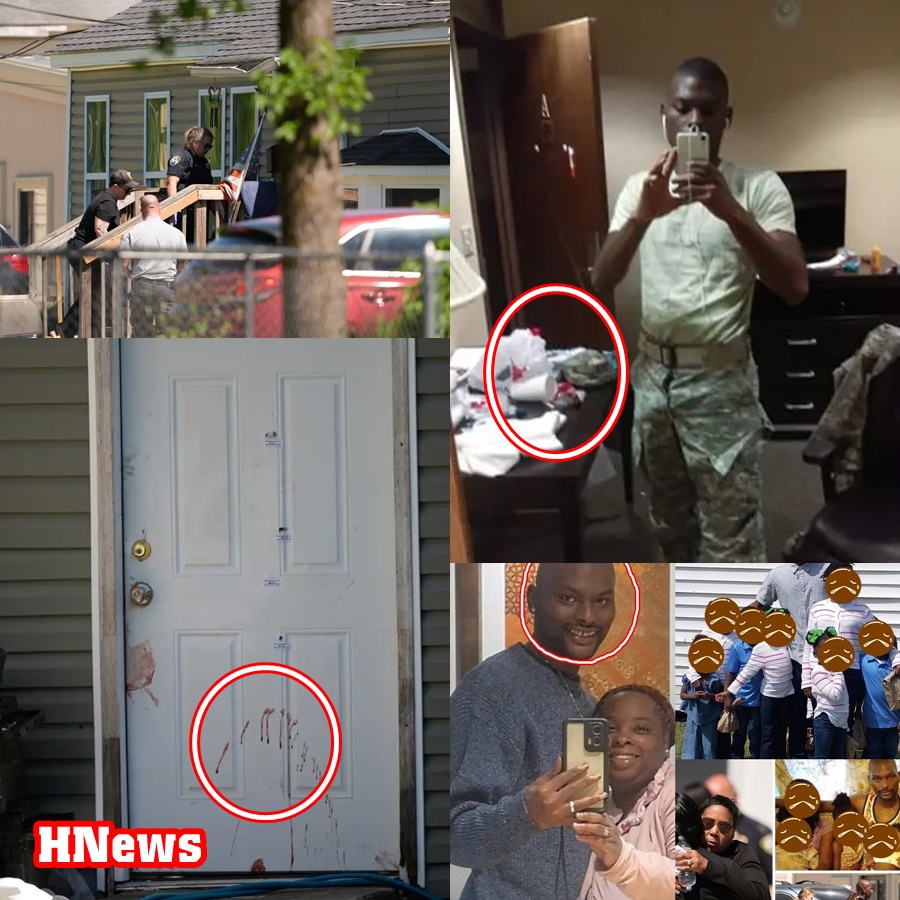
4. The Shadow of a Killer: Pressure and Instability
Shamar Elkins was no stranger to violence. Criminal records show prior arrests for DUI and illegal use of a weapon. However, to former colleagues at UPS, Elkins appeared to be a “typical, devoted father.”
This duality reflects a terrifying reality: Elkins hid his psychological instability behind a mask of normalcy. He had a habit of pulling his hair when anxious, leaving a bald patch on his head. The accumulated stress from work, financial pressure, and the climax of a failing marriage created a “perfect storm.”
The “execution-style” murders of his children suggest a cold-blooded calculation. This was not a total loss of control in a moment of madness, but a savage punishment inflicted upon the wife who dared to leave him.
5. The Grief of Those Left Behind
Mahelia Elkins, the killer’s mother, now faces a double-edged grief: her son is a murderer, and her grandchildren are gone forever. She recalled with shock his last text on April 16: “Everyone is fine.”
Only days after that reassuring message, the tragedy struck. The grandparents sensed something was wrong, but geographical distance and Elkins’ reclusive nature meant they were helpless to save their grandchildren.
Currently, Shaneiqua Pugh—the mother who lost seven children—is still fighting for her life. If she recovers, she will face a reality more brutal than death: an entire generation of her family wiped out by the man she once loved.
6. A Costly Lesson on Mental Health and Domestic Violence
The Louisiana massacre is a painful reminder to recognize the signs of domestic violence and mental health crises. A man with a history of weapon use, experiencing a divorce crisis, and expressing suicidal ideation is a massive “red flag.”
In many family massacres in the U.S., divorce is a primary trigger. The perpetrator often views their wife and children as “property” rather than independent individuals. When they lose control, they choose to destroy that “property.”
Conclusion
The Shamar Elkins case will haunt Louisiana for decades to come. Candles have been lit in Shreveport, but no light can compensate for the loss of eight small lives.
The cause has been found—selfishness in the name of love and the collapse of a marriage. But behind that cause lies a vast void in mental health support and firearm control. Shamar Elkins died following a police pursuit, taking with him the cowardice of a man who could not face reality, leaving a hole that can never be filled in the hearts of his loved ones and American society.
“Why, God? Why?”—The gut-wrenching cry of the grandmother is the same question the world is asking in the face of an unforgivable crime.