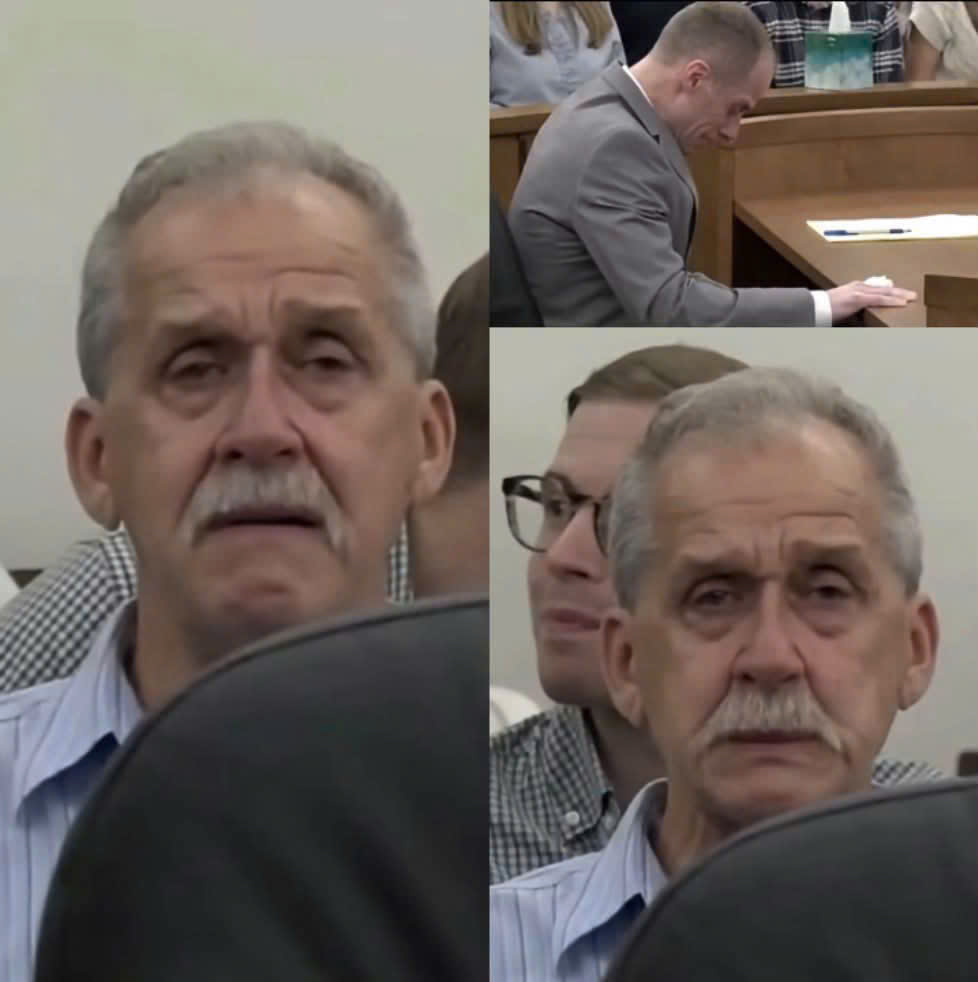
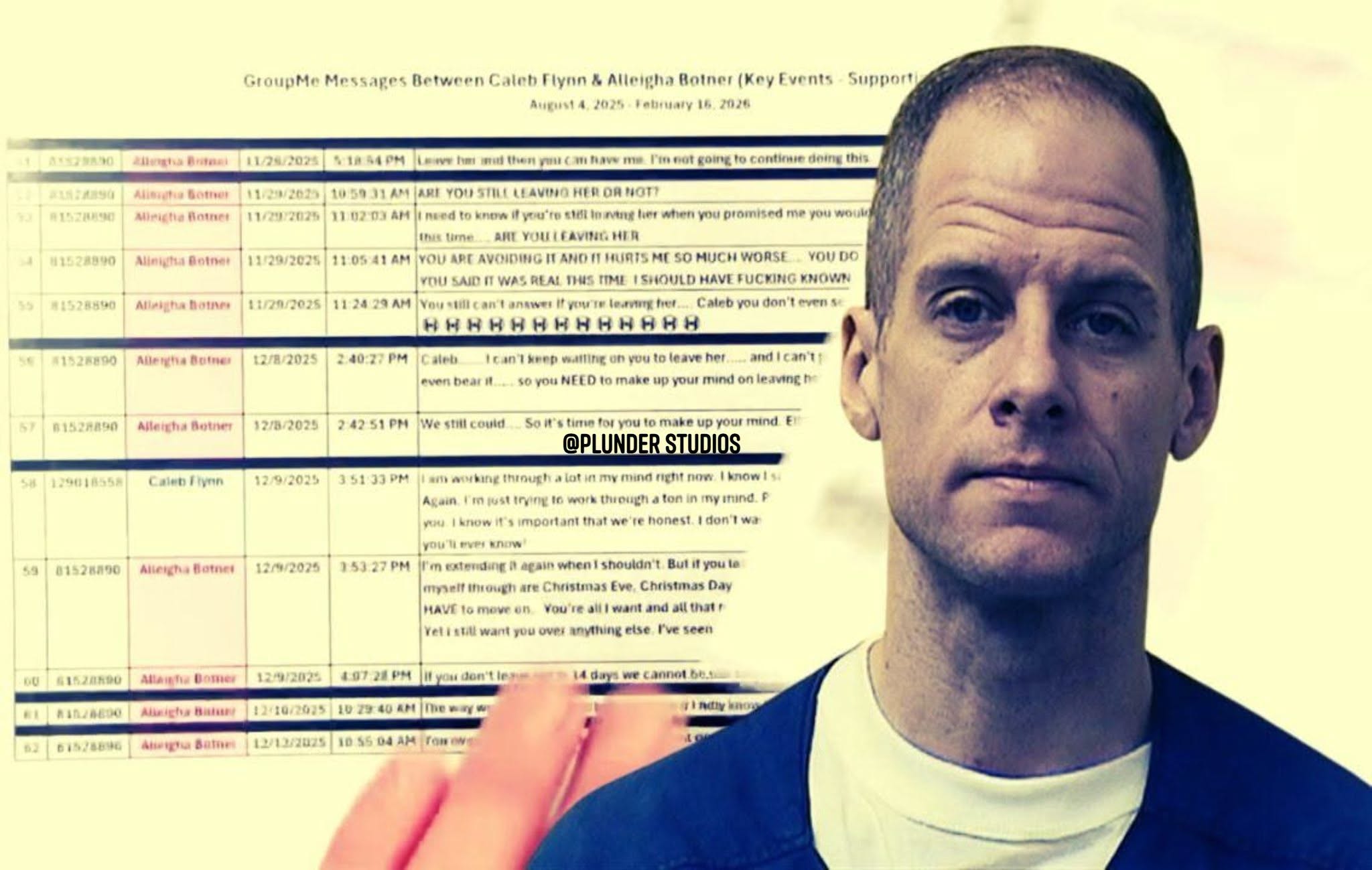
SHOCKING: Animal-loving zookeeper who treated creatures like his own children murders wife and incinerates body in zoo furnace; gruesome findings at the scene haunt the world as a “model of morality” collapses
THE DEVIL’S MASK: THE “INCINERATOR” TRAGEDY AT ASAHIYAMA ZOO AND THE COLLAPSE OF A MORAL ROLE MODEL
On April 30, 2026, the Japanese public was frozen in shock as Hokkaido Prefectural Police escorted Tatsuya Suzuki into a specialized vehicle. Behind the gentle facade of a dedicated zookeeper lay a brutal plot: murdering his wife and using an animal incinerator to erase all traces of the crime. This case is not only a family tragedy but also a stark warning about the “monsters” hiding beneath a perfect veneer.
1. A Mysterious Disappearance and a Desperate Search
The story began in early April 2026, when the family of Yui (30 years old) began to feel a sense of dread. Weeks had passed since they last heard her voice. Sparse, cold, and formal text messages led her relatives to suspect that the person holding the phone was not Yui.
By April 25, after nearly a month without direct contact, the victim’s parents reported their daughter missing to the police. Tatsuya Suzuki, the victim’s husband, initially remained calm. He even played the role of a worried husband, enthusiastically cooperating with authorities to find his “missing wife.” He nonchalantly offered theories about her leaving home due to the pressures of daily life.
However, the cracks in Suzuki’s testimony began to appear when police extracted GPS data and closed-circuit television (CCTV) footage from around the couple’s residence in Asahikawa City.
2. The Night of Horror on March 31: A Crime in the Shadows
According to the preliminary investigation and the perpetrator’s confession, the tragedy occurred on the night of March 31, 2026. After a heated argument regarding financial issues and marital control, Suzuki murdered his wife at their home.
What sent shivers down the investigators’ spines was the method of disposal. Instead of choosing conventional means, Suzuki exploited his own profession. As a veteran employee with access to restricted areas at Asahiyama Zoo, he was well aware of the operating schedule and the location of the specialized incinerator—an area typically used to dispose of animals that had died from disease or old age.
In the dead of night, Suzuki transported his wife’s body to the zoo. Utilizing his authority, he started the furnace. For several continuous hours, under the characteristic cold of Hokkaido, the fire inside the incinerator consumed all evidence of a human life. Suzuki believed that once the body was turned to ash and mingled with animal remains, his crime would be lost to the void forever.
3. Portrait of the Culprit: A “Hero” to Animals and a Cold-Blooded Killer
The shock of the case lies in the fact that Tatsuya Suzuki was a figure with a highly positive reputation at his workplace. Colleagues at Asahiyama Zoo described him as a man who was:
- Dedicated: Always the first to arrive and the last to leave.
- Animal-loving: He reportedly burst into tears when a polar bear passed away.
- Gentle: Never raised his voice at colleagues and was always ready to help others.
An anonymous colleague shared: “We couldn’t believe it. Suzuki was someone the children visiting the zoo adored. He taught them about love and life, yet he himself took the life of his partner in the most cruel way imaginable.”
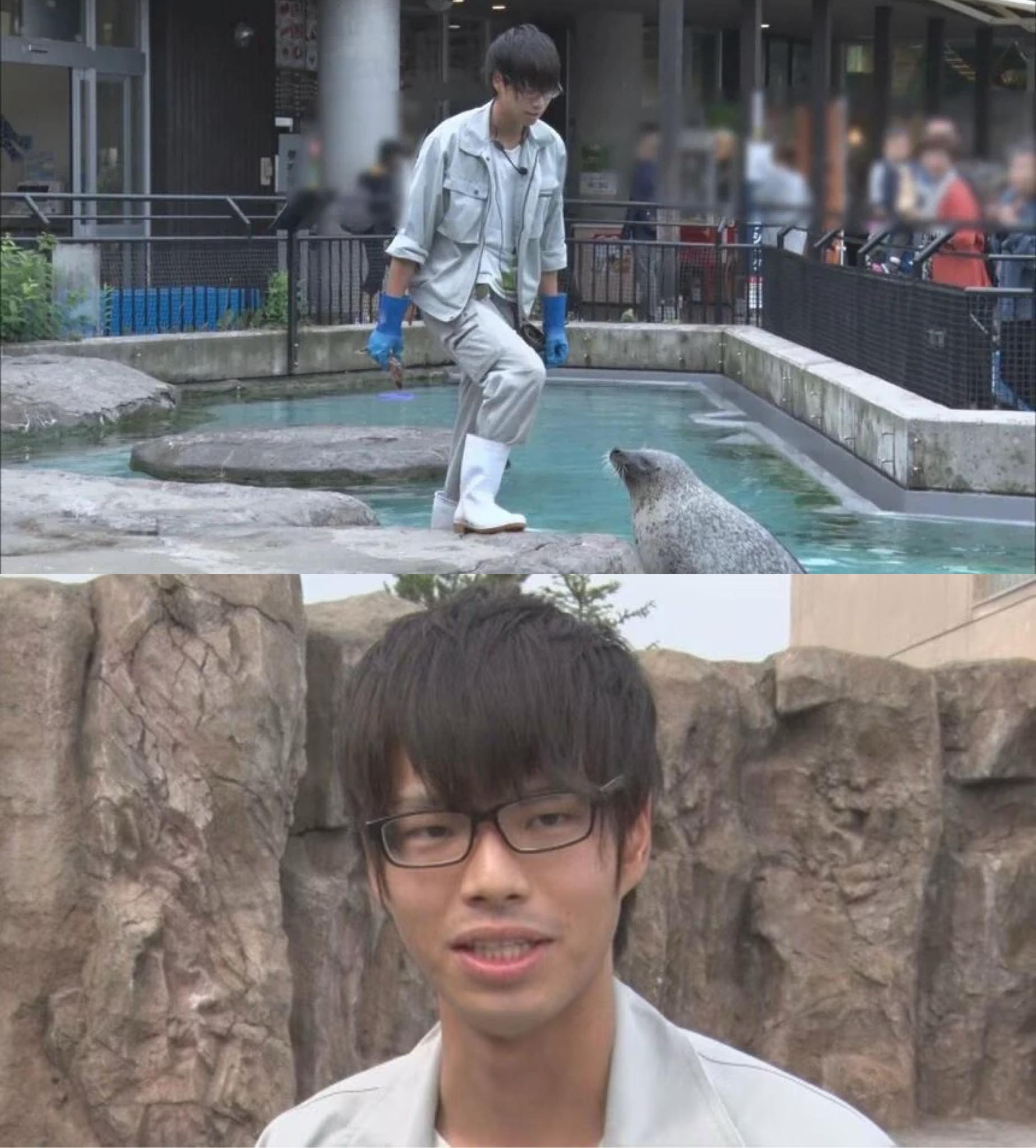
However, behind that moral “mask” was a fractured personality. Sources from the victim’s circle revealed that Suzuki frequently complained about being strictly controlled by his wife. He felt suffocated in his own marriage. This long-accumulated resentment transformed a “gentle” man into a calculating murderer. More frighteningly, Suzuki had once threatened his wife during a fit of rage, saying: “If you don’t leave me alone, I will make you disappear so that no one will find even a single bone.”
4. The Gruesome Scene Inside the Incinerator
When police raided Asahiyama Zoo following Suzuki’s confession, a heartbreaking scene unfolded. Forensic experts meticulously sifted through the ashes of the animal incinerator. The results were horrific: several small bone fragments and human teeth were found, having failed to melt completely under the high temperatures.
Identifying the victim through burnt bone samples was a major challenge for the forensic team. However, using modern professional measures and DNA testing on the remains, police initially confirmed that they belonged to Yui.
“This is not just a murder; it is an affront to human dignity and the sanctity of a place that nurtures life like a zoo,” a representative of the Hokkaido Prefectural Police stated.
5. Consequences and Government Remorse
The case triggered a massive wave of public outrage across Japan. Asahiyama Zoo—a tourism symbol of Hokkaido and a point of local pride—is now shrouded in an atmosphere of mourning and gloom.
- Temporary Closure: The zoo management announced a suspension of all sightseeing activities and postponed the summer reopening indefinitely to facilitate the scene investigation.
- Apology from the Highest Level: The Mayor of Asahikawa held an emergency press conference, bowing in apology to the public for management failures that allowed a culprit to exploit public tools for a criminal purpose.
Thousands of citizens have come to place flowers and candles at the zoo gates, not to visit the animals, but to commemorate the ill-fated victim and express their revulsion at Suzuki’s actions.
6. A Costly Lesson in Character and Vigilance
The Asahiyama Zoo case is a textbook example of the psychological theory of the “social mask.” Tatsuya Suzuki built a perfect secondary persona to hide internal conflicts and violent instincts.
Criminal psychologists noted that using an incinerator to dispose of a body shows cold calculation and a loss of basic humanity. It reflects an extreme psychological state: where the perpetrator no longer views the victim as a human being, but merely an “obstacle” to be processed like biological waste.
Conclusion: Currently, Tatsuya Suzuki is being held under strict detention and faces charges of Murder and the Destruction/Insult of a Corpse. If convicted, the highest penalty of death awaits the man who used fire to erase the footprints of his crime.
The case has closed its initial investigation phase but leaves behind an unquenchable pain for the victim’s family and a deep scar on the community. It reminds us that sometimes, the most brutal truths are hidden behind the kindest smiles. Never judge a person solely by their moralistic words or polished appearance, for the darkness in the human heart is sometimes deeper than any cave in the world.