COLD-BLOODED CRIME IN NARBONNE: THE FACES OF THE JUVENILE KILLERS AND THE SELFIE PHOTOS HAUNTING ALL OF FRANCE
COLD-BLOODED CRIME IN NARBONNE: THE FACES OF THE JUVENILE KILLERS AND THE SELFIE PHOTOS HAUNTING ALL OF FRANCE
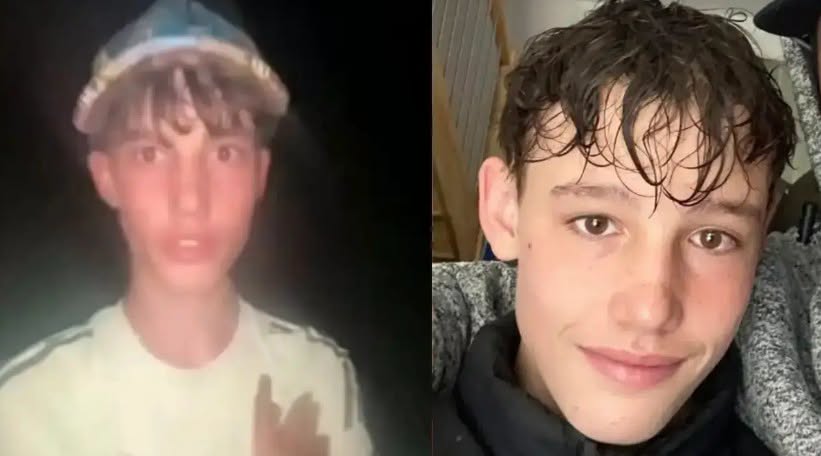
NARBONNE, FRANCE – The murder investigation of Louis, the 17-year-old teenager beaten to death at an isolated construction site at No. 15 Quai d’Alsace (Narbonne), continues to expose horrific truths far beyond public imagination. As deeper investigative details are unveiled by the public prosecutor’s office, the veil of mystery surrounding the identities of the gang, the cowardly motive behind the ambush, and especially the emergence of cold-blooded selfie photos taken next to the victim’s body is sending shockwaves of absolute outrage through all of France.
1. The Faces of the Suspects and a “Downward Spiral” Under the Shadow of Foster Care
French investigative police swiftly arrested a total of five suspects directly linked to the assault. The group ranges in age from 16 to 20, including three minors and two legal adults.
An alarming detail drawing intense public scrutiny is that both the victim, Louis, and three of the juvenile suspects were current or former individuals under the care of the Child Social Assistance (ASE) — France’s institutional system for foster homes and vulnerable youth.
According to records from the prosecutor’s office, the three juvenile suspects were no strangers to the law. Prior to causing Louis’s death, they already possessed a long record of violations within ASE facilities, including incidents of disorderly conduct, threats, and severe violence. The lax supervision, coupled with a lack of timely punitive or isolation measures by the welfare system, inadvertently created an environment for these “seeds of crime” to gather, form a gang, and spiral into cold-blooded violence.
2. The Motive: A Cowardly and Vindictive Act of Revenge
When the murder first occurred, various hypotheses regarding ethnic clashes or gang turf wars were raised. However, following extensive interrogations and a thorough review of the prior history between the parties, the public prosecutor officially ruled out any racial elements, confirming that this was a premeditated murder (guet-apens) stemming from a cowardly motive of personal revenge.
The root cause traces back to events that took place earlier in May. Louis, a timid teenager who faced multiple social disadvantages due to his Attention Deficit Hyperactivity Disorder (ADHD), had been repeatedly bullied, extorted, and threatened with violence by this group of suspects in the local area. Refusing to suffer in silence, Louis courageously went to the Narbonne city police station to file a formal complaint exposing their behavior.
It was this legal act of self-defense that turned Louis into a target for elimination. Viewing the police intervention as an “insult” and a “betrayal,” the five suspects orchestrated a meticulous plan to lure Louis into a deadly trap at the Quai d’Alsace construction site on the night of June 19, aiming to “teach him a lesson he would never forget.” The forensic report confirms that the element of prior planning (préméditation) elevates the case from an ordinary brawl to the most severe level of homicide.
3. The Haunting Selfies and Irrefutable Digital Evidence
In the latest development shocking French media, investigators have recovered disturbing digital evidence described as “the most haunting selfies in the history of French juvenile delinquency.”
According to leaked data from social media platforms, specifically the Snapchat application, while the brutal ambush was unfolding, one of the perpetrators casually raised his phone to snap several selfies. In the photos, the attacker poses with a mocking smirk, flashing a victory sign with his fingers, while directly behind him, 17-year-old Louis lies curled up, gasping for breath and dying (agonizant) in a pool of blood on the concrete floor of the construction site.
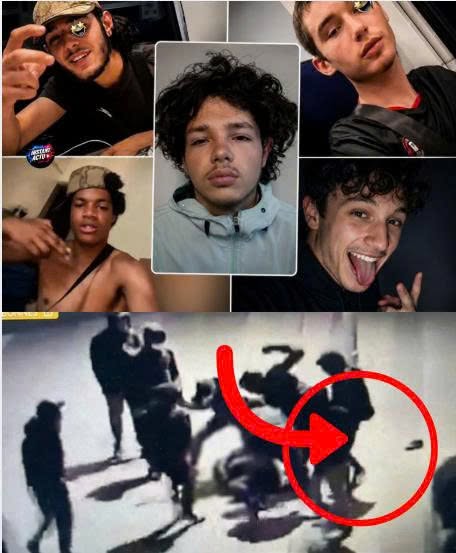
Furthermore, detectives stated that the gang also filmed short videos clearly showing them repeatedly kicking the victim’s head and stomping on his chest, accompanied by malicious jeers and insults: “This is what you get for going to the police!”.
Criminologists analyze that these selfies expose a sickening reality regarding the psychology of today’s young offenders: empathy is entirely extinguished, and violence is no longer a hidden act but a digital “trophy,” a tool to project power and arrogance in virtual spaces. They viewed a human life as mere entertainment, a piece of content to harvest digital interactions.
4. Legal Weapons Shattering All Lines of Defense
While these selfies and videos circulated online bring agonizing, bone-deep pain to the victim’s family, to law enforcement, they have become irrefutable digital weapons strengthening the case against all five suspects.
Previously at the police station, several suspects attempted to deploy a strategy of shifting blame, downplaying their personal roles by claiming they “were just bystanders,” “did not strike any blows,” or that “the incident was an unintended accident.” However, the leaked digital data completely shattered these deceptive excuses.
- Proving Tight-Knit Complicity: The video and photographs demonstrate a clear division of labor: those pinning the victim down, those delivering the blows, and the one filming. Everyone was cheering, mocking, and none made any attempt to stop the crime.
- Elements of Cold-Blooded, Intentional Homicide: Returning to the scene hours later to take mocking selfies next to a dying victim, rather than calling an ambulance, is the clearest proof that they intentionally abandoned Louis to die. This behavior thoroughly obliterates any mitigating arguments regarding “youthful impulsiveness.”
Currently, detectives and forensic computer technicians are utilizing data-recovery algorithms to harvest all text messages, call histories, and location data of all five individuals on the night of the crime, turning their smart devices into silent yet damning witnesses in court.
5. A Wave of Outrage Demanding Ultimate Justice
As the French public gradually learns the true extent of the cruelty recorded in those selfies, a historic wave of public anger has erupted. From small towns to major metropolitan areas, citizens have continuously taken to the streets to march. On online forums, millions of signatures are being collected to demand the harshest possible verdict.
The citizens of France cannot accept that individuals with the faces of school students could possess the hearts of demons, casually joking next to a fading human life. Public opinion is united in demanding that the judiciary waive “juvenile privileges” for the three suspects under 18, trying and punishing all five perpetrators as adult criminals with the maximum sentence of life imprisonment without the possibility of parole.
The haunting selfies in Narbonne will forever remain a stain and a costly warning about the moral decay among a segment of modern youth. The upcoming legal battle in court is not only to reclaim justice for the soul of Louis, but a battle to protect the most core human values of society against a wave of brutal, apathetic violence.