Details of the 14-page motion filed by the defense team of the “Black Widow” Kouri Richins, which forced the presiding judge, Richard Mrazik, to recuse himself from the case: Refusing to accept a life behind bars and displaying a chilling level of stubbornness, Kouri Richins is actively plotting her path back to freedom and a reunion with her two children
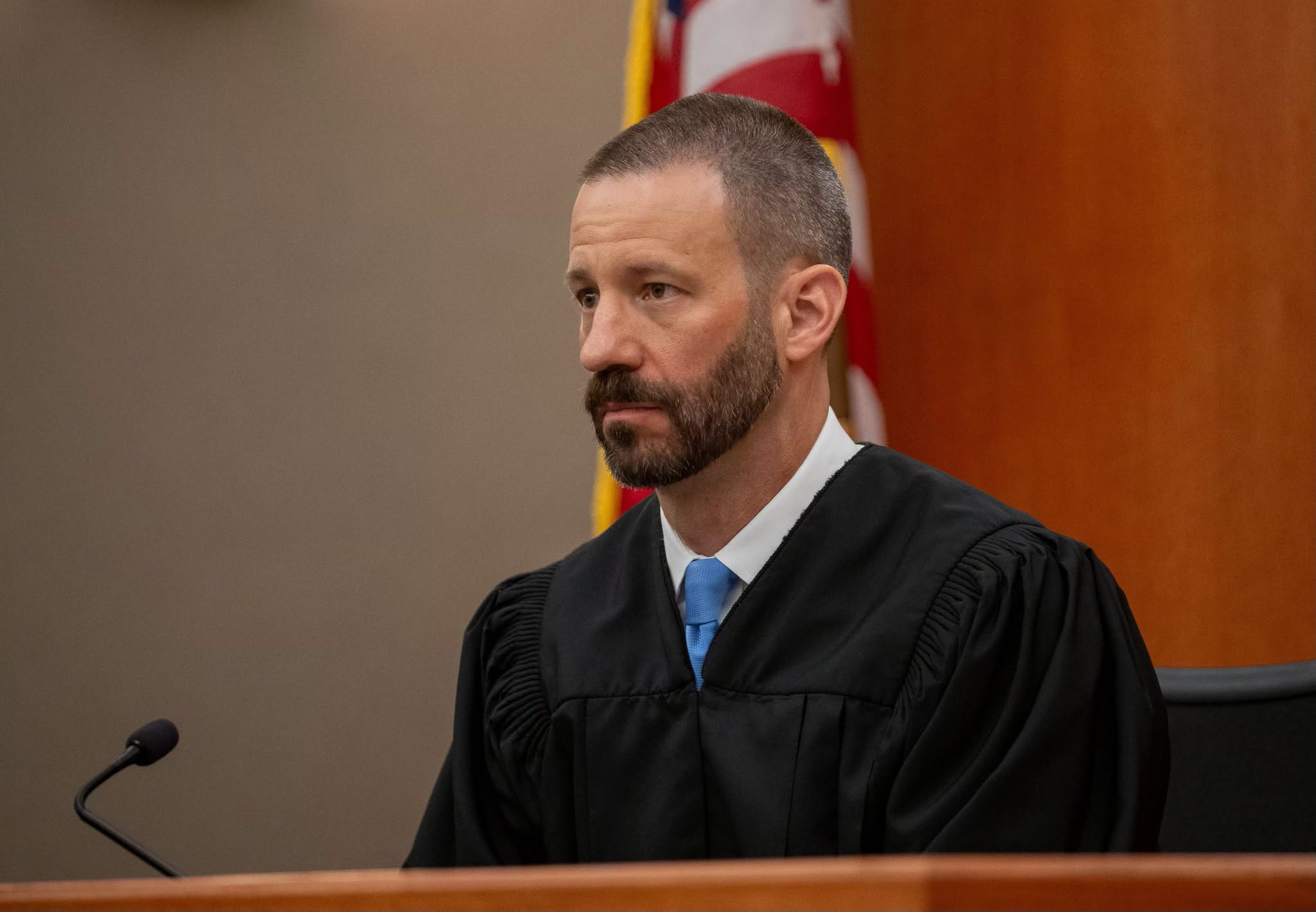
The criminal case of Kouri Richins—the Utah woman accused of poisoning her husband with fentanyl and subsequently writing a children’s book about grief—has taken another dramatic turn. According to the latest reports from Fox 13, Judge Richard Mrazik, the presiding judge in the recent proceedings, has officially recused himself from the case. This decision comes immediately after Richins’ defense team filed a 14-page motion for a new trial, accusing the judge of demonstrating an extreme bias that deprived the defendant of her right to a fair trial.
The 14-Page Motion and Hard-Hitting Allegations
In their latest legal filing, Kouri Richins’ defense attorneys did not hold back in directly criticizing Judge Richard Mrazik’s conduct during the trial. The motion firmly asserts that Richins is fully entitled to a new trial due to a series of systemic errors by the court, culminating in a stark “lack of neutrality” from the bench.
The defense argues that Judge Mrazik’s “clear demonstration” of bias in favor of state prosecutors directly violated Richins’ constitutional right to a fair and objective trial. According to her attorneys, justice cannot be properly served when the arbiter of the courtroom aligns themselves so heavily with one side.
A “Condescending” Attitude and Active Support for the Prosecution
One of the most notable highlights in the 14-page motion is the detailed description of Judge Mrazik’s demeanor toward the parties in court. Richins’ legal team alleges that the judge repeatedly adopted a “disparaging, demeaning, and condescending” tone when addressing the defense.
Beyond an arrogant demeanor, Judge Mrazik is also accused of actively intervening in the litigation process to hand the prosecution a distinct advantage. The motion states:
“The judge would also reframe arguments in a way to help the prosecution. He was demeaning and condescending to defense counsel and, in contrast, was friendly to the prosecution, often helping them with both their objections and the framing of arguments.”
This asymmetric treatment, according to the attorneys, fostered a toxic atmosphere in the courtroom—one where the defendant was forced to fight not only the investigators’ allegations but also the deep-seated prejudices of the judge steering the trial.

Contempt Over “Bad Acts” Evidence and Past Financial Crimes
In addition to criticizing the judge’s behavior, Richins’ motion targets another significant legal error concerning the admissibility of evidence. The defense contends that the prosecution repeatedly relied on prior alleged crimes, wrongs, or bad acts to poison the jury’s perception of the defendant.
Specifically, the court permitted the introduction of extensive evidence proving Richins had committed wide-ranging financial crimes over a period of numerous years. The defense argues that this admission resulted in “substantial, undue prejudice,” misleading the jury into viewing her as a career criminal rather than focusing strictly on whether the State proved she poisoned her husband. Utilizing past bad acts to imply current guilt remains a cardinal sin in criminal procedure unless it meets highly stringent legal exceptions.
Judge Richard Mrazik’s Recusal: Strategic Move or Admission of Guilt?
Shortly after this explosive motion was made public, Judge Richard Mrazik made the decision to recuse himself from all future legal proceedings involving Kouri Richins. This move instantly captured the attention of the public and legal experts alike.
While a judge’s self-recusal does not inherently equal an admission of the bias allegations, it is deemed a necessary step to protect the integrity of the judicial system within the high-stakes context of a high-profile murder trial. Had Judge Mrazik remained, any subsequent rulings would have been perpetually clouded by doubts over objectivity.
The Broader Context of the “Grief Author Murder Case”
To understand why this case continues to dominate international headlines, one must look back at the bizarre sequence of events that led to Kouri Richins’ arrest.
In March 2022, Eric Richins, Kouri’s husband, was found dead in their Kamas, Utah home. An autopsy later revealed that Eric died from a fentanyl overdose, with five times the lethal dosage inside his system, ingested orally.
Remarkably, just months after his death, Kouri Richins published a children’s picture book titled “Are You with Me?”. The book follows a deceased father comforting his young child from heaven and was widely promoted by Kouri as a tool to help her children cope with the loss of their father. This book, combined with her public persona as a grieving widow on television segments, provided a perfect cover—until investigators uncovered a trail of illicit fentanyl purchases made by Kouri prior to her husband’s death, alongside fierce, ongoing financial disputes between the couple.
What Lies Ahead for the Kouri Richins Case?
With Judge Mrazik stepping down, the case will be reassigned to a new judge. This incoming judge will face the critical task of reviewing the defense’s 14-page motion to determine if Kouri Richins genuinely warrants a brand-new trial.
If the new judge sides with the defense—agreeing that the sweeping evidence of past financial crimes tainted the fairness of the initial proceedings or that the trial was fundamentally flawed—the entire complex and costly trial process will have to start over from scratch. Conversely, if the motion is denied, the defense will almost certainly carry their fight into the higher appellate courts.
The Kouri Richins case serves as a stark reminder that in the realm of criminal law, the line between guilt and justice is drawn not just by the evidence presented, but by the absolute, unwavering impartiality of those tasked with upholding the law. Future developments in this Utah courtroom will undoubtedly continue to command public attention.