The case of the 16 children imprisoned and abused for years in the small village of Hamden, Ohio, is growing increasingly complex with facts intertwining crime, manipulation, and the family’s hidden medical struggles. While public outrage has heavily focused on the father, Gary Siders Jr. (36), and the mother, Elizabeth Siders (33), the American justice system is also rigorously working to clarify the roles of the elderly couple living in the same 1,335-square-foot ($124 \text{ m}^2$) home: paternal grandfather Gary Siders Sr. (73) and paternal grandmother Christina Siders (67).
Recently, a fact-check report from the U.S. media regarding the grandfather’s health status has ignited a fierce debate. Can severe physical and cognitive decline explain “turning a blind eye” to a crime, or does it completely fail to change the criminal responsibility of those acting as grandparents?
1. Fact-Check: Did a Stroke Turn the Grandfather into a Helpless Prisoner?
According to a report from the news outlet WOWK 13 News, social media rumors suggesting that grandfather Gary Siders Sr. had previously suffered a major medical event are grounded in truth. Mr. Fletcher, the son-in-law of Gary Siders Sr., officially confirmed to the press that the family was informed Gary Sr. had suffered a severe stroke.
The aftermath of this stroke was devastating, directly destroying two of his core functions:
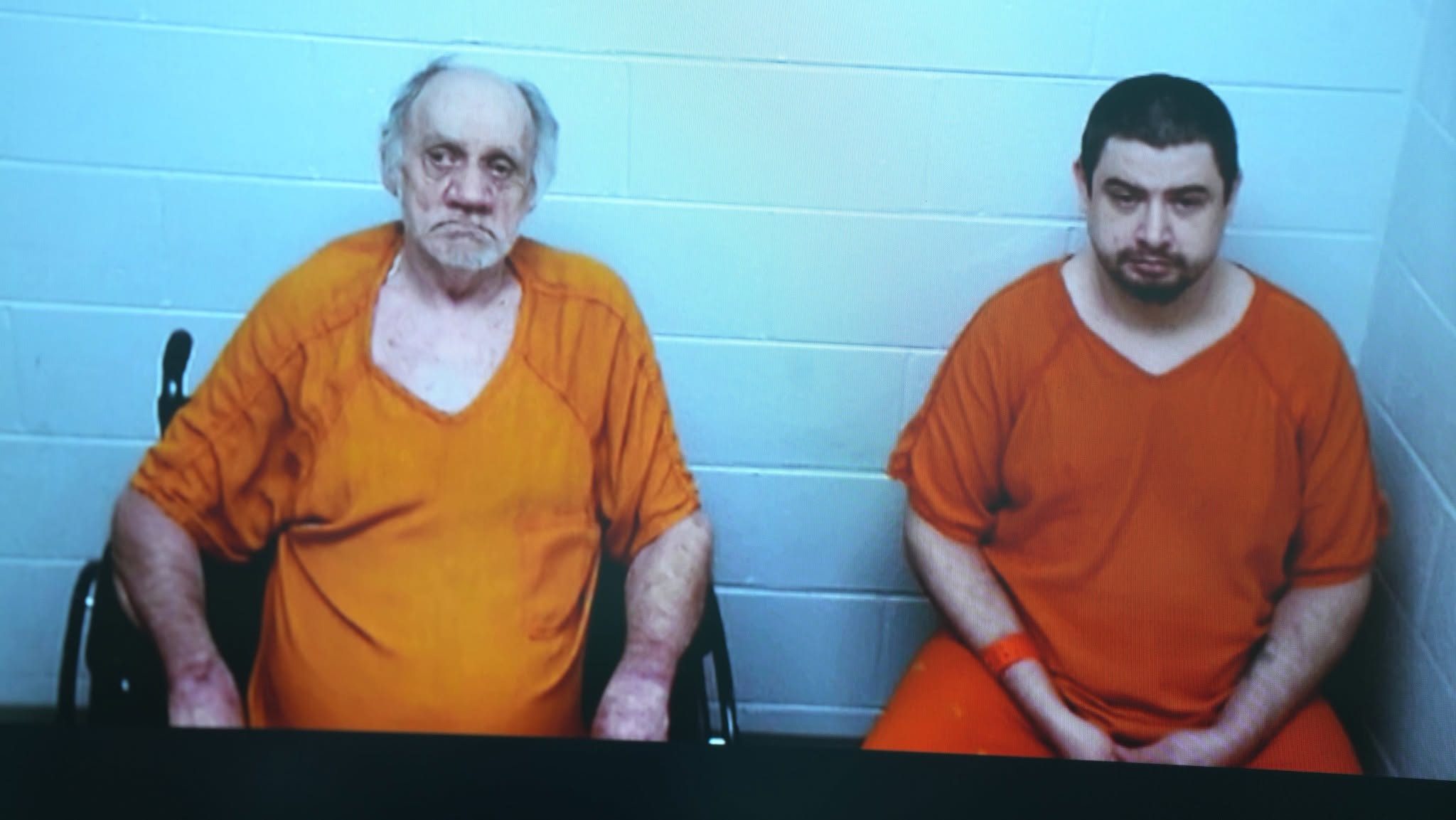
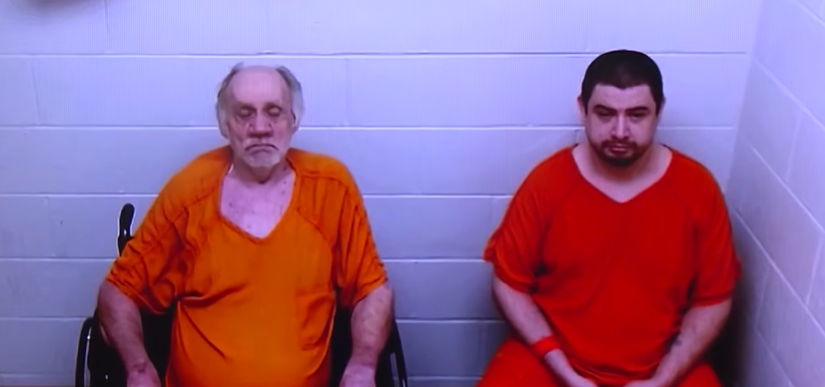
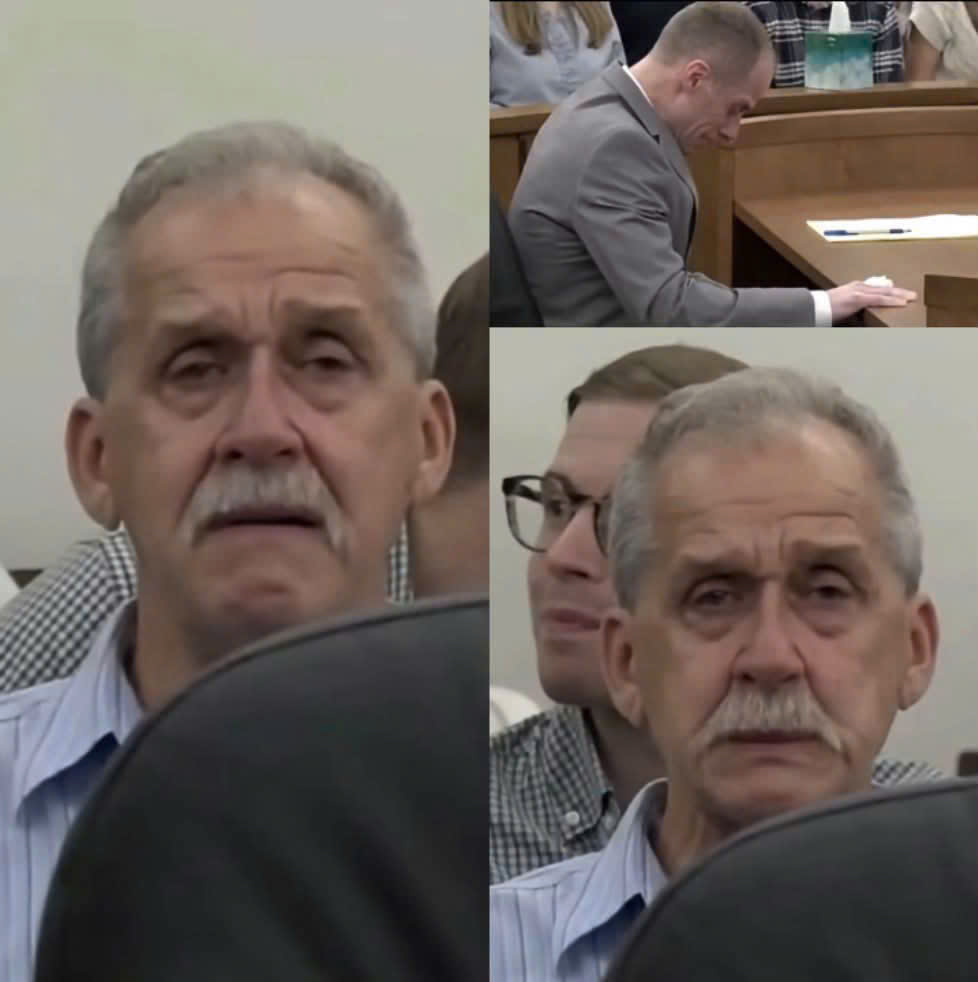
Destruction of Mobility: This event left him nearly paralyzed, losing the ability to move independently and rendering him entirely dependent on a wheelchair or the care of others. This explains why during his first arraignment via Zoom, the 73-year-old man appeared in a disabled and emaciated state.
Impairment of Cognitive Function: Even more frightening than the physical damage, the stroke left severe long-term effects on Gary Sr.’s brain.
Mr. Fletcher candidly shared with WOWK 13 News that he does not know whether Gary Sr. fully understands what is happening around him because his cognitive function was severely impacted following the stroke.
The son-in-law believes that the rapidly declining health of both Gary Sr. and his wife, Christina Siders, was a “contributing factor” that led to the horrific, trash-and-feces-ridden living conditions inside the Hamden home.
Although these statements have not yet been independently confirmed through official medical records or court documents, the fact that a named family member publicly stated this on a reputable news network has forced the public to view the case through a different lens.
2. The Fine Line Between Illness and Condoning Crime
Information regarding Gary Sr.’s stroke immediately sparked an intense debate across legal and sociological forums in the United States. The public and experts are deeply divided over a central question: Can declining health explain what investigators found, or does it change nothing regarding their responsibility?
The Humanitarian Perspective: The Tragedy of Elderly Helplessness
Many people, including old family acquaintances like niece Kimberly Caldwell, lean toward the hypothesis that the elderly couple were actually victims themselves. A 73-year-old man paralyzed after a stroke, suffering from cognitive impairment, living with a 67-year-old wife showing signs of dementia, clearly lacked the physical strength and mental clarity to stand up to his adult son, Gary Jr. (36), who was in the prime of his life.
In a suffocating, trash-filled space, Gary Sr. may have been isolated within his own wheelchair. If a person cannot use the restroom on their own, cannot get food, and has their awareness clouded by the fog of illness, expecting him to stand up, rescue 16 grandchildren, or call the police is virtually impossible. From this angle, declining health not only explains the filthy environment of the home but also turns the elderly couple into silent prisoners, manipulated by their toxic son.
The Legal Perspective: An Inescapable Responsibility
Conversely, prosecutors and a large portion of the neutral public maintain a firm stance. Ohio law is very explicit about the duty of adults cohabiting in a home to protect minors from danger.
Individual
Alleged Health Status
Core Legal Responsibility
Gary Siders Sr. (73)
Suffered a stroke, lost mobility, cognitive damage.
Must prove a total lack of civil capacity at the time the crimes took place.
Christina Siders (67)
Declining health, suspected dementia.
Co-defendant if evaluations prove a minimum level of awareness remained.
Legal analysts argue that while Gary Sr.’s stroke may have occurred recently, the tragedy of the 16 children dragged on for 18 years. The educational and medical access of this group of children was severed over a decade ago as the family constantly relocated to evade authorities. Was Gary Sr. sick for the entirety of the last 18 years, or did he only fall ill in recent years? If he was perfectly healthy before his stroke and still condoned Gary Jr. locking the children in the basement, he cannot use his current illness to whitewash his past sins.
3. The Nature of the Crime Scene: “Neglect Due to Illness” or “The Embodiment of Evil”?
To determine whether declining health was truly the root cause, investigators must examine the nature of the evidence gathered at the scene. Ohio Attorney General Andy Wilson previously asserted that the home was “the embodiment of evil” rather than simply a messy house that elderly residents couldn’t keep up with.
If caused by illness: The house would accumulate ordinary household trash, dirty clothes, or unwashed dishes because the elderly were helpless to clean up (senile squalor).
The actual reality of the case: The children were locked in isolation inside a small room, with many growing up completely non-verbal, communicating only through wild, primitive sounds. The oldest 18-year-old child suffered from developmental disabilities and could not write their own name. There were signs of severe domestic violence and a parallel investigation into child abuse.
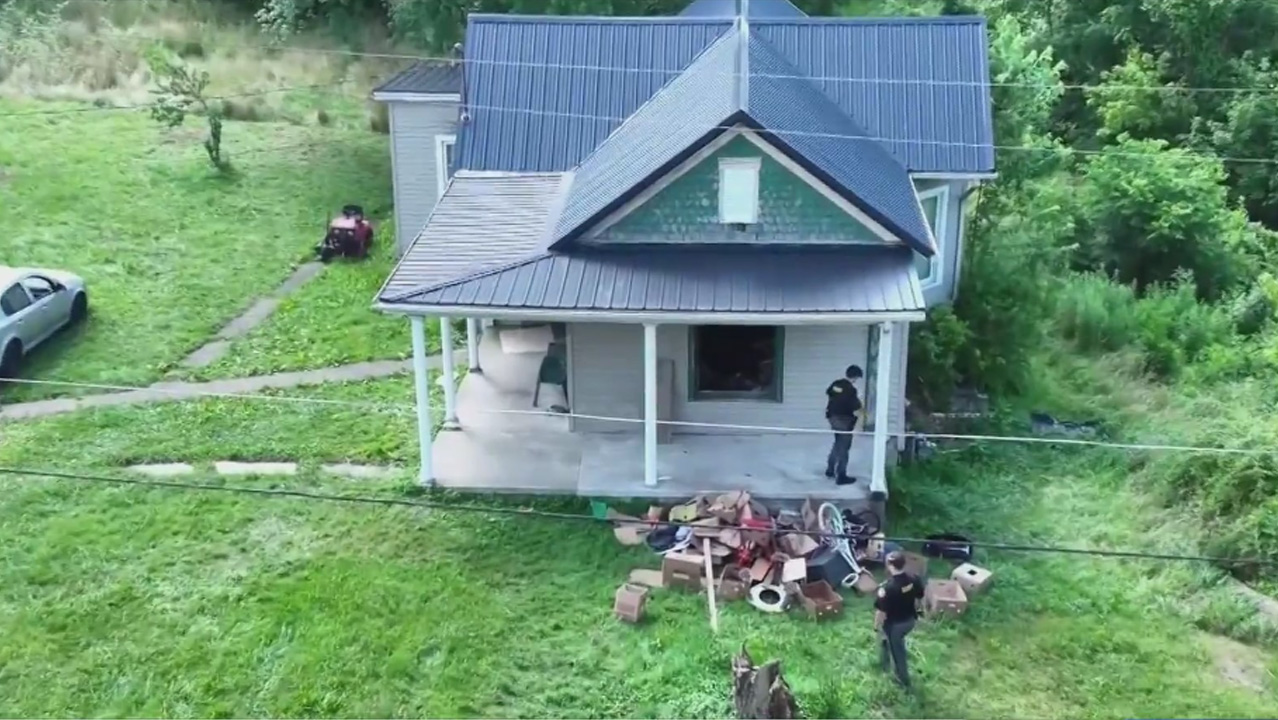
The systematic isolation, the deliberate relocation to avoid creating medical records, and Gary Jr.’s prior arrest for public indecent exposure indicate a calculated chain of criminal behavior with an extreme intent to control. The declining health of the paternal grandparents may have accelerated the deterioration of the living environment—causing trash to stack so high that police had to wear hazmat masks—but it was not the root cause that engineered the cruelty inflicted upon the 16 children.
4. The Critical Importance of Separating Fact from Speculation
As this evolving case continues to be investigated, the American media’s fact-check report issues an important reminder: It is critical to separate confirmed facts from family statements and speculation.
The statement made by the son-in-law, Fletcher, regarding Gary Sr.’s stroke serves as highly valuable reference data, but it carries the nature of a defense from a relative aimed at easing public fury directed at the grandparents. Until the Vinton County court releases independent medical evaluation results and the medical histories are unsealed, drawing any definitive conclusions at this time is premature.
The public has every right to feel pity for a disabled old man in a wheelchair, but justice demands a clear head. The 16 children—the true victims who endured irreparable physical and mental trauma—remain the subjects deserving of ultimate protection.
5. Conclusion: A Costly Lesson on Indifference
No matter how the court ultimately rules regarding grandfather Gary Siders Sr.’s cognitive capacity, this case leaves behind a painful lesson. If the son-in-law’s hypothesis is true—that the elderly couple’s declining health contributed to creating the Hamden hell—it further exposes the chilling isolation of this family from the outside world. In a household of 20 people, where an elderly man was paralyzed by a stroke, the youth sank deep into deviant crimes, and 16 children vanished from society, not a single neighbor, medical worker, or welfare agency noticed for years.
The truth is gradually being brought to light through legal processes. The $300,000 bond for each adult underscores the severe gravity of the matter. A stroke may be a personal tragedy for Gary Sr., but it can never serve as a perfect shield to cover up a humanitarian tragedy that inflicted nearly two decades of suffering on 16 innocent souls.