THE MISSED RED FLAGS AND THE SHOCKING TRUTH ABOUT 16 CHILDREN LIVING “WORSE THAN LIVESTOCK”
The “house of horrors” case in Vinton County, Ohio, continues to unearth deep terrors within the American public as harrowing new details about the lives of the 16 captive children are brought to light. Discovered on June 30 by the Vinton County Sheriff’s Office during an unrelated search warrant, the 16 children—ranging in age from 18 months to 18 years old—were rescued from living conditions that authorities described as “worse than livestock” and akin to the “third world.”
Against the backdrop of the four family members—parents and grandparents Gary Siders Jr. (36), Elizabeth Siders (33), Gary Siders Sr. (73), and Christina Siders (77)—facing 16 counts of second-degree felony child endangerment, a crucial witness has stepped forward. Ariel Gutierrez, a store clerk at the local Dollar General, appeared on the Criminally Obsessed YouTube channel to share the glaring red flags that she and the community unwittingly missed for nearly two years.
1. A Crumbling Scene: 13 Square Meters for 16 Young Lives and Allegations of Intrafamily Abuse
According to investigative files, investigators were left frozen upon witnessing the space where the victims were confined. All 16 children were locked inside a crumbling, cramped 12-by-12-foot room (around 13 $m^2$). The room was filled with feces and accumulated trash, lacking any basic living necessities. Medical experts confirmed that many of these children had suffered “serious physical harm” due to prolonged malnutrition, lack of sunlight, and severe abuse.

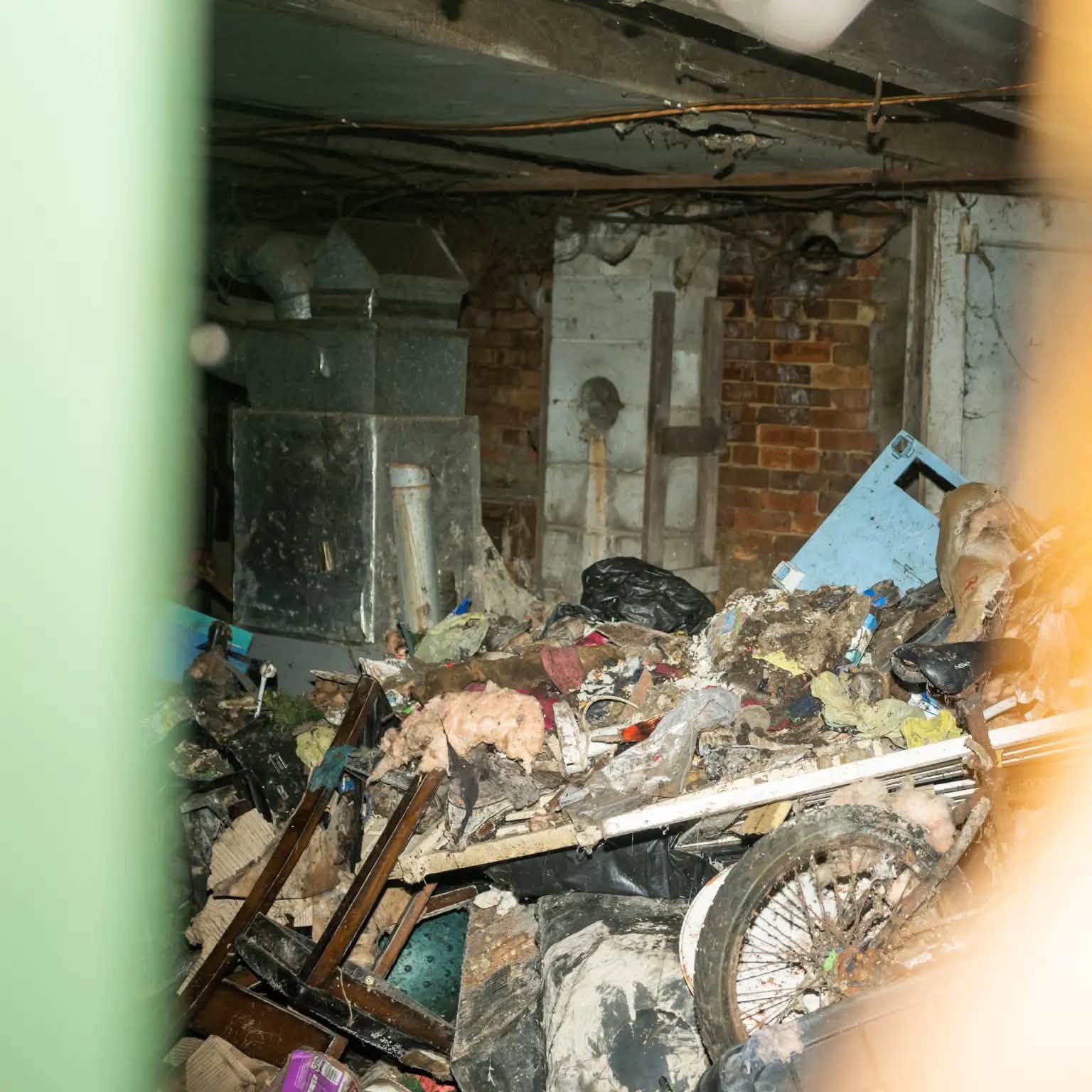
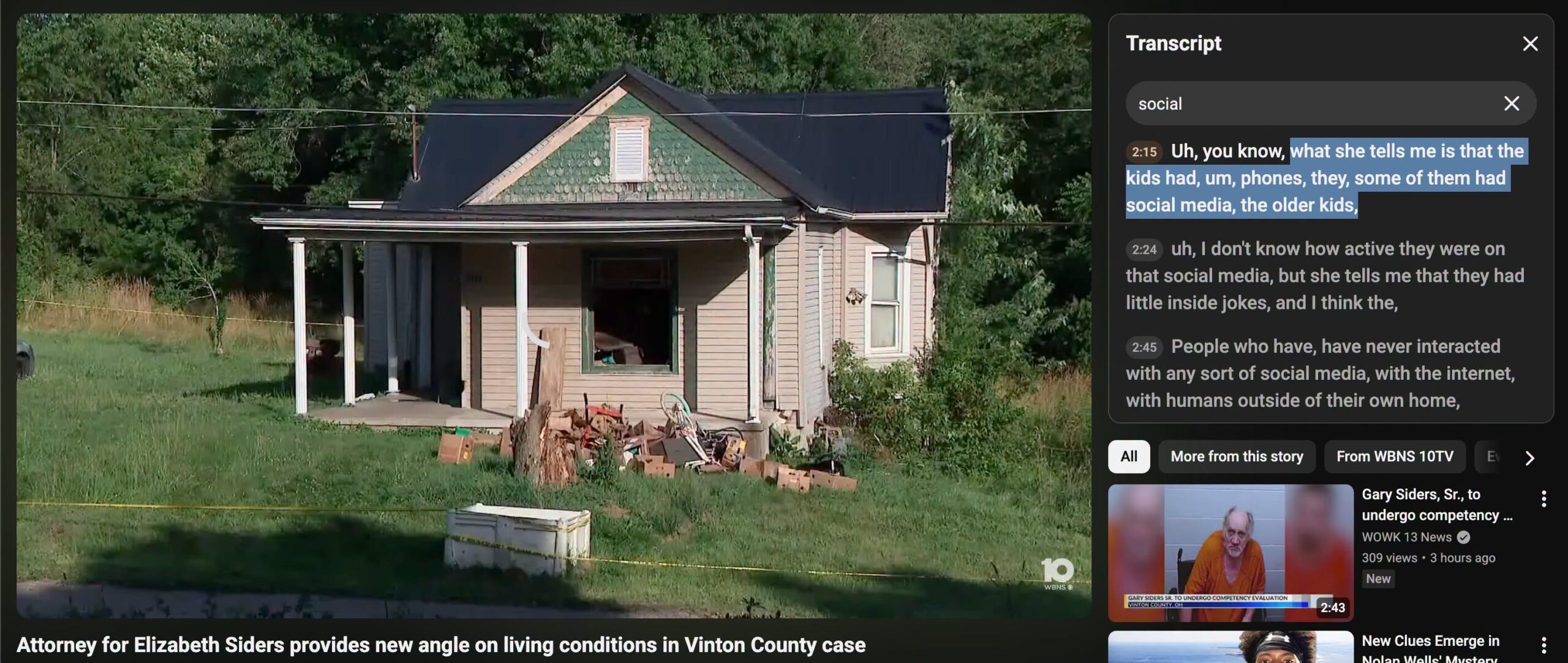
Outside the five-bedroom, one-bathroom house lay a literal war zone. Newly released images obtained by The New York Post show:
- The Basement: Almost completely overtaken by junk and garbage, with only a dining chair and an old bicycle wheel visible among the towering piles of trash.
- The Surrounding Property: Overflowing with garbage bags and debris. The only hints that children lived there were a broken bicycle and a discarded children’s book titled “Jonathan James and the Whatif Monster”.
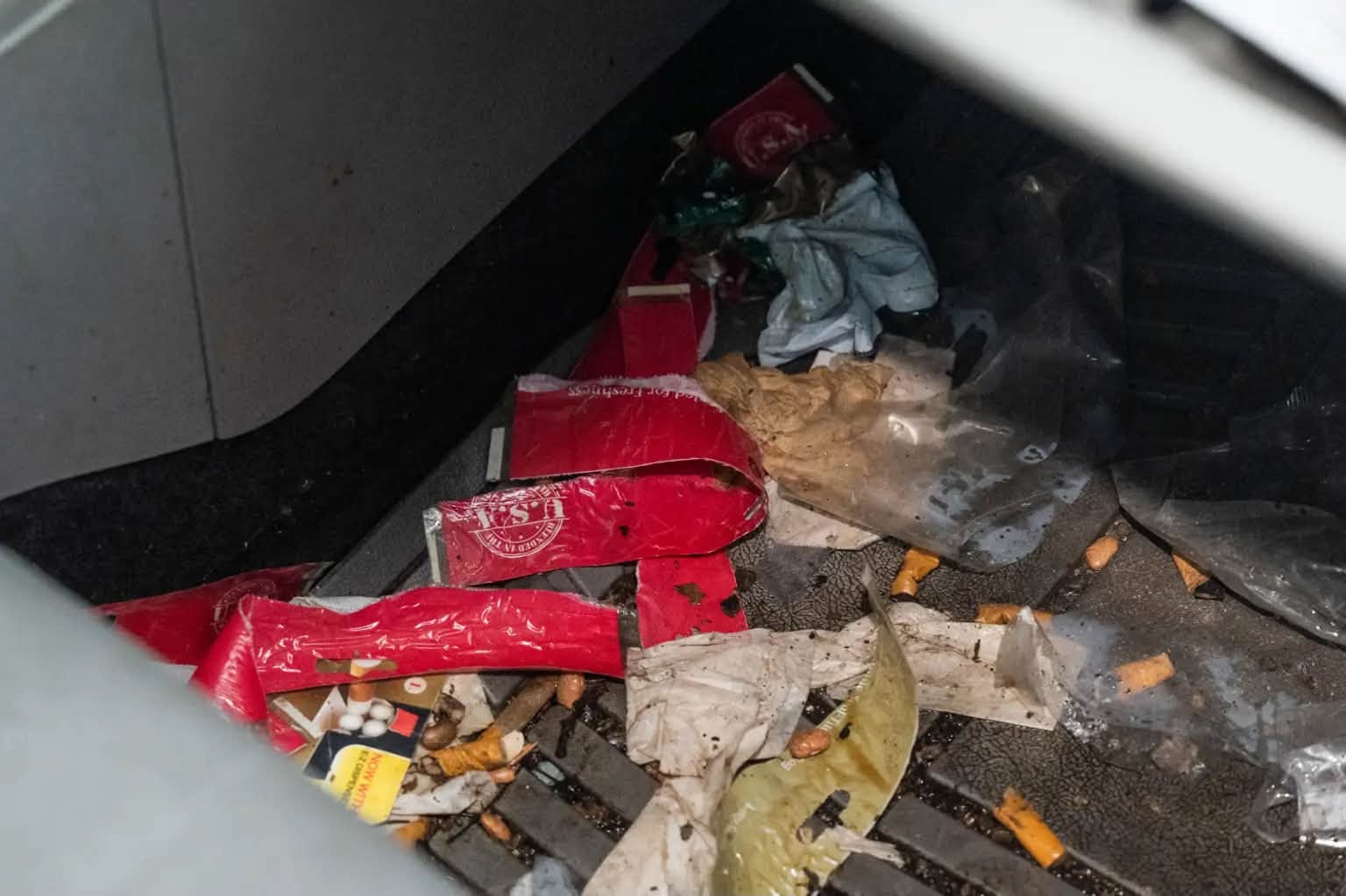
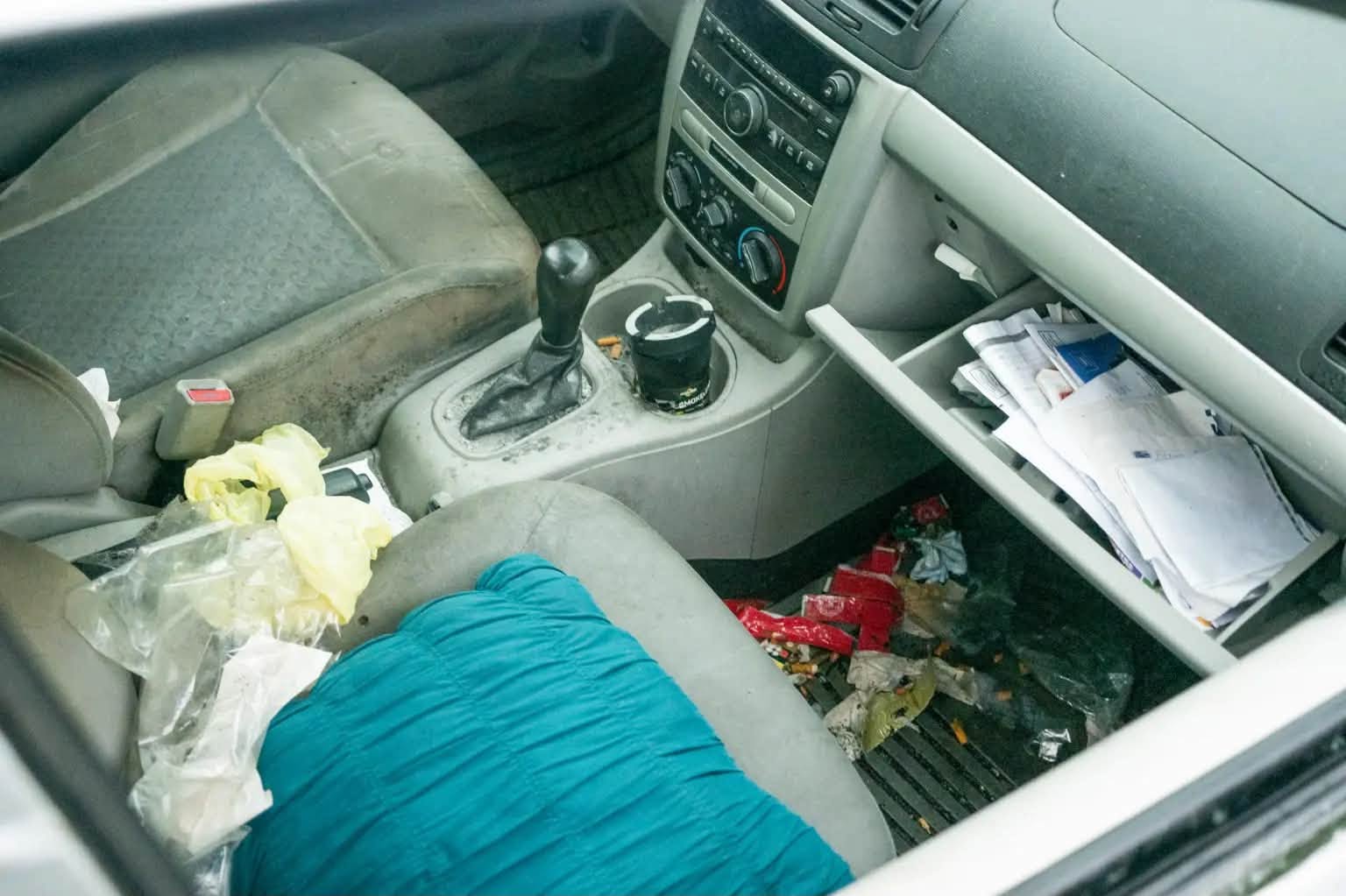
- Vehicles: Two neglected cars parked outside were filled with cigarette butts, food wrappers, and other trash.
More disturbingly, investigators stated that the crime was an “intrafamily” case. Biological evidence and initial statements suggest that some of the children in the house may have been the result of incestuous relations within the family.
2. The Clerk’s Account: Bizarre Late-Night Transactions
Ariel Gutierrez, a mom-of-six who worked for almost two years at the Dollar General just a few blocks away, claimed that “nobody knew” the truth behind the Siders family’s facade. Throughout two years of interactions, the couple—Gary Jr. and Elizabeth—always maintained a fixed shopping schedule: they consistently visited late at night, just before closing.

Looking back, Ariel realized their purchases hid massive anomalies that she had previously attributed to poverty:
“They would come in and buy these two main items. It was a jug of water and oil, but it wasn’t a big bottle; it was the little kind. Occasionally there would be sugar, other items, and once in a blue moon, not all the time, it would be diapers, but I didn’t think anything of it.”
The family’s deprivation was so blatant that store employees, including Ariel, used their own money to buy clean clothes and hygiene products to gift to them. However, whenever they returned, Ariel noticed that the items appeared unused. She also questioned their nutrition, given their consistent purchases of oil and sugar in large quantities: “How did those purchases keep them nourished?”
3. Toxic Control and “Ghost” Children Mimicking Their Mother
One of the reasons Ariel and her colleagues had no idea about the existence of the 16 children was that the couple rarely brought them out. Over the span of two years, Ariel only saw the children with them exactly twice.
“Honestly, I thought they were visiting because I never saw them with kids. So when I saw them twice, I didn’t know they had 16 kids, period,” Ariel admitted.
On those rare occasions, the children displayed clear behavioral and physical abnormalities:
- Appearance: They looked pale and devoid of life, were extremely thin, and kept their hair draped over their heads and faces in an apparent attempt to hide.
- Mimicking Behavior: The kids completely mimicked their mother, Elizabeth: silent, timid, and fearful. They avoided eye contact with strangers, and when they wanted an item, they communicated mostly through pointing or nodding.
The control within this household was not only weaponized against the children but also heavily weighed upon the mother, Elizabeth Siders. Ariel recalled that Gary Siders Jr. constantly exhibited extreme controlling behavior toward his wife. He frequently guided Elizabeth by the elbow around the store, directing her every move and leaving her no space to freely communicate.
Conversely, the grandparents, Gary Sr. and Christina, always appeared clean, neat, and “separate” from the disheveled appearance of Elizabeth and Gary Jr. This stark contrast led store employees to believe they weren’t connected, unwittingly masking the elderly couple’s complicity in the neglect.
4. The Internal Struggle and Lessons for the Future
Ariel Gutierrez admitted that at the time, she did not feel direct fear from Elizabeth, but there was an underlying sense of tension that speaking up or intervening would cause major problems.
Nevertheless, since the case was blown wide open, the mother-of-six expressed deep internal conflict, wondering how neighbors living right next door failed to notice the family’s odd behavior and the foul stench radiating from the property for all those years.
| Observer | Missed Red Flags | Reason for Not Reporting At the Time |
| Store Clerk | Purchases limited to oil/water; emaciated, fearful children; husband controlling wife by the elbow. | Assumed the family was merely struggling financially; believed the children were just visiting. |
| Surrounding Neighbors | Trash-covered yard; potent, foul odor; children never seen outside during the day. | Lack of connection; viewed it as private property and chose not to interfere in family matters. |
Ariel decided to come forward and share her story through the media with a singular purpose: she wants the 16 children to know that, however belatedly, someone had truly seen them and cared about them. She deeply wishes she had possessed the sharpness to speak out sooner instead of staying silent in the face of these anomalies.
This painful experience has entirely shifted Ariel’s awareness. She asserted that from now on, whether in her daily life or at work, if her maternal instinct and intuition signal that something is wrong with a child, she will take immediate action and notify authorities, refusing to let another “house of horrors” hide in the dark.