WHEN JUSTICE OUTSTRIPS THE LOCAL BUDGET: STATE OF OHIO APPROVES EMERGENCY $1 MILLION TO ASSIST 16 “FERAL” CHILDREN RESCUED FROM “HOUSE OF HORRORS”
The criminal case involving 16 children abused, neglected, and left living in an “almost feral” state inside a small home in the rural village of Hamden, Vinton County, Ohio, has pushed the American social welfare and judicial systems into an unprecedented crisis. Moving far beyond the barbaric details of an intrafamily crime, the situation has rapidly evolved into a severe financial emergency, threatening to completely collapse the government infrastructure of one of Ohio’s poorest counties.
In response to this dire financial strain, a state legislative panel is expected on Monday to approve an emergency funding request of $1 million from the Ohio Department of Children and Youth. This additional state cash is earmarked for the medical stabilization, long-term foster placement, and support of the victims, even as prosecutors aggressively build a case to put their parents and grandparents permanently behind bars.
1. A Double Crisis: Custody Numbers Skyrocket Alongside Vinton County’s Looming Bankruptcy
Vinton County holds the distinction of being the least populated (roughly 12,600 residents) and possessing the smallest budget among all 88 counties in Ohio. The mass rescue of 16 siblings—ranging in age from 18 months to 18 years old—from the “house of horrors” on June 30 immediately more than doubled the total number of children held in temporary custody within the county overnight. This sudden influx presents an overwhelming challenge to local public resources and infrastructure.
According to data compiled by the Ohio Department of Children and Youth, the foster placement, specialized medical treatment, and daily care for the Siders siblings will run between $150 and $250 per child daily.
- Total Annual Expenditure: Estimated to settle at roughly $850,000 a year.
- Local Financial Reality: This annual cost stands at more than three times the total amount generated by Vinton County’s specific levy, which must be split between children’s protective services and senior services.
Without this swift financial intervention from the state government, Vinton County simply lacks the public funds to maintain the children’s welfare, facing an outright collapse of its local social safety net.

2. A Rare Judicial Move: Releasing a Defendant to Protect Local Taxpayers
The brutal economic constraints of the case have already driven a highly unusual legal decision regarding the children’s grandfather, defendant Gary Siders Sr., 73. Initially, he was booked into the county jail alongside his wife Christina Sanders, 67; his son Gary Siders Jr., 36; and his daughter-in-law Elizabeth Siders, 33, each held on a steep $300,000 cash bond.
However, while held in custody, Siders Sr. suffered a fall, making it apparent that he had a severe underlying medical condition requiring long-term specialized care at an outside hospital. Under Ohio law, if an inmate under government custody requires outside hospitalization, the county budget is forced to foot 100% of the medical bill.
Vinton County Prosecutor William Archer Jr. spoke candidly regarding the reality of the situation:
“Based on the information the county was provided, his medical care could potentially bankrupt Vinton County. We were not going to put that burden also on our local taxpayers.”
Faced with this severe financial liability, the court modified the 73-year-old grandfather’s bond structure to a recognizance bond, releasing him on his own recognizance so he could seek medical care as a free citizen. By doing so, Vinton County successfully avoided the astronomical medical costs, allowing the government to pivot its financial focus entirely toward healing the 16 innocent children.
3. A Horrific Scene and a 68-Count Felony Indictment
The discovery of this shocking crime came about by pure coincidence. On June 30, local officers arrived at the Hamden home to execute a search warrant linked to an entirely separate, unrelated criminal investigation. Upon entering, they pulled back the curtain on one of the most sickening domestic abuses in state history.
All 16 victims were discovered crammed inside a crumbling 12-by-12-foot room (around 13 $m^2$). The room was completely littered with feces and garbage, devoid of any beds or basic amenities. Following the rescue, the siblings were rushed to hospitals across Ohio, some in serious physical condition.
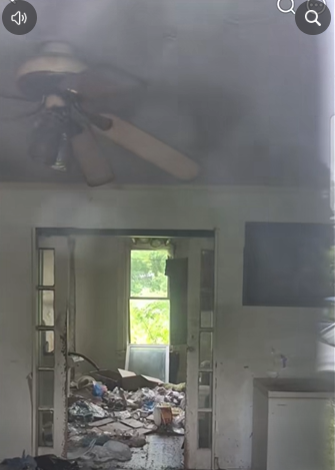
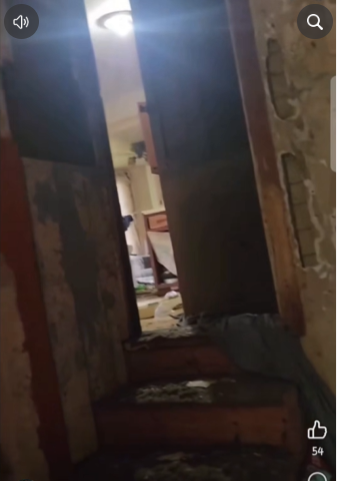
Authorities revealed that due to years of severe isolation:
- None of the children had ever been enrolled in school or allowed to interact with the outside world.
- Their cognitive abilities and communication skills were severely stunted. Some could not speak at all, while others could barely communicate through basic gestures or murmurs, leading officials to describe them as “almost feral.”
Collectively, the four adult Siders family members are facing 68 felony child endangerment charges. Prosecutors are pursuing maximum sentencing options, aiming to keep the abusers permanently behind bars without the possibility of parole.
4. A Trust Fund of Compassion and Rebuilding from the Ruin
The $1 million injection from the state of Ohio serves as a vital lifeline for Vinton County. This funding will not only secure the children’s physical safety, intensive psychological therapy, and ongoing care but will also absorb ancillary expenses associated with the case, such as accumulating court costs and police overtime.
Beyond government aid, an immense wave of financial contributions and material donations has poured in from citizens across the United States as news of the case spread. The South Central Ohio Job & Family Service announced via Facebook that they are currently consulting with legal counsel to establish an independent trust fund specifically for the Siders siblings. This trust ensures that all public donations will be managed transparently and utilized strictly for the children’s long-term education, nurturing, and ultimate reintegration into society.
5. Conclusion
The rescue of the 16 children in Ohio stands as a heartbreaking testament to the dark depths of domestic neglect, but it also reflects the agility of a government framework dealing with crisis management. The state’s emergency capital infusion and the outpouring of community solidarity reinforce a powerful baseline: even when local budgets are strained to their absolute limits, the safety, rehabilitation, and future of innocent children remain an absolute priority protected by society.