Kouri Richins’ Best Friend of 20 Years Exposes the American ‘Black Widow’: The Horrifying Mask That Slipped Just Two Weeks After Eric’s Death—and the Chilling Request for ‘Michael Jackson Stuff
The tragedy of Eric Richins’ death—and the subsequent arrest of his wife, Kouri Richins—has become a hallmark of modern true crime. What began as a narrative of a grieving mother writing a children’s book to help her sons cope with loss quickly spiraled into a chilling tale of alleged financial desperation and cold-blooded murder. While the headlines often focus on the lethal dose of fentanyl found in Eric’s system, the most haunting insights often come from those who stood closest to the accused. In the recent 20/20 episode titled “Murder She Wrote,” viewers were given a front-row seat to the emotional disintegration of a twenty-year friendship between Kouri Richins and her childhood best friend, Ali Staking. This relationship serves as a microcosm for the entire case: a story of long-term trust meeting an impossible, dark reality.
Ali Staking and Kouri Richins shared a history that stretched back to their middle school years in Utah. For two decades, they were more than just friends; they were fixtures in each other’s lives. During the 20/20 special, Staking recalled their youth with a mix of nostalgia and newfound clarity, describing a teenage Kouri who was social, driven, and always looking for the next party. At the time, it seemed like typical adolescent behavior—a high-energy girl who wanted to be where the action was. There was no indication that this same drive would later be characterized by prosecutors as a lethal obsession with wealth and status. For twenty years, Staking believed she knew the woman behind the mask, but the aftermath of Eric’s death on March 4, 2022, forced a radical and painful reassessment of that bond.

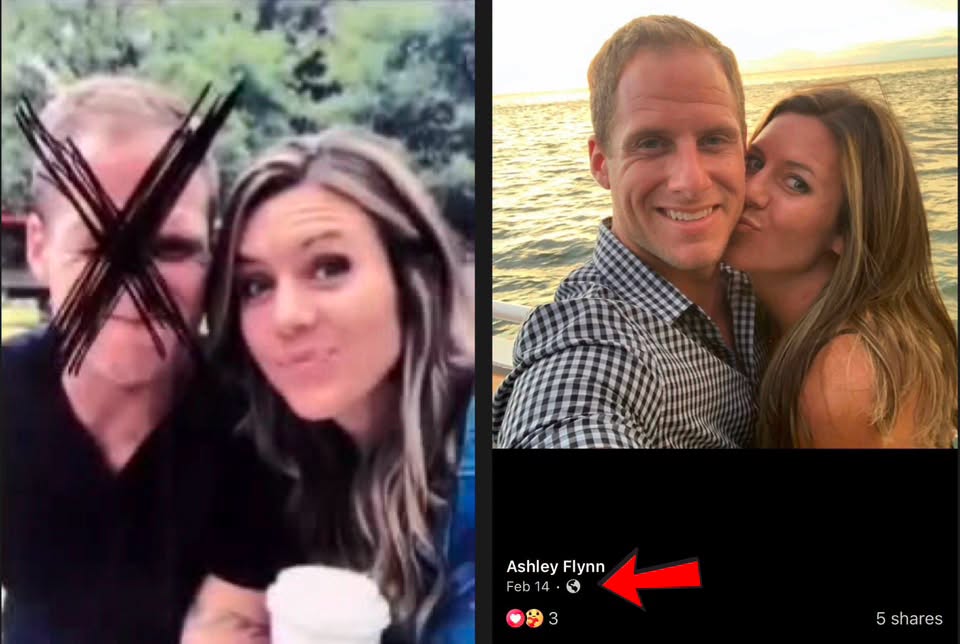
The immediate weeks following Eric’s passing were a turning point for Staking’s perception of her friend. In a detail that many found chilling, Staking noted how quickly Kouri shed the outward signs of her marriage. Within a mere fortnight of Eric’s death, the wedding ring was gone. Even more jarring was the physical purging of Eric’s existence from their shared home. Kouri reportedly began removing his belongings and clearing out his space with a clinical efficiency that felt deeply “off” to those who knew how much Eric had meant to the family. To Staking, this wasn’t the behavior of a woman paralyzed by grief; it was the behavior of someone moving on with a pre-planned urgency. This realization—that the person she had known since the sixth grade might be a stranger—is perhaps the most relatable horror of the Richins case.
The 20/20 coverage didn’t just stop at Staking’s testimony; it painted a broader picture of a community divided by disbelief and mounting evidence. Early on, many of Kouri’s friends and extended family members were staunchly in her corner. The prevailing sentiment was one of logical impossibility: why would a devoted mother of three boys kill their father? Eric was a beloved figure, a successful businessman, and by all accounts, a present parent. The idea that Kouri would intentionally orphaning her children of their father seemed to fly in the face of everything the community believed about her. Yet, as the investigation deepened, the focus shifted from Kouri the mother to Kouri the businesswoman, and the image of the “Black Widow” began to take shape through the lens of financial records.
The documentary highlighted a trail of “absolute greed” that extended into Kouri’s professional life as a real estate agent. Clients and associates came forward with stories of being “burned” by Kouri’s dealings. Prosecutors allege that the motive for the murder was almost entirely financial. Kouri was reportedly deep in debt, with millions of dollars tied up in a mansion she had purchased against Eric’s wishes—a property she hoped to flip for a massive profit. When Eric discovered the extent of their financial instability and moved to cut her off from his estate and change his life insurance policy, the clock began to tick. The 20/20 episode meticulously tracked how Kouri allegedly procured illicit fentanyl, which was later found in Eric’s system at five times the lethal dose, served in a celebratory Moscow Mule.
One of the most poignant moments of the broadcast was watching Ali Staking react to the legal proceedings in real-time. For a best friend of two decades, the guilty verdict wasn’t just a legal outcome; it was the final death of a twenty-year identity. Staking’s journey from a loyal confidante to a witness of Kouri’s “strange” behavior mirrors the public’s fascination with the case. It challenges the viewer to wonder how well we truly know the people we love. If a best friend of twenty years can miss the signs of a burgeoning “Black Widow,” what does that say about the masks people wear in polite society? The narrative of the grieving widow who wrote Are You With Me?—a book meant to comfort her children—now stands as a testament to what prosecutors call ultimate gaslighting.
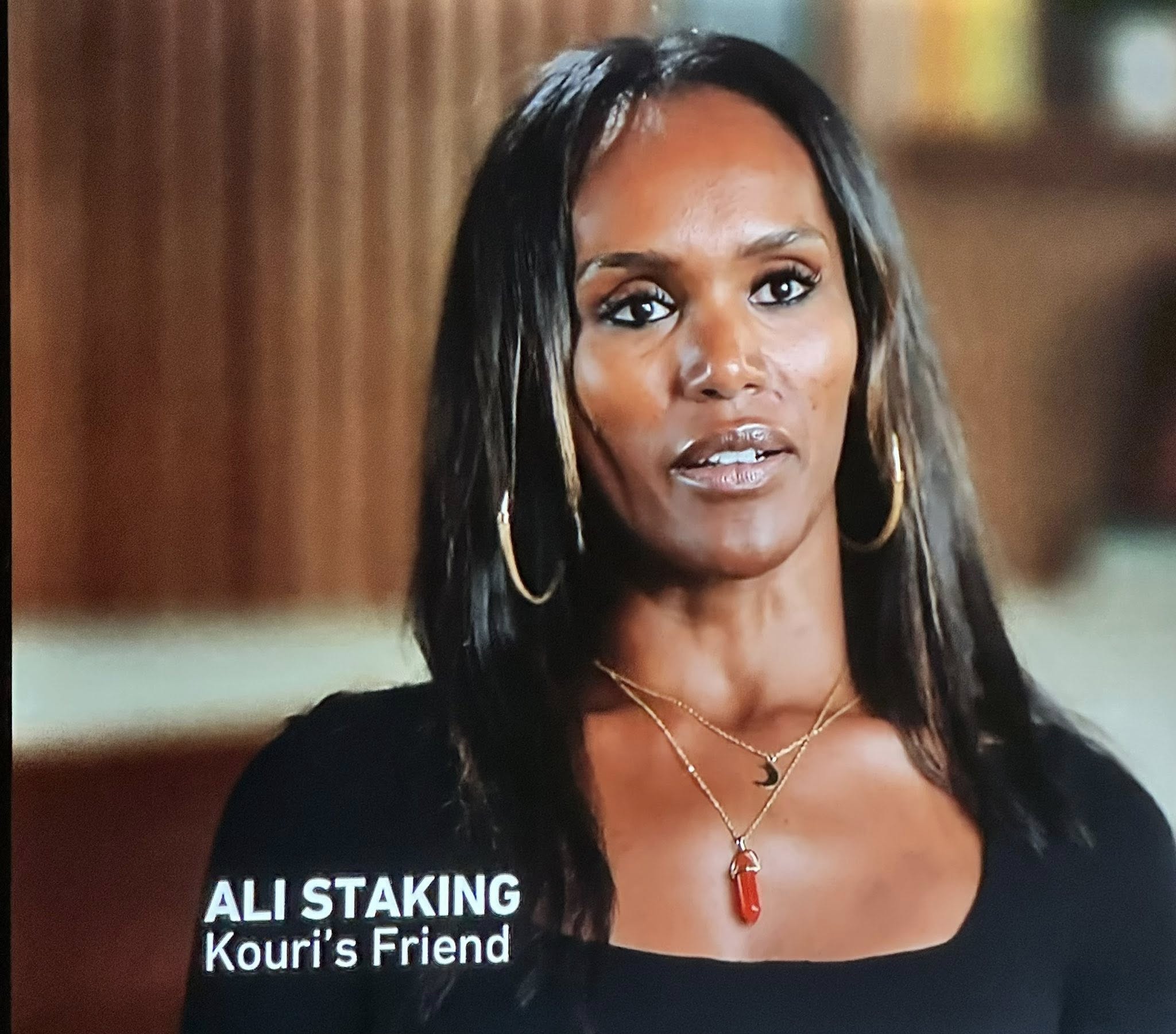
Ultimately, the story of Kouri Richins, as told through the eyes of Ali Staking and the investigative team at 20/20, is a tragedy of layers. There is the tragedy of Eric Richins, a man who allegedly died at the hands of the person he should have trusted most. There is the tragedy of the three young boys who lost their father and, subsequently, their mother to the justice system. And then there is the quieter, more psychological tragedy of friends like Staking, who are left to sift through two decades of memories, wondering which moments were real and which were part of a long-term performance. The case remains a stark reminder that sometimes, the most dangerous people are not the strangers in the dark, but the ones sitting across from us at the dinner table, smiling without their wedding rings.