Who will be held responsible for the death of Eric Fernando Gutierrez Molina?
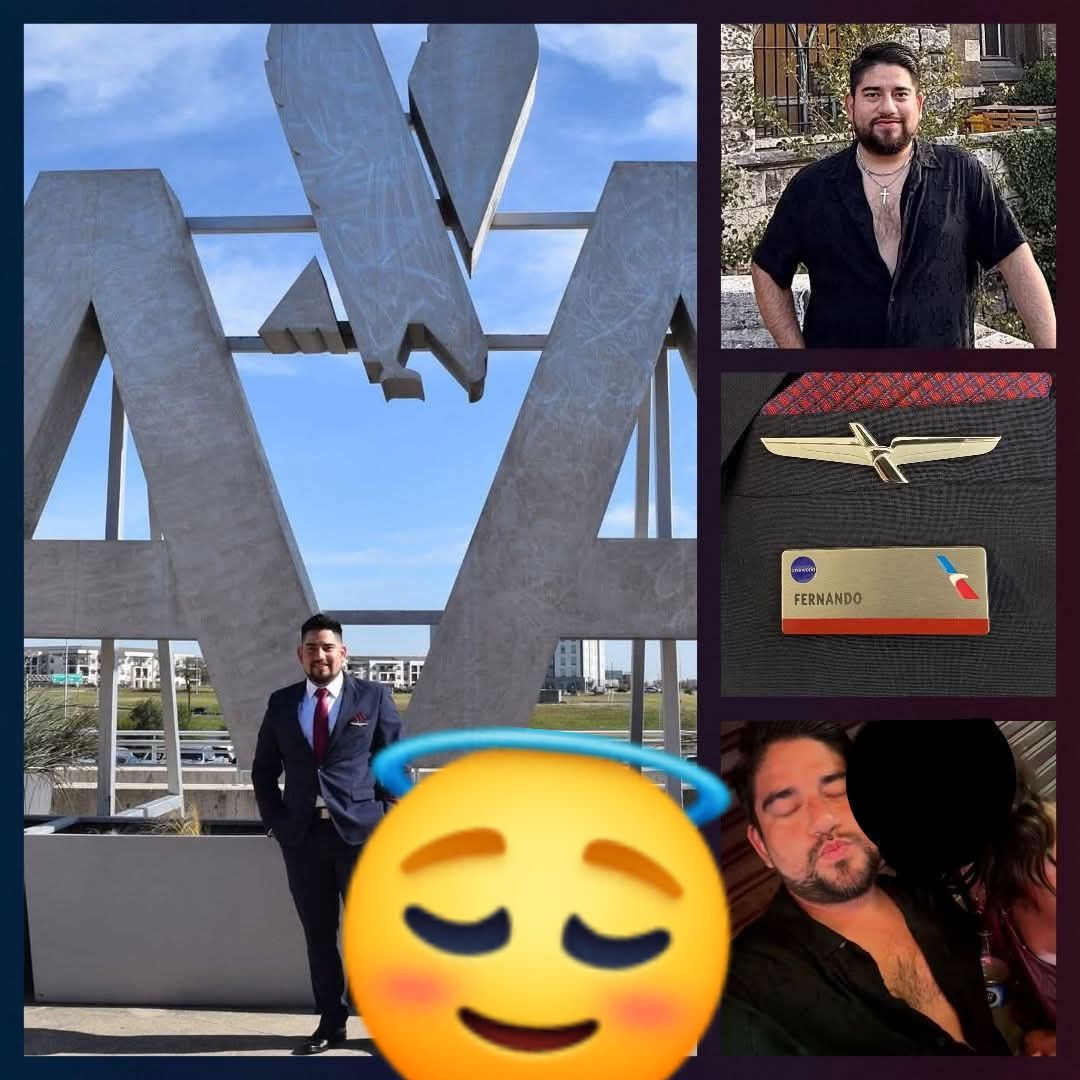
Eric Fernando Gutierrez Molina died tragically in Colombia, and while his body has been repatriated to the United States amidst infinite grief, his family and friends still have no answers regarding his death. Not a single person has been apprehended; the Colombian authorities have yet to make any arrests or provide a definitive investigation. Who will be held responsible for the death of Eric Fernando Gutierrez Molina?
The repatriation of Eric Fernando Gutierrez Molina’s remains to Dallas-Fort Worth International Airport was supposed to be the beginning of the end—a solemn homecoming providing a modicum of closure. Yet, as the silver casket draped in the American Airlines pall was lowered into the quiet grief of the Texas morning, it carried with it a heavy, suffocating silence from the Colombian authorities. More than two weeks have passed since the 32-year-old flight attendant was found dead in a desolate, rural patch of Antioquia, and despite the high-profile nature of the case, the international outcry, and the clear digital breadcrumbs left behind, the investigation appears to have stalled in a bureaucratic vacuum. To date, there has not been a single arrest. There has been no formal indictment. As Eric’s family and his partner of ten years, Ernesto Carranza, navigate a world without his “sunshine,” they are left with a haunting, unanswered question: Who will be held responsible for the life of Eric Fernando Gutierrez Molina?
The facts of the case, as reported by both Colombian and U.S. media, paint a picture of a predatory system that operates with terrifying efficiency in Medellín’s nightlife districts. Eric, a seasoned traveler and beloved member of the aviation community, disappeared after a night out in the El Poblado neighborhood. CCTV footage captured him at 1:28 a.m. on March 22, 2026, engaging in a casual conversation with three men—individuals who investigators privately admit have prior records for “chemical submission” robberies. These men, seen clearly on camera, lured Eric away from his colleagues and into the darkness. Within hours, Eric was incapacitated by scopolamine, stripped of his dignity, and eventually discarded like refuse 60 miles away from the city center.
However, the “clear leads” touted by Medellín’s Mayor Federico Gutiérrez and Security Secretary Manuel Villa in the immediate aftermath of the discovery have yet to materialize into handcuffs. The Colombian National Police have transitioned the case into the hands of the Fiscalia (the Attorney General’s office), but the momentum that usually accompanies the death of a foreign national seems to have dissipated. For the family in Texas, the lack of progress feels like a second betrayal. “We brought him home, but we didn’t bring home the truth,” a close family friend remarked. “The people who walked him into that darkness are still walking the streets of Medellín, likely looking for their next victim.”
The delay in justice is particularly agonizing given the specific details revealed by Sharom Gil, Eric’s close friend. Gil’s testimony established a critical two-hour window where Eric’s life could have been saved. The “premonition” in Eric’s final words—a casual mention that he was going to continue the night with “new friends”—now echoes as a death knell. In the United States, such a clear lead, backed by high-definition surveillance footage and a digital trail of bank card usage, would typically result in rapid apprehension. In Colombia, however, the legal system is often bogged down by jurisdictional hurdles and a backlog of similar cases. Scopolamine attacks have become so prevalent in Medellín that critics argue the authorities have become desensitized to them, treating the death of a tourist as a statistical inevitability rather than a high-priority homicide.
The role of the FBI has also become a point of contention and hope. While the Bureau assisted in the forensic identification of Eric’s body through fingerprints, their power to investigate on foreign soil is limited by international treaty and the cooperation of the host nation. U.S. media outlets have highlighted the growing frustration within the Association of Professional Flight Attendants (APFA), which has called for more stringent safety protocols and a more aggressive push from the U.S. State Department to hold the Colombian government accountable. If the perpetrators are not caught, it sends a dangerous message to the criminal syndicates in Antioquia: that American citizens are “soft targets” whose deaths carry no diplomatic or legal consequences.
The “mystery” of the cause of death was officially solved by the autopsy—homicide via chemical incapacitation and physical trauma—but the mystery of “who” remains a gaping wound. The three men on the CCTV footage are not ghosts; they are known entities in the local underworld. Their faces are documented, their patterns are recognized, and yet they remain at large. The Colombian authorities have publicized the “results” of the autopsy to satisfy the media cycle, but they have failed to provide the one result that matters: justice.
As Eric’s parents stand at his graveside in the United States, unable to find the strength to leave him, the burden of responsibility shifts toward the diplomatic stage. If the local police in Medellín cannot or will not execute the warrants for the suspects identified in the El Poblado footage, then the weight of the United States government must be felt. Eric was not just a tourist; he was a worker on a professional layover, a representative of a major American corporation, and a citizen of a nation that prides itself on protecting its own.
The tragedy of Eric Fernando Gutierrez Molina is not just in how he died, but in the silence that has followed. Every day that passes without an arrest is a day that the “Devil’s Breath” gangs in Medellín feel more emboldened. Every day that the Colombian government fails to announce a breakthrough is a day that Eric’s family is denied the peace they deserve. The “final flight” has landed, the mourners have gathered, and the flowers have begun to wilt, but the hunt for the three men who stole the “sunshine” must not be allowed to fade into the archives of unsolved crimes. Someone must be held responsible. Someone must answer for the two-hour window where a life was lost and a family was shattered. Until then, there is no rest for Eric, and there can be no peace for those he left behind.