OUTRAGEOUS: The UNACCEPTABLE attitude of the FedEx driver’s mother in a jailhouse call to her son, Tanner Horner, as she casually asks how he killed Athena Strand; Horner’s parents bear significant responsibility in this case
The Architecture of a Predator: The Unsettling Role of Family and the “Unacceptable” Indifference in the Tanner Horner Case
The trial of Tanner Horner, the former FedEx driver who confessed to the 2022 kidnapping and murder of seven-year-old Athena Strand, reached a fever pitch of public outrage this week. While the evidence of the crime itself is stomach-turning—including audio of Horner singing “Jingle Bell Rock” over Athena’s screams—a new wave of fury has been directed toward the killer’s family.
As jailhouse phone calls between Horner and his mother were played for the jury in Fort Worth, Texas, the public was left grappling with a disturbing question: To what extent does the indifference or complicity of a parent pave the way for a monster?
A Conversation Devoid of Soul
In most cases of capital murder, a parent’s reaction to their child’s confession is one of visceral shock, denial, or profound grief. However, the recordings reviewed in court and shared by KDFW-TV revealed a dialogue that was chillingly clinical.
In one exchange, Horner’s mother, rather than reacting with horror to the fact that her son had abducted and killed a child, focused on the “nature” of the violence. She asked him point-blank:
“What did you do? Did she die on her own?”
Horner’s response was a blunt, monosyllabic “No.” The lack of emotional urgency in her voice has ignited a firestorm of criticism. For many following the trial, the mother’s questions sounded less like a parent in mourning and more like someone checking off a list of anticipated behaviors. This sentiment was amplified when Horner denied doing anything “weird” (a euphemism for sexual assault) to the girl, and his mother replied:
“I didn’t think you did, I just know how you get.”
“I Know How You Get”: The Admission of a Pattern
The phrase “I know how you get” has become a focal point of the prosecution’s narrative regarding Horner’s history. It is a damning admission that Horner’s predatory tendencies were not a secret within his own home. It suggests a long-standing awareness of his “urges” or “behaviors”—a history that his family seemingly managed or ignored rather than reporting to authorities.
This indifference is not just a moral failing; it is a critical link in the chain of events that led to Athena Strand’s death. Criminal psychologists often point to “enabling environments” where family members minimize red flags, allowing a predator to escalate their behavior without consequence. If his mother knew “how he got,” why was he allowed to work a job that gave him unfettered access to residential driveways and vulnerable children?
The Burden of Responsibility: Did the Parents Fail Society?
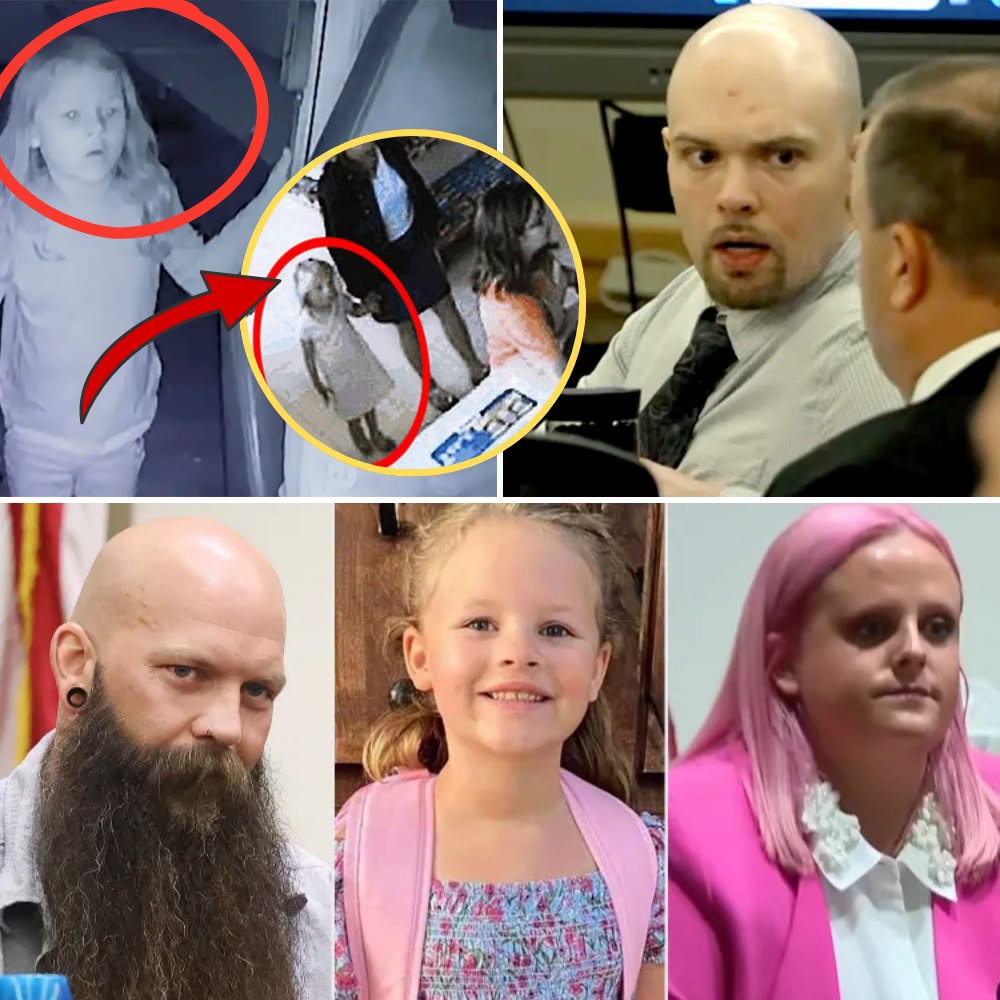
The outrage directed at Horner’s parents stems from the belief that they held the keys to preventing this tragedy. Evidence presented in court suggested that Horner had been “practicing” his predatory behavior. Just 24 hours before Athena was taken, he was seen on a neighbor’s CCTV placing a sticker over his truck’s camera and attempting to lure another young girl.
The neighbor’s father sensed the danger, but Horner’s own family, who had years of experience with “how he gets,” remained silent. This has led to a fierce debate about parental responsibility:
- The Warning Signs: Why were previous allegations—including those from two women who say Horner assaulted them as teenagers—not taken more seriously by his inner circle?
- The Enabling Tone: The nonchalant nature of the jailhouse calls suggests a family culture where Horner’s “dark side” was treated as a character flaw rather than a lethal threat.
- The Corporate Gap: While FedEx bears responsibility for their hiring and monitoring practices, a family’s silence often provides the most effective shield for a predator.
The Contrast of Two Families
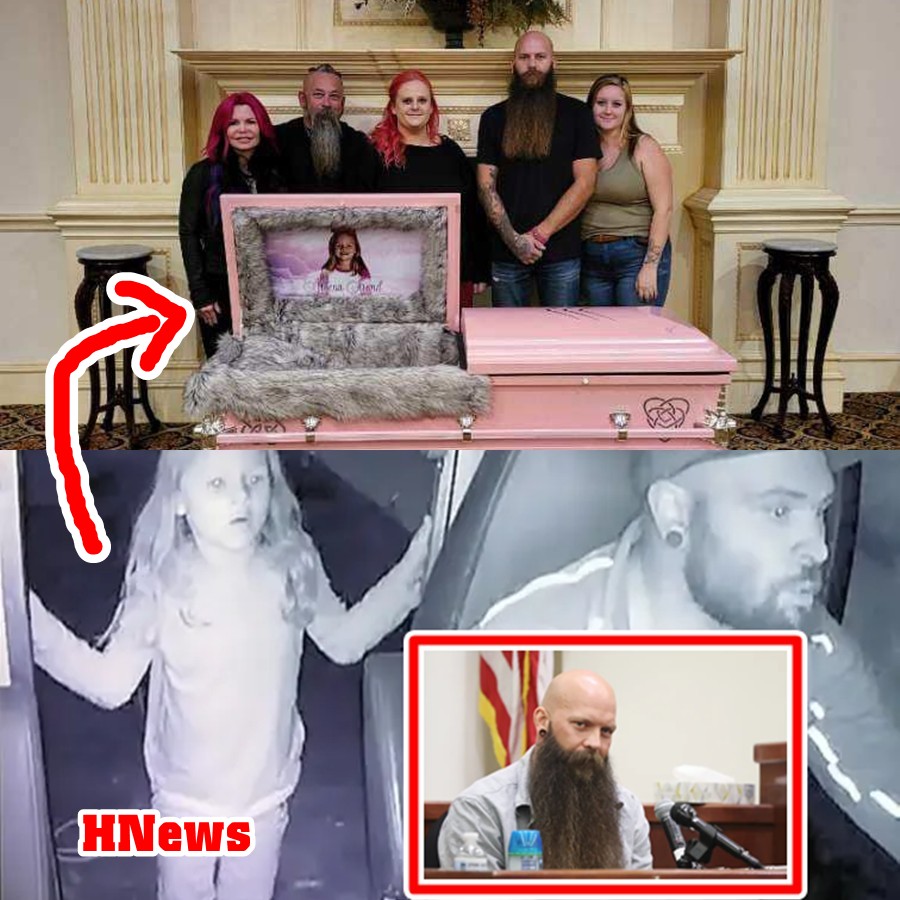
The courtroom in Fort Worth has become a study in extremes. On one side, you have the family of Athena Strand, whose lives were decimated in an afternoon. Athena’s mother and father have had to endure the auditory recreation of their daughter’s final moments, eventually fleeing the courtroom to escape the sound of her screams.
On the other side, the defense has presented a family that appears strangely detached. The contrast is jarring. While one mother mourns a child who will never grow up, the other mother discusses the mechanics of a murder with the same casualness one might use to discuss a traffic ticket.
The Jury’s Heavy Task
As the sentencing phase continues, the jury is tasked with deciding if Tanner Horner deserves to live. The defense is likely to use his upbringing and mental state as mitigating factors. However, the prosecution is using the very same family history to prove that Horner is a “future danger”—a man whose predatory nature was so well-known to his family that even his mother wasn’t surprised by his descent into murder.
The public outcry is clear: society is tired of the “not my son” defense. When a parent knows “how their child gets” and does nothing to protect the community, they become part of the tragedy.
Final Thoughts: A Call for Accountability
The Tanner Horner case is more than just a trial of a single man; it is an indictment of the silence that allows predators to thrive. The “unacceptable” attitude of Horner’s mother in those phone calls serves as a haunting reminder that monsters are often raised in the shadows of indifference.
As Paradise, Texas, waits for a verdict, the memory of Athena Strand remains at the forefront. She was a child who was failed by almost every system designed to protect her—from the delivery company that hired her killer to the family that knew “how he got” but never said a word.
Justice for Athena requires more than just a sentence for Tanner Horner; it requires a societal reckoning with the red flags we choose to ignore and the responsibility we owe to the most vulnerable among us. The sounds of “Jingle Bell Rock” will forever be associated with this case, but it is the cold, calm voice of a mother on a jailhouse phone that may ultimately define the true horror of the Horner legacy.