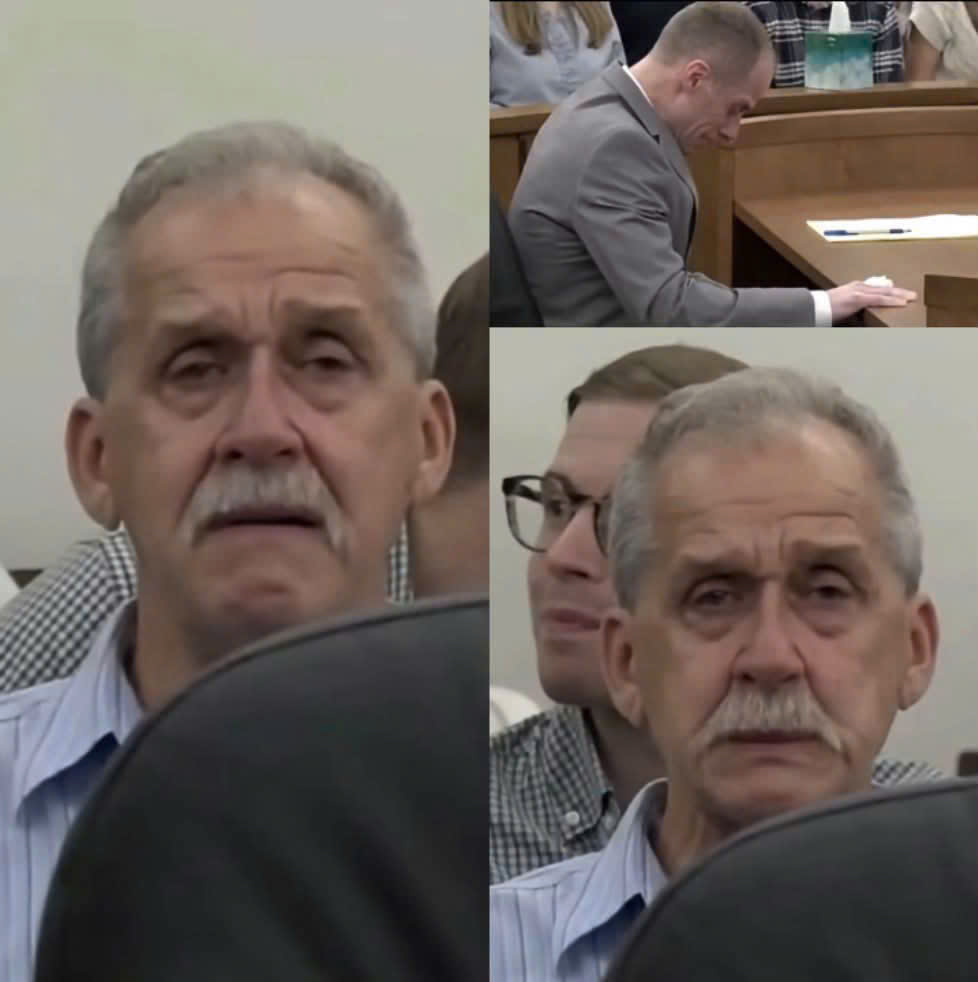
SHOCKING: Defense Spends $40,000 on Brain Experts for FedEx Driver; Evidence Sparks Outrage from Athena Strand’s Family as Tanner Horner Fights to Avoid Death Penalty
The Tanner Horner Trial: When Mental Health Arguments Clash with the Pursuit of Justice
The trial of Tanner Horner—the former FedEx driver accused of kidnapping and murdering 7-year-old Athena Strand in late 2022—is reaching a fever pitch in Wise County, Texas. Day 13 of the proceedings was not just a battle of neurological science, but a profound human tragedy that exposed the dark corners of the defendant’s past and the unyielding grief of a victim’s family.
The Defense Strategy: A “Broken Brain” and a $40,000 Price Tag
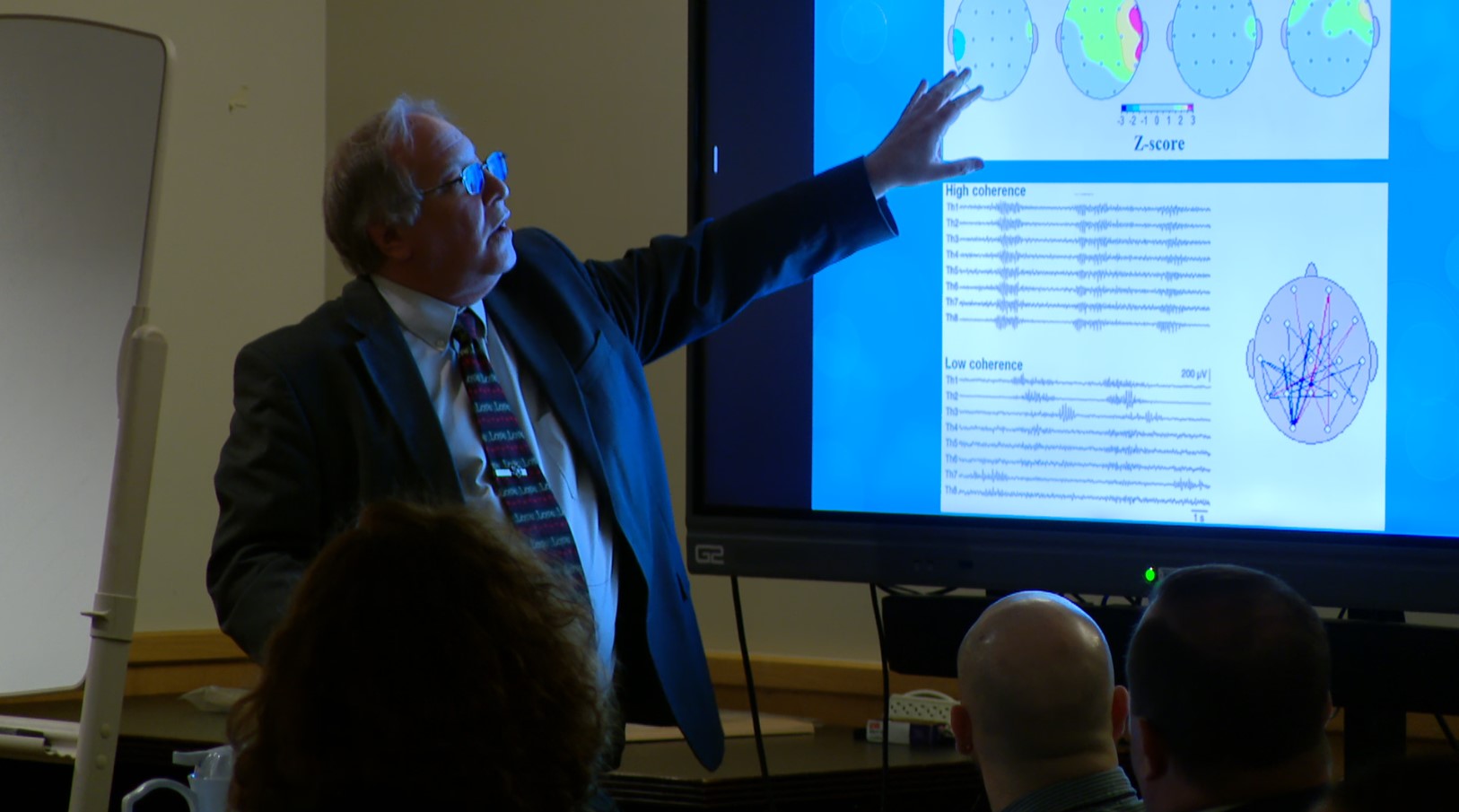
In recent days, the strategy of the defense team has become crystal clear: they are leaning heavily into mental health arguments to spare Horner from the death penalty. The centerpiece of Day 13 featured high-level brain experts taking the stand.
Psychiatrists and neurologists presented the jury with detailed brain scans, asserting that Horner possesses major abnormalities in his frontal and temporal lobes.
- Frontal Lobe: The area responsible for impulse control, decision-making, and social behavior.
- Temporal Lobe: Involved in processing emotions and understanding language.
According to the experts, these structural deficiencies align perfectly with Horner’s diagnosis of Autism Spectrum Disorder (ASD). A striking detail revealed in court was the cost of this testimony: the defense reportedly paid a single expert $40,000 to analyze and testify. This figure underscores the high stakes of the defense’s attempt to prove that Horner’s actions were not born of pure malice, but were the product of a brain that failed to develop normally.
Tears from the Witness Stand: A Turbulent Past
While medical jargon and data occupied much of the day, the emotional weight of the trial came from the testimony of two of Horner’s former educators.
Horner’s 5th-grade teacher broke down in tears on the stand. She recalled a young Tanner who sat in her classroom—a child who faced certain challenges but never showed signs of the monster he would allegedly become. Her emotional display highlighted a different side of the case: the sheer shock felt by those who once knew Horner and are now forced to reconcile that memory with a heinous crime.
Following her, a speech pathologist who worked with Horner in the 7th grade painted a bleak picture of his upbringing. She described a “chaotic home life” where Horner was essentially raised by his grandmother rather than his biological parents.
- Bullying: Horner was frequently a target of peer harassment at school.
- Social Struggles: He fought to connect with others his age.
- Volatility: He was known to get angry easily—a defense mechanism against his environment.
However, this witness provided a firm rebuttal to the defense’s narrative, stating unequivocally that “autism did not cause the kidnapping or murder.” This statement served as a powerful counter-argument, suggesting that mental disability is not an excuse for calculated violence.
The Strand Family: A Symbol of Resilience
On the other side of the courtroom, Athena Strand’s family remained a constant, stoic presence. They wore shirts emblazoned with “Athena Strand Strong”—a symbol of their solidarity and unwavering commitment to seeking justice for the 7-year-old girl.
Their silent but powerful presence serves as a harrowing reminder of the true victim. While experts debate the folds and fissures of Horner’s brain, Athena’s family lives with the reality that their daughter will never reach the 5th or 7th grade milestones discussed by the witnesses.
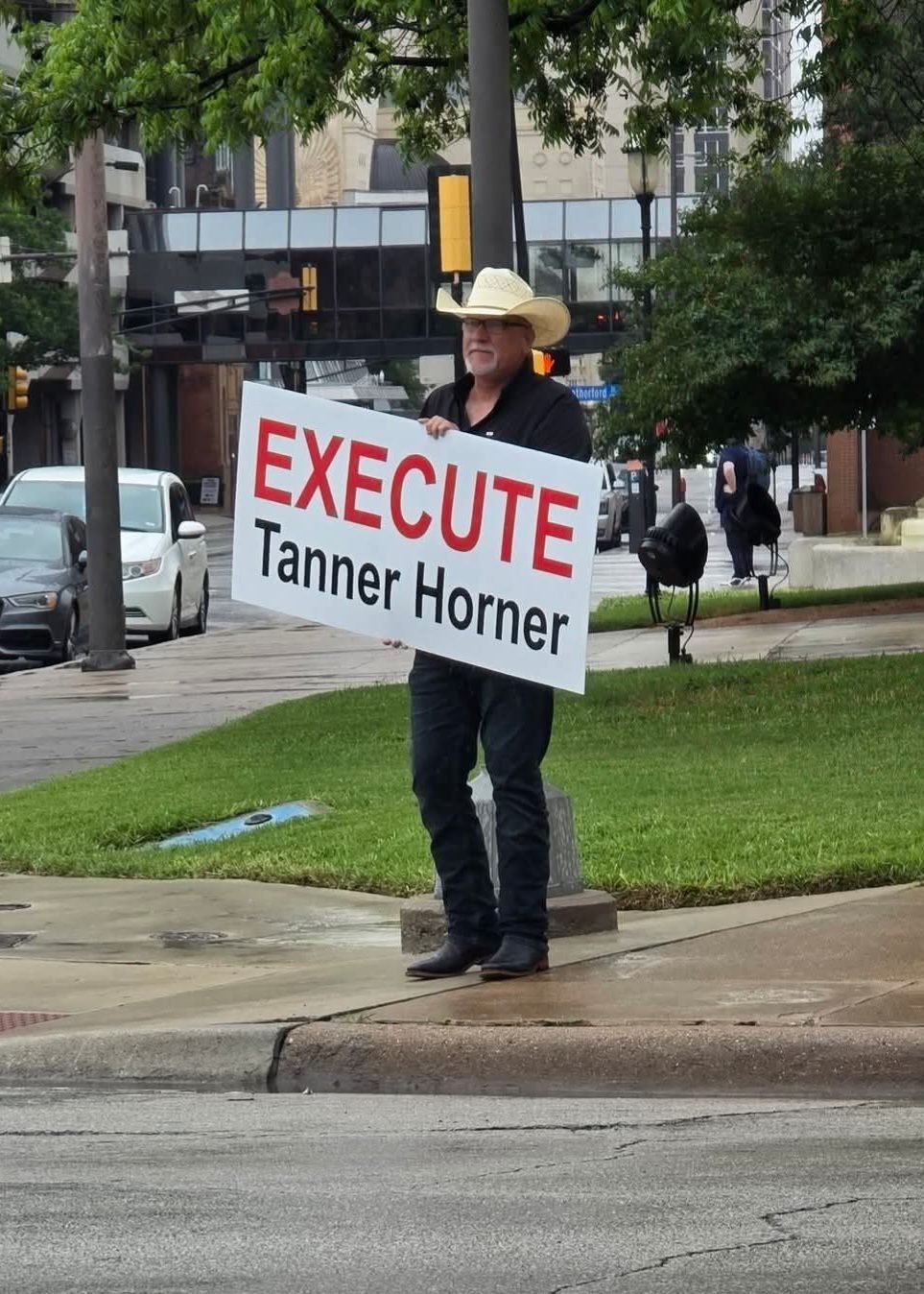
What Lies Ahead: The Road to May 5th
The Tanner Horner case has gripped the American public since his initial confession, in which he claimed he accidentally hit Athena with his FedEx truck and then, in a state of panic, kidnapped and strangled her to prevent her from reporting him.
The upcoming trial schedule promises further high-stakes testimony:
- Testimony from his brother: Currently incarcerated, Horner’s brother is expected to testify regarding their shared upbringing and family dynamics.
- Testimony from his grandmother: As the primary figure in his childhood, her insights into his development will be critical.
- Closing Arguments: Expected to take place on May 5th. This is when the jury will face the ultimate decision: whether neurological abnormalities and a troubled childhood are enough to mitigate the punishment for an act of extreme cruelty.
Perspective from the American Media
National outlets like The Dallas Morning News and Fox News have highlighted this case as a landmark debate on “Criminal Responsibility vs. Psychiatry.”
Prosecutors are working to prove that Horner was fully aware of the wrongfulness of his actions, citing his attempts to hide the body and fabricate stories. Meanwhile, the public continues to watch closely, hoping that the final verdict will reflect the gravity of the loss suffered by the Strand family.
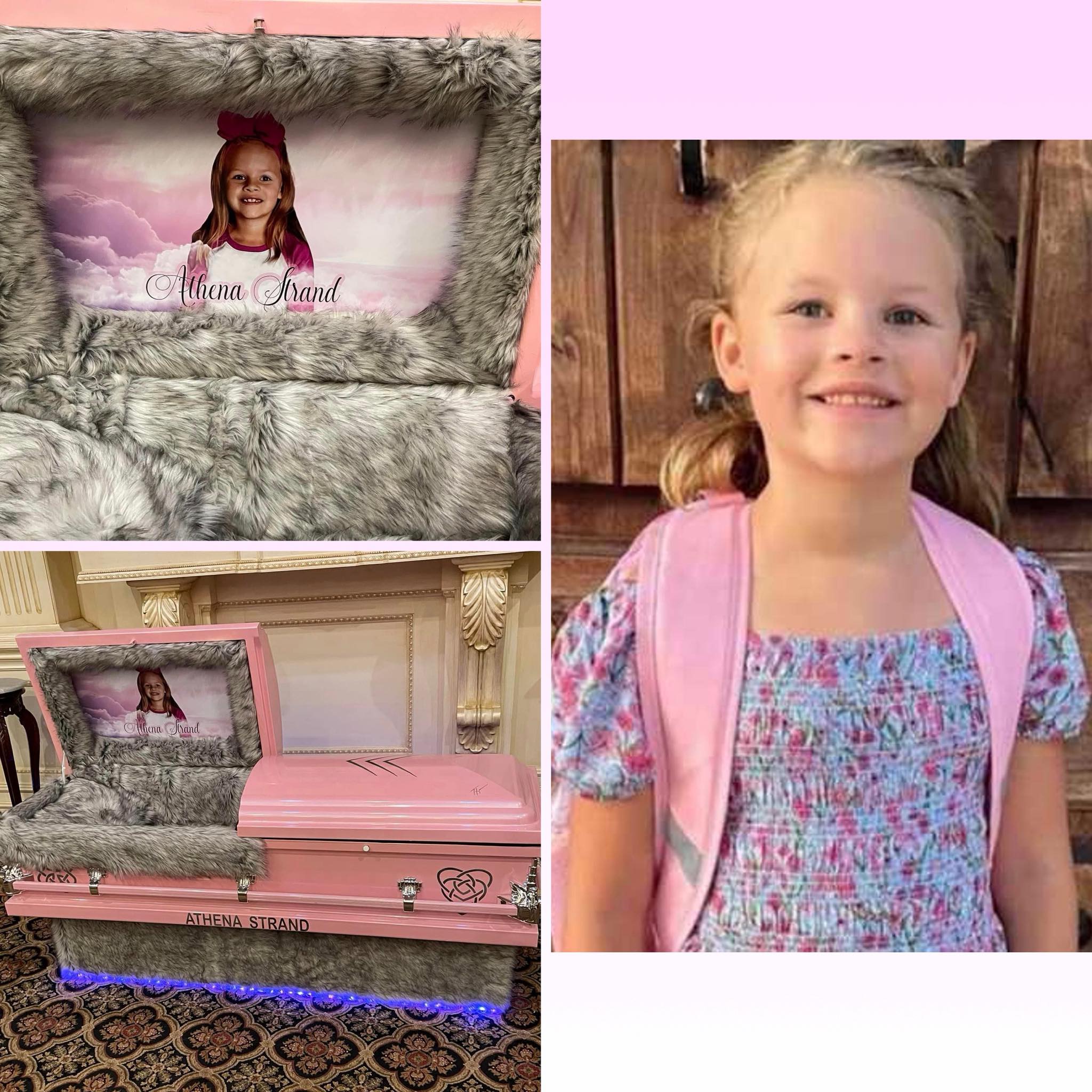
This legal battle is about more than punishing one individual; it asks how society handles the intersection of mental health, systemic failure, and the protection of children. Whether justice can find a balance between medical empathy and legal accountability will be determined after May 5th.