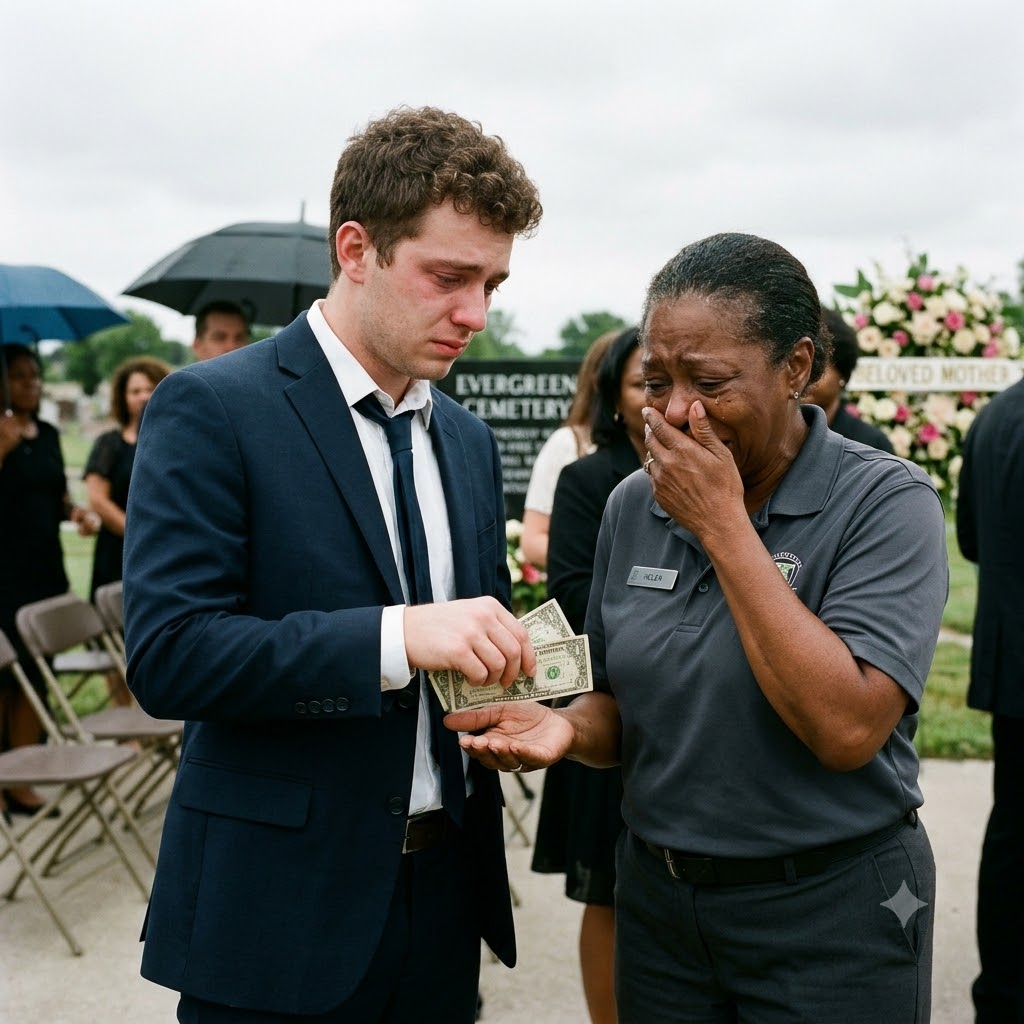
Why the guide was found dead at the cave mouth while 4 professional Italian divers did not survive inside the 3rd chamber of the death cave: Just 2 minutes more, all 5 people could have been saved but everything was TOO LATE
THE 30-METER MYSTERY INSIDE THE MALDIVES DEATH CAVE: WHY DID THE INSTRUCTOR COLLAPSE AT THE ENTRANCE WHILE THE 4 ITALIAN DIVERS PERISHED IN A DEAD END?
MALE, MALDIVES — As Finnish cave diving specialists deployed by DAN Europe concluded their recovery operation at the Vaavu Atoll submerged cave network (locally known as Devana Kandu or Dhekunu Kandu), a confounding riddle immediately challenged forensic investigators: Why was there such a strange and heartbreaking spatial separation between the victims?
According to the official scene schematics, the body of local instructor Gianluca Benedetti was discovered within the First Chamber, immediately adjacent to the cave mouth and right at the entry threshold of the narrow connecting tunnel. Meanwhile, over 30 meters away, deep inside a secondary left-hand corridor that terminated in a complete dead end, lay the clustered remains of the four researchers from the University of Genoa: Professor Monica Montefalcone, her 22-year-old daughter Giorgia Sommacal, researcher Muriel Oddenino, and research assistant Federico Gualtieri.
The distance of more than 30 meters separating the two recovery sites represents far more than a geographic metric. It marks the boundary dividing two distinct fates, two entirely different survival scenarios, and a catastrophic sequence of flawed, panicked choices under the crushing hydrostatic pressure of nearly 60 meters deep.
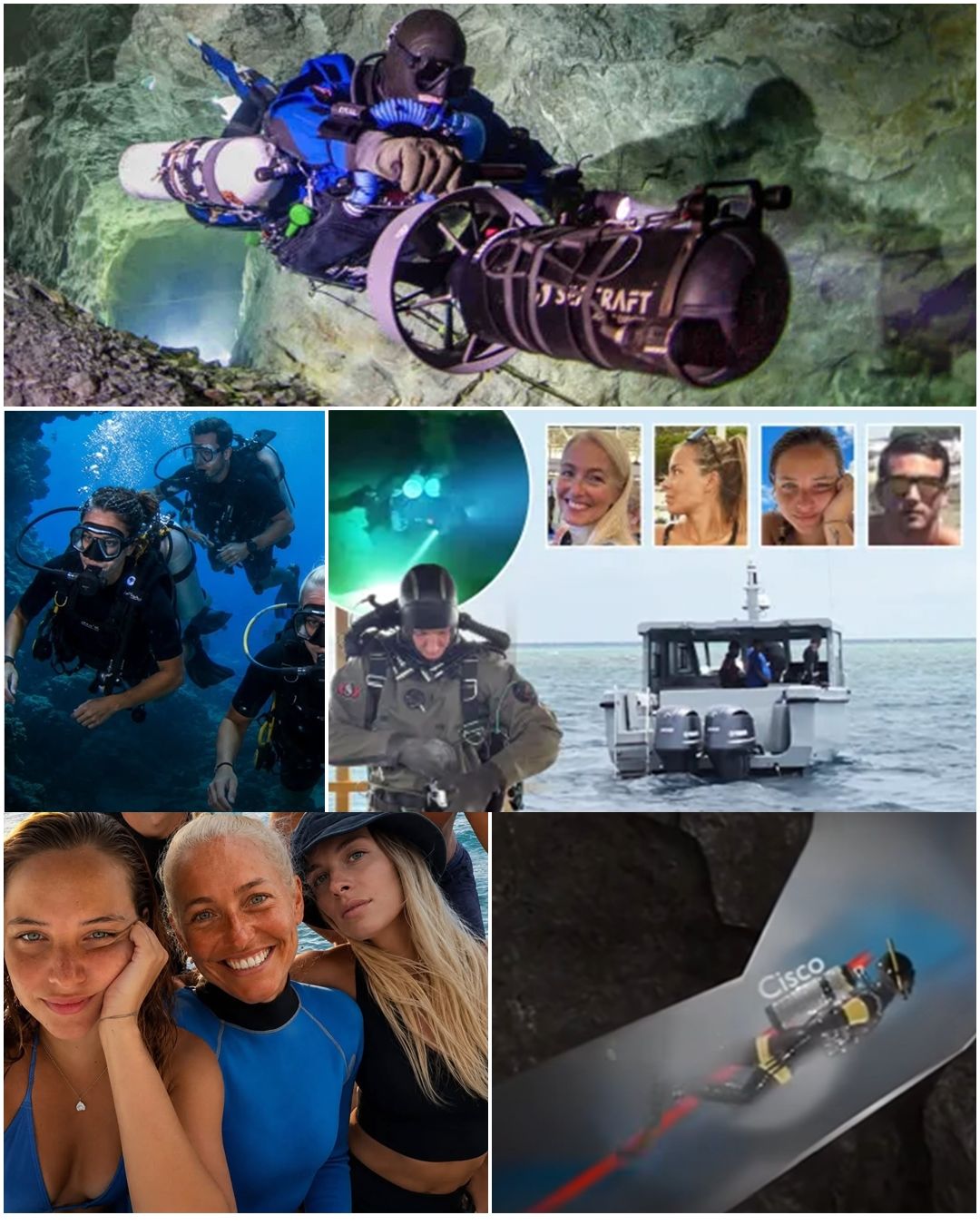
1. The Geometric Trap Layout of Devana Kandu Cave
To decode the catalyst behind this spatial separation, investigators have relied on structural cave maps provided by Shafraz Naeem—a veteran Maldivian technical diver who has logged over 30 dives inside this specific system. Devana Kandu is far from a straight conduit; it is a labyrinth of optical traps split into three distinct chambers:
                    [CAVE MOUTH / ENTRANCE (47m Depth)]
                                    │
                                    ▼
                     [FIRST CHAMBER: Massive, wide clearing]
                                    │
                    (Location of Gianluca Benedetti's collapse)
                                    ▼
                     [S-SHAPED TUNNEL: 30 Meters Long]
                                    │
                                    ▼
             ┌──────────────────────┴──────────────────────┐
             ▼ (True Exit Route)                           ▼ (Mistaken Turn Due to Illusion)
    [OPTICAL ILLUSION SANDBANK]                   [FALSE LEFT CORRIDOR]
             │                                             │
             ▼                                             ▼
    [DEEPER SECOND CHAMBER]                       [THIRD CHAMBER / DEAD END]
                                                           │
                                                           ▼
                                        (Location of 4 Italian researchers)
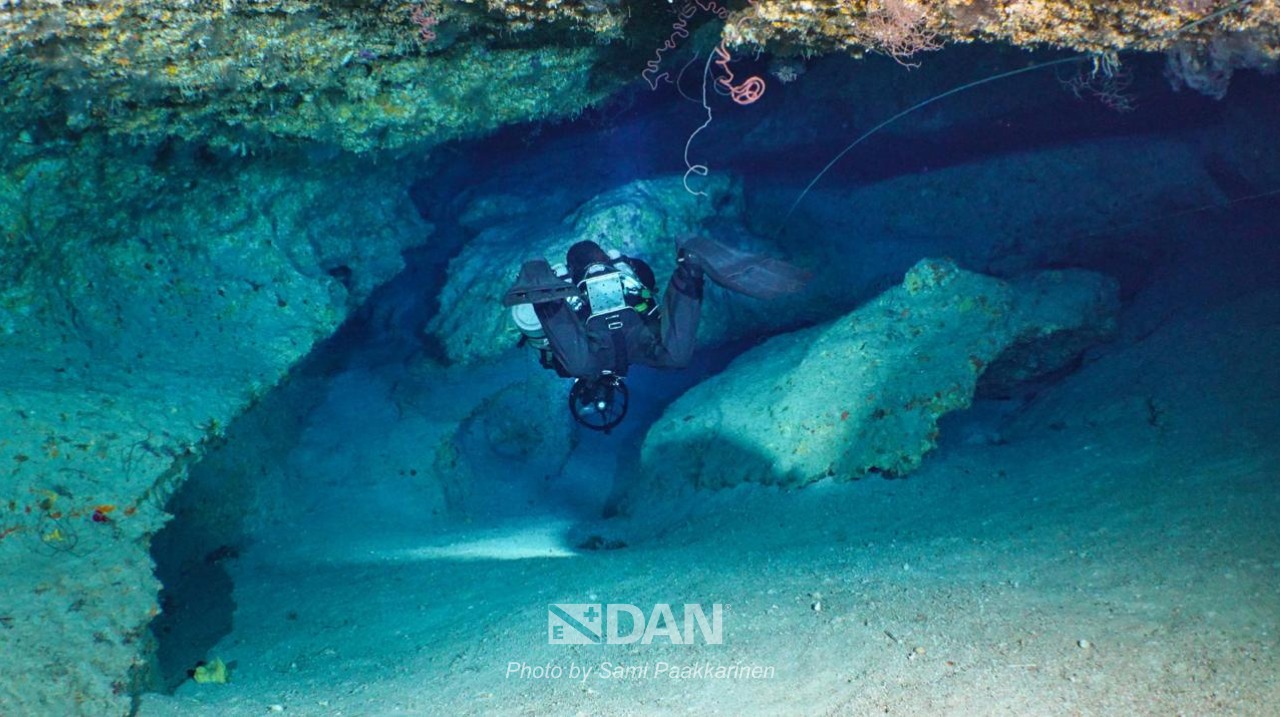
The cave breaches open via a massive archway at a depth of 47 meters (154 ft), opening into a highly spacious First Chamber. From this room, to penetrate deeper into the system, divers must navigate a narrow, 30-meter-long, S-shaped corridor that connects into the Second Chamber.
The critical tactical trap occurs at the junction when looking back from inside the Second Chamber: Due to a dynamic, rising sandbank blocking the view, the true exit corridor is completely obscured, generating a severe optical illusion. Instead, a secondary corridor situated directly to the left appears highly prominent. This false route leads directly into the Third Chamber—a cramped overhead space terminating in a solid rock face, or a dead end.
2. Why Were the 4 Italian Divers Funneled into a Dead End?
Reports from DAN Europe confirm that the Italian research group, including Professor Monica and her colleagues, deliberately penetrated deep into the Second and Third Chambers of the cave for marine ecology research, completely free of any external currents. However, the tragedy catalyzed the moment they elected to turn back.
Silt-out and Absolute Blackout
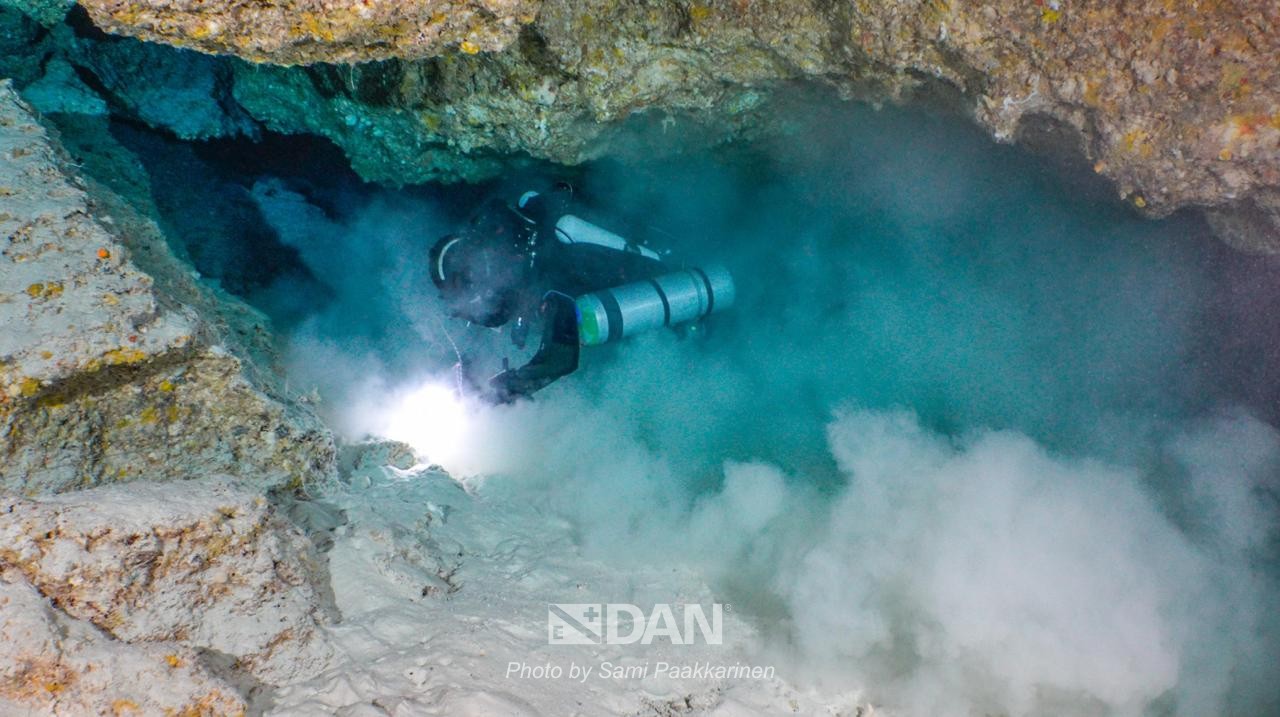
In an overhead cave environment, the non-negotiable rule of survival is to run a continuous, physical guideline anchored from open water. The research group entirely bypassed this protocol. When they turned to exit, frantic fin kicks within the tight confines violently agitated the fine silt and clay floor sediment.
Within seconds, a total silt-out erupted, obliterating ambient visibility to absolute zero (0%). Their high-powered dive torches became entirely useless, merely reflecting off suspended particulate matter to create an impenetrable, opaque white wall.
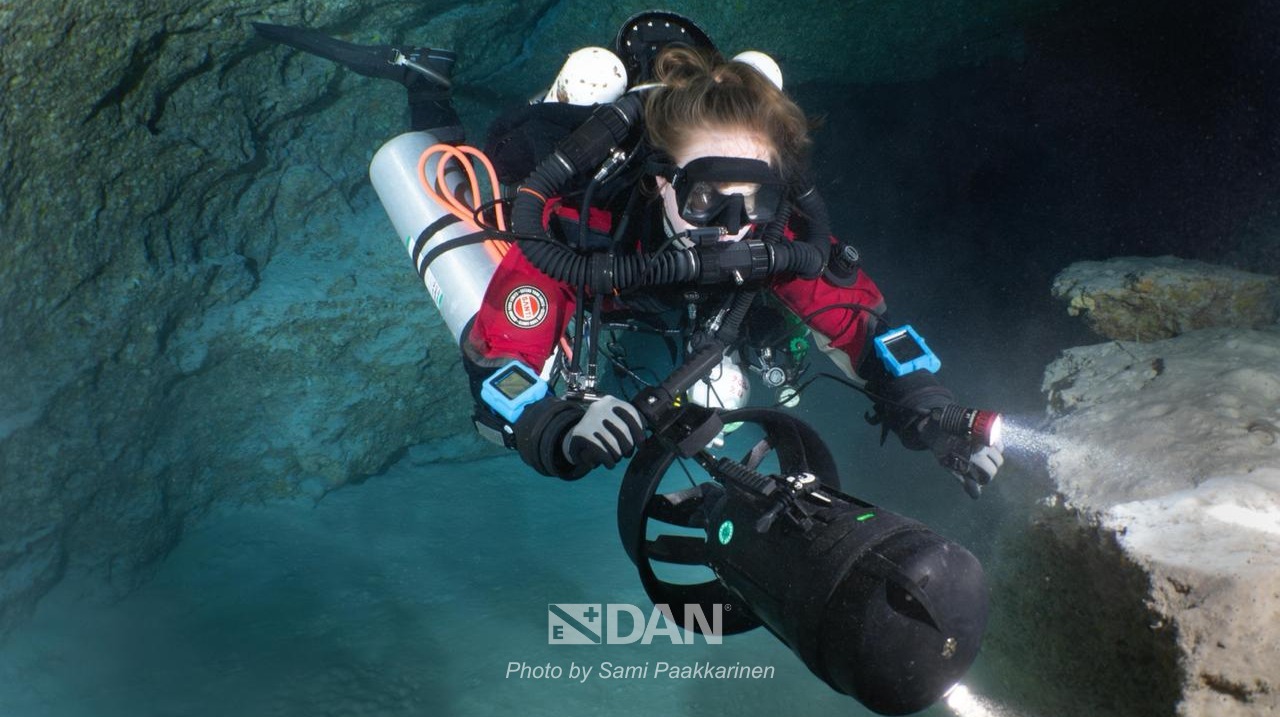
Credit: DAN Europe
The Optical Trap and Cascade Panic
Disoriented, lacking a physical line to anchor them, and facing the optical illusion engineered by the sandbank, the group of four turned into the false left corridor instead of finding the true entry to the S-tunnel.
Laura Marroni, CEO of DAN Europe, explained the sequence:
“The divers, unable to find the exit corridor, found themselves in a corridor to the left of what would have been the exit, which, however, was a dead end. When they realized they were in a blind alley with no way out, their gas supplies had already reached emergency levels.”
Under a total pressure of 7 ATA at depths bordering 60 meters, gas narcosis induced by breathing standard compressed air out of basic 12-liter tanks severely degraded the victims’ logical reasoning. A systemic cascade panic triggered their respiration rates to skyrocket, multiplying their air consumption by three to four times baseline levels. Trapped together inside the claustrophobic confines of the Third Chamber, they could only hold one another, helplessly watching their pressure gauges drop to absolute zero (0 bar).
3. The Enigma of the Instructor’s Collapse at the Cave Mouth
The completely isolated position of instructor Gianluca Benedetti’s body in the First Chamber—immediately adjacent to the main cave mouth—presents two major scientific hypotheses for forensic investigators and detectives of the Genoa Flying Squad:
Hypothesis 1: A Desperate Attempt to Swim Out for Surface Rescue
This is the scenario favored by multiple Finnish recovery specialists on the scene. As a highly experienced instructor and local guide, Gianluca likely recognized the group’s fatal navigational error the moment the silt-out blinded the team. His professional responsibilities would have driven him to seek a solution to save his clients.
Realizing that the research group had funneled themselves into the dead end and that his own gas supply was rapidly depleting, Gianluca may have executed a calculated, final gamble: leaving the pocket to aggressively navigate the grueling 30-meter S-tunnel backward, aiming for the cave mouth to secure external emergency assets from surface support aboard the Duke of York or military units.
However, the gas volume of a single 12-liter cylinder at 60 meters provides a working window of under 10 minutes. Groping blindly through an opaque cloud of suspended silt, combined with extreme psychological distress, drained his final breaths of gas. Gianluca successfully located the correct exit route; he conquered the entirety of the treacherous 30-meter S-tunnel. Yet, the exact moment his hands cleared the restriction into the wide clearing of the First Chamber—mere meters away from open water and survival—his cylinder completely ran dry. He collapsed and breathed his last at the mouth of the cave.
Hypothesis 2: Prior Group Separation (Lost Dive Team Cohesion)
An alternative theory derived from preliminary dive computer telemetry suggests that Gianluca Benedetti may not have accompanied the four researchers into the Second Chamber at all. His assigned role may have been to remain stationed in the First Chamber as a safety diver or to manage equipment.
When the research group deep within the cave system suffered the silt-out and failed to exit, Gianluca, stationed outside, would have been completely blinded by a massive plume of muddy sediment billowing out from the mouth of the S-tunnel. He likely waited patiently at the designated rendezvous point until his own gas supply dropped into critical reserve parameters. In an ultimate effort to save his own life, he attempted to swim out of the cavern archway to ascend, but extreme hypoxia under the heavy hydrostatic pressure triggered a deepwater blackout right at the entrance before he could break out into open water.
4. Crucial Lessons Documented in Blood
Regardless of the exact real-time sequence that befell Gianluca Benedetti, the 30-meter void between his final resting place and that of his team serves as a brutal testament to the uncompromising nature of cave environments when safety margins are ignored.
- Flawed Equipment Profiling: Utilizing single 12-liter tanks for an exploration dive pushing past 50 meters is a form of “technical suicide.” At these depths, a baseline recreational cylinder lacks the necessary reserve volume required to manage a basic navigational emergency.
- Absence of a Guideline: Had the research team maintained continuous physical contact with a guideline laid by Gianluca, neither the silt-out nor the optical illusion of the sandbank would have proved fatal. A safety line serves as the solitary, definitive anchor connecting a diver’s brain to the world of light.
- The Brutal Effects of Depth Narcosis: Failing to utilize a specialized Trimix gas blend (incorporating helium to suppress narcosis) severely impaired the cognitive faculties of the four Italians. This deficit directly caused them to react to the crisis by turning left into a blind alley rather than stopping, stabilizing, and methodically identifying the correct path home.
Conclusion
The disaster at Vaavu Atoll, Maldives, leaves behind an enduring scar for the families of the victims, the academic community at the University of Genoa, and the global diving fraternity. It additionally claimed the life of MNDF rescue diver Staff Sergeant Mohamed Mahudhee during the initial search phase.
The physical layout of the recovery scene—the solitary guide collapsed at the threshold of the exit, and his four passengers locked deep within a terminal blind alley—will remain an incredibly haunting chapter in forensic diving archives. It stands as an unyielding warning that the ocean never forgives complacency or a single navigational error, no matter how minute.