CRY FOR HELP LOST IN THE OKANOGAN RIVER:
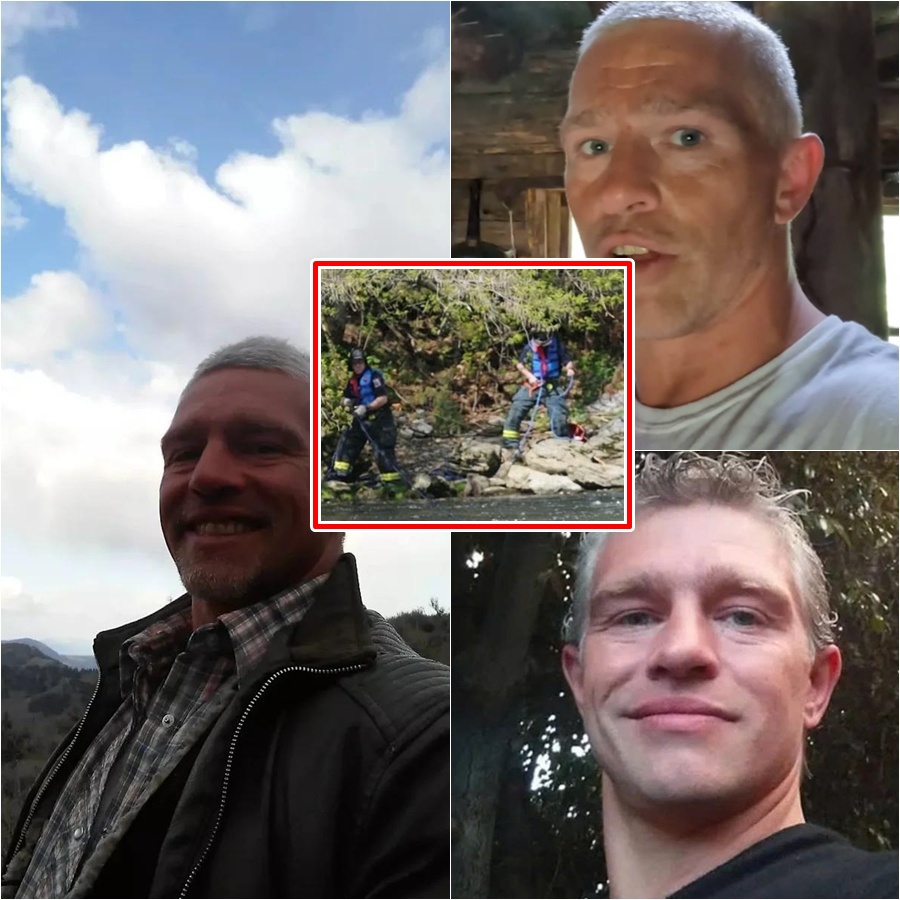
The tragic death of reality TV star Matt Brown is not just a family tragedy, but a harrowing wake-up call about mental health, depression, and the profound isolation experienced by those who step out of the spotlight.
Part I: Tragedy on the Okanogan River and Shocking Family Updates
In late May 2026, fans of the hit reality series Alaskan Bush People were left reeling by devastating news: Matt Brown—the resilient, resourceful eldest brother of the Brown clan—is suspected to have taken his own life in the Okanogan River area of Washington state.
The incident began when witnesses reported seeing a man matching Matt Brown’s description in the shallow waters of the Okanogan River on May 27. According to reports, the man sat motionless in the water for a long period before his body was seen floating face-down and subsequently swept away by the swift current. Law enforcement recovered a firearm left behind at the riverbank. Shortly thereafter, a body was recovered downstream and is currently undergoing DNA testing for official identification. However, those close to the situation have all but abandoned hope.
On TikTok, Bear Brown—Matt’s younger brother—posted a series of raw, emotionally wrought videos. Fighting through tears with a breaking voice, Bear painfully confirmed their worst fears:
“I’m being told that late last night that Matt took his own life. I would’ve never thought that Matt would take his own life.”
TIMELINE OF EVENTS (MAY 2026)
| Date | Event | Details |
| :--- | :--- | :--- |
| May 27 | Tragic Discovery | Witnesses spot Matt Brown in the Okanogan River; a firearm is recovered at the scene. |
| May 28 | Body Recovered | Authorities locate a body downstream; DNA testing is initiated. |
| May 29 | Bear Brown Breaks Silence | Confirms the devastating news via social media; reveals his brother's relapse. |
Bear also candidly shared the dark reality leading up to the tragedy. Matt Brown had recently gone through a painful breakup, which plunged him into a deep abyss of despair. The 43-year-old reality star had “fallen off the wagon,” relapsing into alcohol and drug abuse after a long, hard-fought period of sobriety. During the final phone call between the two brothers, Bear tried desperately to encourage him: “Get back on it, man. Everybody falls off. Go to rehab if you’ve got to.” Matt admitted his struggles at the time, but his promise to try turned out to be a final, tragic goodbye.
Part II: The Viral Clip – When a “Cry for Help” Goes Unheard
Amidst the storm of grief, an old video of Matt Brown suddenly resurfaced, spreading across social media platforms like wildfire. The clip, titled reflectively “Catastrophizing. Things Aren’t Always About Us,” has left fans with chills given the current context, exposing the prophetic nature of his words and his absolute isolation.
In the clip, Matt sits calmly before the camera, though a profound sadness lingers in his eyes. He speaks genuinely about the mind’s self-destructive mechanism—the psychological phenomenon known as “catastrophizing”:
“Sometimes we can think to ourselves we can catastrophize. That’s where we think that things must be going wrong… Instantly, we get into our head thinking that there must be something wrong with us.”
Matt goes on to explain how, for those who are emotionally vulnerable or hurting, a minor trigger—such as texting a friend and not receiving a reply—can trigger a massive avalanche of negativity, ballooning into the toxic belief that “everyone hates me.”
When the video was originally posted, viewers saw it merely as a positive message, a life lesson from an introspective man who had survived the harsh storms of the Alaskan wilderness. But today, juxtaposed against the haunting image of Matt sitting alone in the Okanogan River before surrendering to the current, the clip takes on a heartbreaking meaning. It was never just a casual video; it was an indirect cry for help from a bleeding soul that no one managed to truly hear or understand in time.
Part III: From Wilderness Hero to a Long Spiral Downward
To understand how a man who once survived some of the harshest terrains in America could succumb to psychological pressure, one must look back at Matt Brown’s turbulent journey.
As the eldest sibling on Alaskan Bush People, Matt was once the shining star of the show. He embodied the image of a rugged survivalist—highly skilled, endlessly energetic, and a pillar of support for his younger siblings. Audiences fell in love with Matt for his optimism and his slightly eccentric yet deeply warm personality.
However, behind the camera lenses, Matt was fighting internal monsters far more ferocious than any wild predator in Alaska. The sudden pressure of reality TV fame, compounded by psychological trauma accumulated from an isolated lifestyle, drove Matt down the path of addiction.
- 2019: Matt was forced to leave the reality show to enter a substance abuse rehabilitation center. His absence left a massive void in the hearts of viewers.
- 2021: Tragedy struck again when the family’s beloved patriarch, Billy Brown, passed away. This milestone event not only devastated the family but also fractured Matt’s relationship with his remaining relatives. Matt distanced himself further, choosing a solitary life in Washington.
Those close to him once described Matt as a “functional drunk.” When sober, he was an insightful and deeply sensitive man. But when he turned to substances to escape reality, paranoia and depression would hijack his mind. In his final social media livestreams, fans grew increasingly alarmed to see Matt rambling, visibly intoxicated, and reportedly armed. These erratic behaviors eventually forced the Brown family to establish strict boundaries with him, following years of staging interventions and funding multiple stints in rehab to no avail.
Part IV: Public Backlash and the Debate Over the Cost of “Reality Fame”
Matt Brown’s tragic passing and the re-emergence of his old video have ignited a massive conversation across social media platforms regarding two pressing issues: Mental health awareness and the dark side of reality television.
Many fans transitioned from grief to anger. They criticized the entertainment industry for exploiting the personal lives of reality stars for ratings while abandoning them when they face severe mental health crises. Fame brings financial rewards, but it also breeds ultimate isolation. For Matt Brown, constantly having to maintain the facade of a “strong eldest brother” for millions of viewers inadvertently stripped him of his right to be vulnerable—his right to admit he was falling apart.
Concurrently, a wave of criticism was directed at the Brown family, accusing them of abandoning Matt during his darkest hours. Faced with the public onslaught, an emotional Bear Brown pleaded for understanding:
“Matt has done a lot of bad things… but we tried. We put him through rehab multiple times, we never stopped praying for him. Please don’t attack my family while we are going through this loss.”
Mental health experts note that the “catastrophizing” Matt described in his resurfaced video is a textbook symptom of clinical depression and Post-Traumatic Stress Disorder (PTSD). When an individual falls into this cognitive trap, they lose the ability to view reality objectively. A romantic breakup or perceived rejection from family can be magnified into “the end of the world.” For someone with a history of addiction like Matt, the combination of destructive thought patterns and substance abuse creates a lethal cocktail.
Conclusion: A Costly Lesson from a Lost Wilderness
The scenic Okanogan River in Washington now carries a sorrowful legacy. It is no longer just a geographical landmark, but a somber symbol of the devastating toll of untreated mental illness.
Matt Brown spent his youth proving to the world that humanity could conquer the wild, braving the freezing Alaskan elements with nothing but sheer will and his bare hands. Yet, in the end, he was unable to conquer the undercurrents surging within his own mind. His tragedy leaves behind a profound and costly lesson for us all:
- Physical strength does not equal mental fortitude: A person can take down a wild animal yet still be completely defeated by a toxic thought brewing in the dark.
- Learn to listen to the quiet cries for help: Do not wait until someone explicitly says “I want to die” to rush to their aid. Musings on exhaustion and philosophies on loneliness—like Matt’s video—are urgent red flags that require attention.
- Stop judging and start connecting: In the digital age, a person can have millions of social media followers yet not a single soul to hold them when they cry. Authentic understanding from family and society is the ultimate lifeline for those standing on the edge.
While the identification of the body will soon be finalized and his ashes will eventually find a resting place, Matt Brown’s voice in that old video—his warning about the dangers of catastrophizing—will echo on. It serves as a permanent reminder to those left behind: life is incredibly fragile, and sometimes, simply reaching out a hand to pull someone from the quicksand of their own dark thoughts is the greatest thing one human being can do for another.
IF YOU OR SOMEONE YOU KNOW IS STRUGGLING OR IN CRISIS:
Please know that you are not alone. Reach out immediately to your local mental health hotlines, support helplines, or medical professionals. Help is available, confidential, and it saves lives.