THE IMPOTENCE OF DOLLARS AND RACE: Why Karmelo Anthony Hired Texas’s Top White Attorneys and Still Flung Headfirst into a 35-Year Prison Sentence

The legal battle surrounding the shocking murder case at the Frisco high school track meet in April 2025 has closed its initial chapter with a 35-year prison sentence for Karmelo Sincere Anthony. The moment the verdict was handed down by Judge John Roach Jr. in June 2026, waves of fierce controversy erupted across the United States, particularly within the Black community.
One of the most glaring questions raised was: Why did Karmelo Anthony’s family willingly spend massive fortunes to retain a powerful, high-profile, all-White defense team at the top of the Texas legal echelon, only to suffer a crushing defeat before the jury? The 35-year sentence for first-degree murder stands as definitive proof: when confronted with an overwhelmingly comprehensive web of digital evidence, the “race card” and the sheer clout of high-priced White attorneys become entirely obsolete.
The Strategy of “Using White Men to Speak to White Men”
In an American criminal justice system riddled with systemic racial fractures, the Anthony family’s decision to hire White attorneys to defend a young Black client was no accident—it was a calculated, pragmatic legal maneuver. Collin County, Texas—the venue of the trial—is historically known for its overwhelmingly White demographic and conservative voting tendencies.
Looking at the jury roster (which consisted of nine White jurors and three from Asian/Indian minority groups, with absolutely no Black representation), Anthony’s advisory team understood a stark reality: confronting Collin County prosecutors head-on with a Black defense attorney could inadvertently trigger implicit biases within the jury box.
The strategy was simple: “use White men to speak to White men.” They retained prominent, elite attorneys who knew the intricacies of the Texas court system inside and out, aiming to foster a sense of cultural and psychological resonance with the jurors. The defense team’s primary directive was to soften Karmelo Anthony’s image—transforming a 17-year-old Black youth who brought a weapon to a school function into a “terrified child, cornered and bullied by the physically imposing Metcalf twins, who was forced to defend himself.”
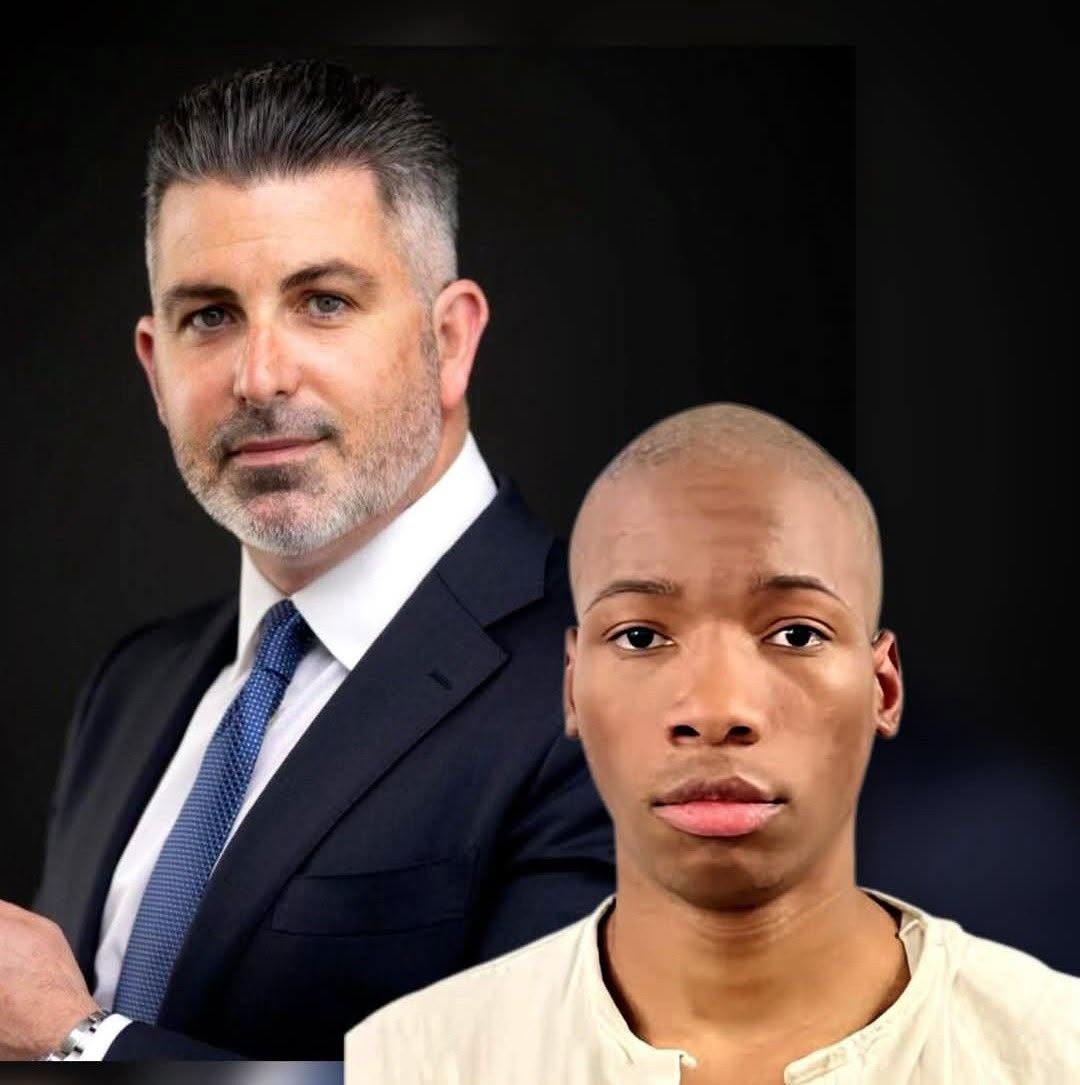
Throughout the trial, Anthony’s White legal counsel demonstrated sharp professional capability by relentlessly focusing on physical stature. They emphasized that Austin Metcalf was a towering 6’1″ football standout weighing nearly 220 lbs, whereas Anthony was considerably smaller. They argued that the stabbing was a psychological reaction born of “sudden passion” when pushed into a corner under a rain-drenched team shelter.
The Fortress of Evidence: When Technology Suffocates Advocacy
No matter how brilliant Anthony’s attorneys were, they could not bypass the supreme rule of the courtroom: physical evidence always carries more weight than rhetoric. The failure of the White defense team lay not within their capabilities, but within the fact that their client had left behind too many indelible footprints.
The massive 6-gigabyte repository of digital evidence released by the 296th District Court served as the absolute executioner of the self-defense narrative. Surveillance clips from Kuykendall Stadium and police bodycam footage exposed a reality fundamentally detached from the “victim of bullying” script engineered by the defense.
- The Perpetrator’s Aggression: The footage clearly demonstrated that Anthony was neither dragged nor forced into the Memorial High School tent. He entered the opposing team’s designated “territory” entirely on his own accord.
- The Veiled Threat: Prior to Austin Metcalf forcefully shoving Anthony out of the enclosure, witnesses and audio recordings revealed that Anthony had reached into his backpack, hurled a defiance, and warned onlookers not to touch him. This crucial detail proved that Anthony possessed an aggressive, confrontational mindset, rather than an unprovoked, panicked state of mind.
- The Premeditated Weapon: The fact that Anthony brought an Ozark Trail serrated pocket knife purchased from Walmart to a high school athletic event—where weapons are strictly prohibited—automatically stripped him of any claim to “victimhood.”
The jurors, while potentially sympathetic to the refined demeanor of the defense attorneys, could not turn a blind eye to the horrific forensic imagery: the gaping, deep gash that pierced straight through Austin Metcalf’s heart and Anthony’s own blood-soaked gray sweatshirt. Scientific data proved it was a calculated, intentional homicide executed with brutal force, completely obliterating the defense’s claim of an involuntary, defensive gesture.
Three Words—”I Did It”—and the Collapse of Legal Manuevers
Another core reason why Anthony’s high-priced White legal team stood entirely helpless was the defendant’s own spontaneous outburst upon apprehension. Top-tier attorneys always instruct their clients to “maintain absolute silence until counsel arrives.” Yet, Karmelo Anthony committed a fatal, irreversible mistake within the first minutes of his arrest.
According to Frisco police logs and audio recordings, when officers tackled and restrained Anthony as he fled frantically a few hundred yards from the scene in the pouring rain, he lowered his head and uttered: “I did it.”
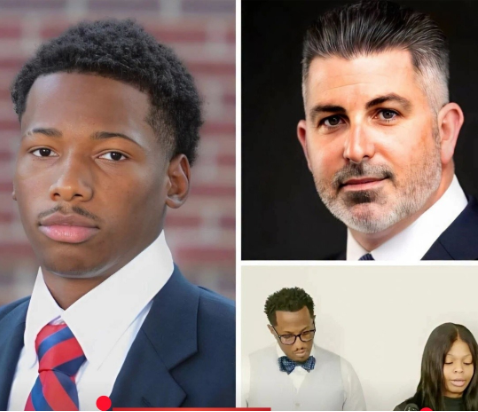
Those brief three words are a nightmare for any criminal defense attorney. Uttered at a moment when Anthony’s psyche had not yet been insulated by legal coaching, they reflected his immediate consciousness of the act. By admitting “I did it” at the scene without offering any immediate explanation of being attacked or coerced, he personally slammed the door to his own freedom shut. The prosecution weaponized this exact phrase to convince the jury that the defendant was fully aware of his crime, exhibiting none of the panic or remorse expected from someone acting in genuine self-defense.
A Bitter Lesson on the Limits of Wealth and Race in the Justice System
The case of Karmelo Anthony serves as a profound reminder that the American judicial system, despite its ongoing controversies, can operate solely on the strict, unyielding merit of physical evidence. Hiring White attorneys is not a “get-out-of-jail-free card” for minority defendants when they have violently taken a human life.
In the aftermath of the trial, several legal analysts noted that the 35-year sentence was, in reality, a “lenient outcome” for Anthony. Given that first-degree murder in Texas carries a maximum penalty of life imprisonment without parole or the death penalty, the fact that these White attorneys saved Anthony from a lifetime behind bars was an extraordinary achievement, rather than a defeat.
The 35-year prison term handed down to the 19-year-old sends a thunderous message: when a life is cut short, and when concrete physical and digital video evidence is overwhelming, the skin color of the defendant, the racial makeup of the jury, and even the race and prestige of the defense team cannot tip the scales of justice. The brutal truth of the Frisco tragedy was not decided by racial debates on social media, but by the cold-blooded actions of the perpetrator beneath that fateful shelter.