Body of missing American Airlines flight attendant found in Colombia; Colombian police release latest statement on the unfortunate victim: No miracle for Eric Fernando Gutierrez Molina
The vibrant, high-altitude city of Medellín, Colombia, often celebrated for its “eternal spring” and cultural resurgence, has become the backdrop of a heartbreaking international tragedy. What began as a routine layover for an American Airlines flight attendant has culminated in a grim discovery that has sent shockwaves through the aviation community and raised urgent questions about the safety of international travelers in one of South America’s most popular destinations.
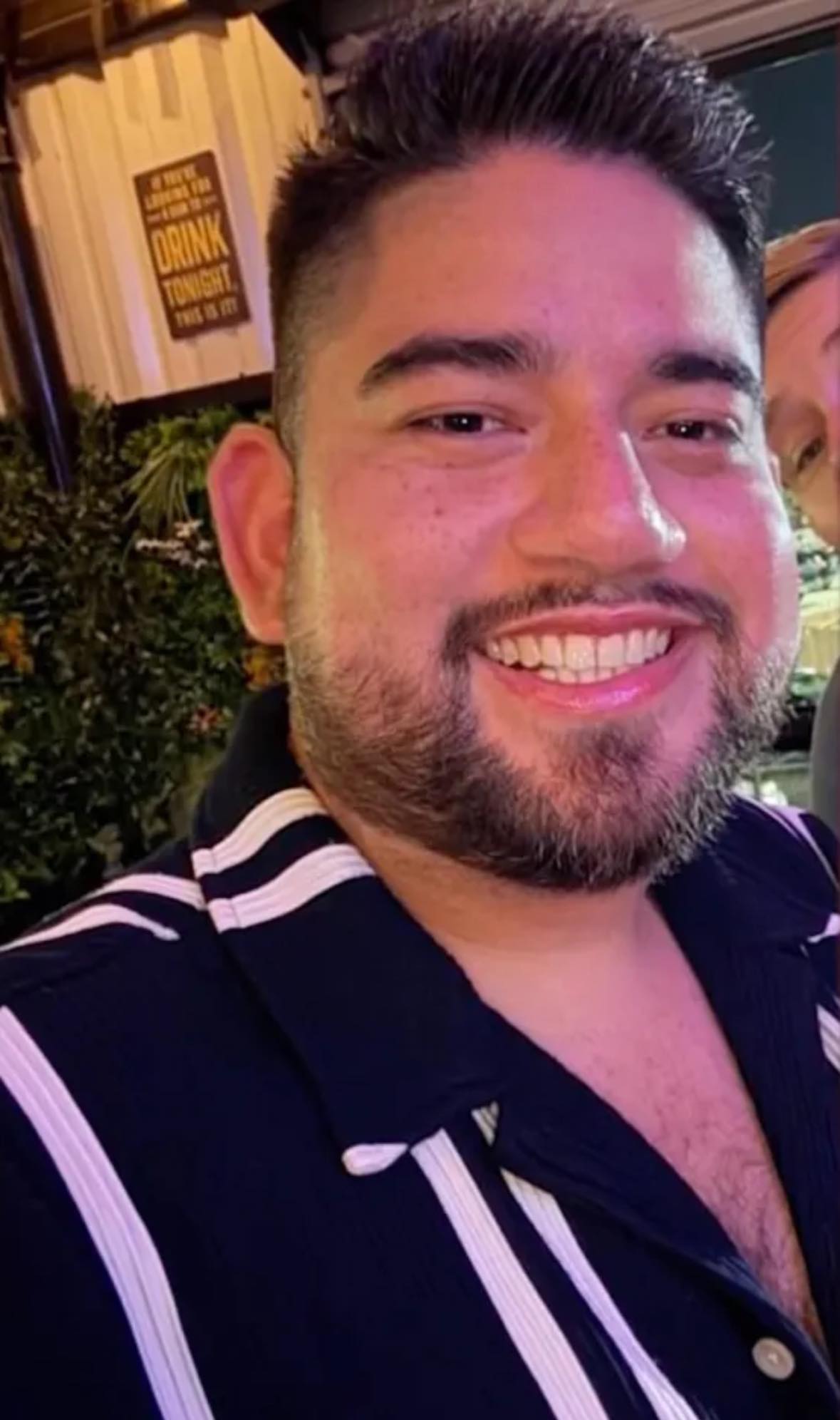
On Friday, Medellín Mayor Federico Gutiérrez confirmed that authorities had located a “lifeless body” during the intensive search for Eric Fernando Gutierrez Molina, a 32-year-old crew member who vanished earlier this week. The remains were found in a rural stretch between the municipalities of Jericó and Puente Iglesias. While formal identification by the city’s coroner’s office is still pending, Mayor Gutiérrez stated there is a “very high probability” that the body is that of the missing American Airlines employee. The Mayor has already reached out to the victim’s father, who traveled to Colombia to aid in the search, to express the city’s solidarity and grief.
The timeline of the disappearance paints a chilling picture of a night out that turned inexplicably dark. Eric Molina, described by those close to him as an intelligent, charismatic, and highly responsible individual, was in Medellín for a standard layover. On the night of his disappearance, he went out with a female colleague in the La América neighborhood. According to accounts from friends and family, the pair was approached by an unknown man who attempted to insert himself into their company.
The circumstances following that encounter remain shrouded in a haze of uncertainty and suspicion. Sharom Gil, a friend of the crew members, indicated that the female flight attendant who accompanied Molina has struggled to recall significant portions of the evening. More alarmingly, reports have surfaced suggesting that the co-worker was drugged during the outing. While she has since recovered and provided information to investigators, her memory gaps and the presence of a suspicious third party suggest a targeted incident—a tactic unfortunately familiar to local authorities in cases involving “scopolamine” or other incapacitating substances often used in robberies.
The alarm was first raised when Molina failed to report for his scheduled duty. In the rigid, time-sensitive world of aviation, a crew member missing a departure without notice is an immediate red flag. “The departure time was already set, and for him not to be there at those designated times—that shows something is seriously wrong,” a source close to the family noted. As the search began, digital breadcrumbs added to the mystery. Molina’s phone was detected pinging in two separate locations within Medellín, both of which were far removed from his hotel and the areas he was expected to frequent. One of these locations was a residential area that offered no obvious connection to the missing man.
For Molina’s partner of ten years and his extended family, the news of the body’s discovery is a devastating blow. They had held onto hope, bolstered by Eric’s reputation for making safe, responsible choices. His disappearance was framed by his loved ones not as a result of recklessness, but as a tragic vulnerability that could affect any traveler. “This is the kind of situation we believe could happen to anyone,” they shared during the search, highlighting a growing anxiety regarding the safety of airline crews who frequently navigate foreign cities as part of their professional lives.

The aviation industry, particularly American Airlines, has reacted with somber concern. In a formal statement, the airline confirmed it is working closely with Colombian authorities and providing support to the Molina family. The incident has also sparked a wider conversation among flight crews regarding the safety protocols of layovers in regions where “stranger-targeted” crimes are on the rise. While Medellín has made massive strides in safety over the last two decades, the specific targeting of tourists and foreigners with incapacitating drugs remains a persistent challenge for local law enforcement.
The investigation is now shifting from a missing person’s case to a potential criminal inquiry. The coroner’s office is expected to determine the cause and manner of death, which will be crucial in confirming whether Molina was a victim of a botched robbery or a more targeted violent act. The distance between the La América neighborhood, where he was last seen, and the rural area where the body was found suggests a significant logistical effort was involved in his transport, pointing toward a level of premeditation or organized criminal involvement.
Mayor Federico Gutiérrez’s personal involvement in the case underscores its sensitivity. Medellín relies heavily on its reputation as a safe, welcoming hub for digital nomads and international commerce. A high-profile death of a U.S. citizen—specifically a representative of a major global airline—demands a transparent and swift resolution to maintain international confidence. The Mayor’s direct communication with Molina’s father signifies the weight the city is placing on this tragedy.
As the legal and forensic processes unfold, the aviation community mourns a colleague described as a bright light in the cabin. The tragedy serves as a grim reminder of the risks inherent in global travel, even for those who are seasoned professionals. For now, the focus remains on the formal identification of the remains and the quest for justice. The questions of how a routine night out ended in a remote municipality and who was responsible for the suspected drugging of his colleague remain at the forefront of the investigation.
The story of Eric Fernando Gutierrez Molina is a heartbreaking narrative of a life cut short under mysterious and likely violent circumstances. It is a story that has united a family in grief, a city in investigation, and an industry in mourning. As the people of Medellín and the United States await the final forensic results, the call for increased protection for international workers and more robust safety measures in travel hubs grows louder.
The loss of Molina is not just a statistic in a city’s crime report; it is the loss of a partner, a son, and a professional who was simply doing his job. His family’s desperate search for answers has reached a tragic milestone, but the pursuit of the truth regarding what happened in those missing hours in La América is only just beginning. Authorities have promised a thorough investigation, but for those who knew Eric, no amount of investigation can fill the void left by his absence.
In the coming days, the results of the autopsy will likely dictate the next steps for both American and Colombian investigators. If it is confirmed that foul play was involved, the pressure will be on Medellín’s police force to identify the unknown man seen with the crew members and to determine the source of the substances used. For the time being, the “eternal spring” of Medellín is clouded by the shadow of this tragedy, leaving a community of travelers and locals alike hoping for justice and peace for the Molina family.
This incident also highlights the vital role of digital forensics in modern missing persons cases. The pinging of Molina’s phone in disparate locations was a key factor in mapping his final movements, even if those movements led to a tragic conclusion. It serves as a reminder to all international travelers of the importance of sharing locations and maintaining constant communication with trusted contacts.
As we look toward the conclusion of this investigation, the memory of Eric Molina remains a testament to the charismatic and intelligent spirit his friends described. His story is a sobering lesson on the fragility of safety and the enduring need for vigilance. The solidarity expressed by Mayor Gutiérrez and the support provided by American Airlines are small comforts in the face of such a profound loss, but they are necessary steps in the long road toward healing for all those touched by this tragedy.
The investigation continues, and as more details emerge, the hope is that they will bring not just answers, but a sense of closure to a family that has endured every traveler’s worst nightmare. The streets of Medellín remain busy, and the flights continue to land, but for one crew, the skies will feel a little emptier without their colleague.