RIDICULOUS: The most absurd witness in the FedEx driver trial leaves the courtroom in disbelief; as Tanner Horner’s defense team grows increasingly desperate, his chances of escaping the death penalty are becoming as slim as a needle in a haystack
The Tanner Horner Case: The Most “Absurd” Witnesses and the Defense’s Desperate “Autism Card”
The trial of Tanner Horner—the former FedEx driver accused of the brutal kidnapping and murder of 7-year-old Athena Strand—has become a focal point of intense media scrutiny. It is not just the chilling nature of the crime that has captured attention, but the increasingly controversial developments on the witness stand. In a high-stakes effort to save Horner from the death penalty, the defense team has deployed witnesses that many observers deem “absurd” and “reaching” to the point of desperation.
Digging into a 20-Year-Old Past: What Could a 5th Grade Teacher Possibly Add?
One of the most baffling moments in the recent proceedings occurred when the defense called Horner’s 5th-grade teacher to testify. It is crucial to remember that at the time of this heinous crime in late 2022, Tanner Horner was 31 years old. The decision to summon an educator who taught him over two decades ago to speak on his character and behavior is being viewed as a strained attempt at mitigation.
Before the jury, the former teacher recalled a young Tanner who had just been diagnosed with autism at the time. She described a child who joined her class mid-year, living with relatives rather than his biological parents, and stated that he exhibited no major behavioral issues. She even remarked that she “enjoyed having him as a student.”

The defense’s logic is transparent: they are attempting to construct a narrative of a “damaged child,” a victim of developmental instability, to elicit sympathy. However, to the victim’s family and the public, dragging up a 20-year-old memory to explain the strangulation of a 7-year-old girl is an affront to justice. A “good kid” at age 10 is not an alibi or a mitigating factor for a murderer at age 31.
Witness Beth and the “Slap in the Face” to the Defense
If the 5th-grade teacher was an attempt at emotional appeal, the appearance of a witness named Beth was a painful “tactical failure” for Horner’s legal team. Beth was called to clarify how autism might affect the defendant’s behavior, but the testimony backfired spectacularly.
The defense repeatedly pressed Beth, trying to lead her into admitting that autism was the root cause of the kidnapping and murder of Athena Strand. Her responses, however, were so definitive they silenced the courtroom:
- Q: Do you believe autism was the reason for what happened? – A: “No.”
- Q: Could autism be used as an excuse? – A: “No.”
- Q: Did it justify what he did? – A: “No! No, no, no.”
The height of the absurdity came when Beth offered her personal opinion: “In my mind, this young man should have never been in that truck by himself.” She suggested that if another adult had been present to supervise him, the tragedy might have been avoided.
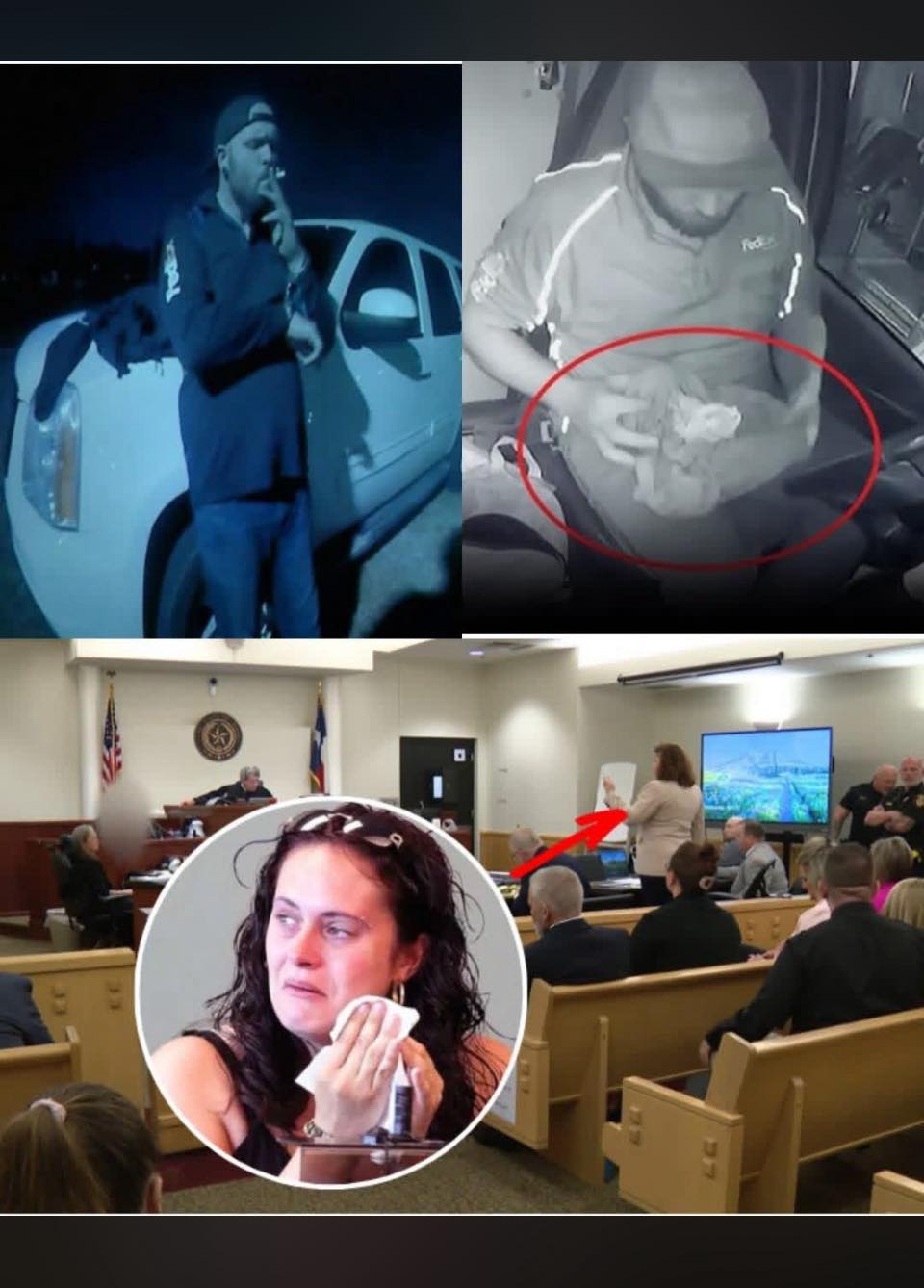
The prosecution immediately dismantled this logic. They pointed out that physical evidence contradicts Horner’s initial claim that he accidentally hit Athena with his truck—meaning there was no “accident” to supervise. Whether there was another person in the vehicle does not change the fact that he intentionally committed a crime. When the prosecutor asked point-blank: “Are you saying his autism caused him to kidnap and murder this child?”, Beth concluded firmly: “No, I’m saying it did not.”
The Desperation of the “Autism Defense”
The defense’s strategy is showing clear signs of desperation. When the evidence of the crime is overwhelming—ranging from a confession to forensic data—they are forced to cling to the label of Autism Spectrum Disorder (ASD).
Spending $40,000 on brain experts and calling witnesses from elementary school reveals an attempt to turn a criminal trial into a medical seminar. They want the jury to believe that Horner’s brain is simply “broken” and that he lacked the capacity for self-control.
However, as the witnesses (even those called by the defense) have affirmed: Autism is not a license to kill. Millions of people worldwide live with autism every day, and they do not kidnap or murder children. Blaming this condition is not only a cowardly move by the defendant but also a toxic stigmatization of the entire autistic community.
Justice for Athena: Not Letting the Pain Be Forgotten
While Horner and his lawyers are preoccupied with frontal lobes and 5th-grade memories, Athena Strand’s family continues to endure unimaginable grief. Athena’s mother has established a non-profit organization called the Athena Strand Foundation (which the public is encouraged to follow and support on social media) to protect children and prevent similar tragedies.
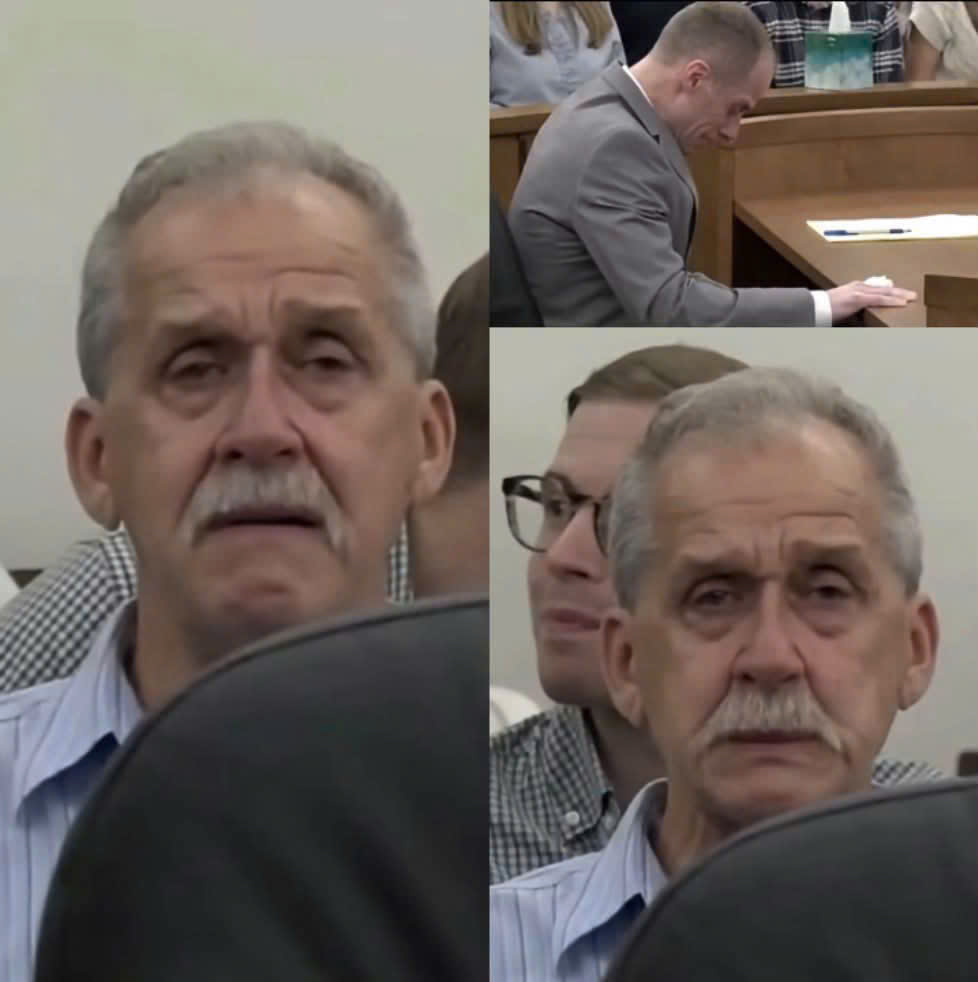
The resilience of Athena’s family in the gallery, wearing their “Athena Strong” shirts, is a testament to their resolve. They will not allow “absurd” arguments to cloud the truth. Justice is not about finding a medical excuse for evil; it is about holding a perpetrator accountable for the life he stole.
Conclusion
The Tanner Horner trial is heading into its final stages, with closing arguments expected around May 5th. No matter how far the defense reaches, no matter how many expensive experts or childhood teachers they call, the truth remains singular: An innocent child lost her life at the hands of a man who was supposed to provide a service, not death.
Society must watch this case closely, not just for the sentencing of Horner, but to affirm a powerful message: Mental health may explain behavior, but it can never excuse a crime.
Please support the Athena Strand Foundation to help protect children from the dangers that lurk in our communities.