Eric Richins’ family burst into tears in court after hearing the 2 IMPORTANT words; the justice pursued for 4 years finally reaches an unexpected ENDING
In a legal saga that captivated the nation and blurred the lines between domestic tragedy and cold-blooded calculation, Kouri Richins has been found guilty of murdering her husband, Eric Richins. On Monday, March 16, 2026, a Summit County jury returned a unanimous verdict after a mere three hours of deliberation, concluding a three-week trial that exposed a web of financial ruin, infidelity, and a lethal dose of fentanyl.
The courtroom in Park City, Utah, was thick with emotion as 3rd District Judge Richard Mrazik read the decision. Kouri Richins, 35, stood with her head bowed, staring at the floor and taking deep, labored breaths as she was convicted on all counts: aggravated murder, attempted aggravated murder, forgery, and two counts of insurance fraud. For the family of Eric Richins, the moment was a culmination of four years of grief and suspicion. Amy Richins, Eric’s sister, wept openly as the word “guilty” echoed through the room. Outside the courthouse, she described the family’s state as one of profound shock and relief, noting that the long-awaited justice finally allowed them to shift their focus toward the healing and well-being of Eric’s three young sons.
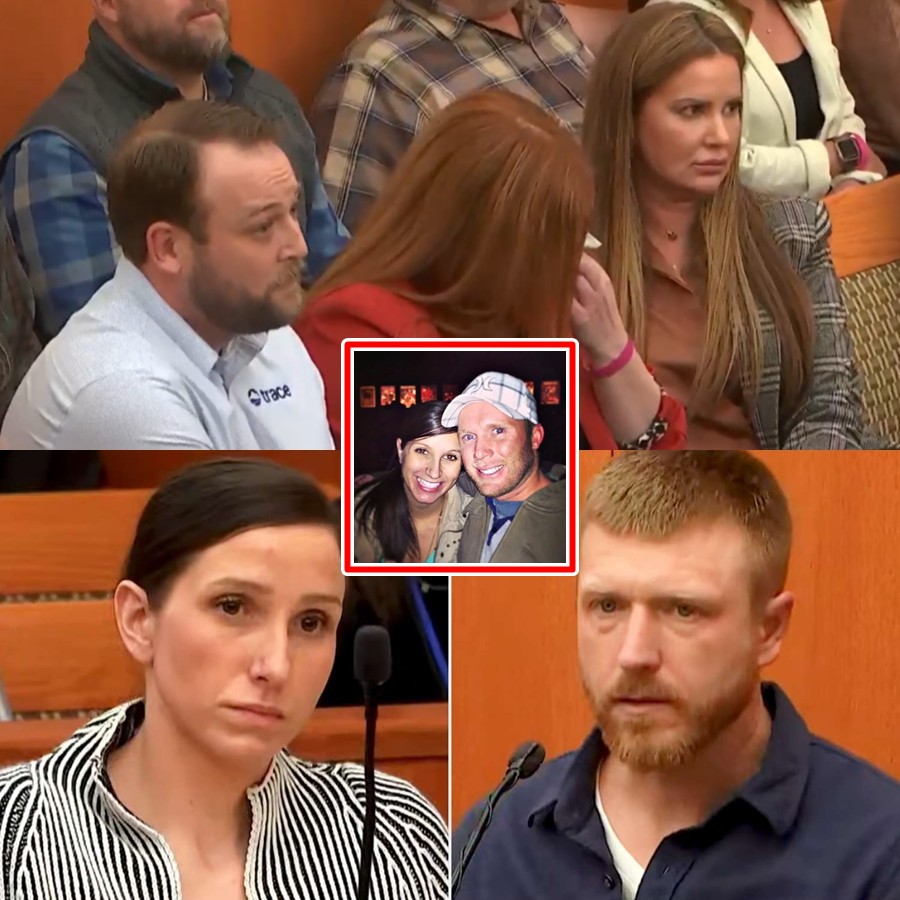
The prosecution’s case, led by Summit County Chief Prosecutor Brad Bloodworth, painted a chilling portrait of a woman driven by “intense ambition” and crushing debt. According to evidence presented at trial, Kouri Richins was a real estate agent whose house-flipping business had spiraled into a financial nightmare. At the time of Eric’s death in March 2022, she was allegedly $4.5 million in debt, with nearly $2 million owed to private lenders and her bank accounts showing negative balances. Prosecutors argued that Kouri viewed her husband not as a partner, but as a financial obstacle. “She wanted to leave Eric Richins but did not want to leave his money,” Bloodworth told the jury during closing arguments, describing her transition from a wife to a “black widow.”
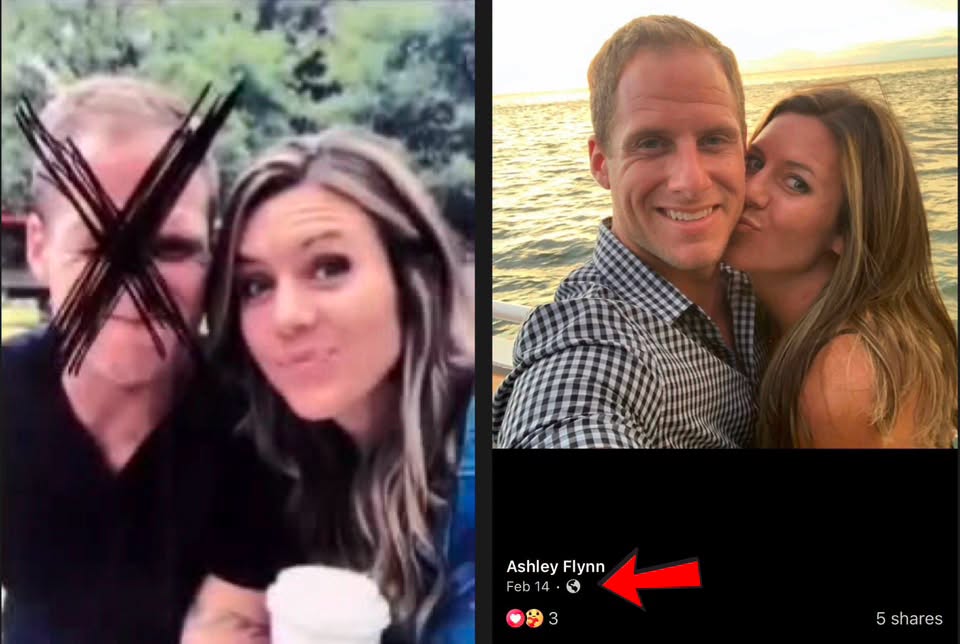
Central to the state’s evidence was the forensic analysis of Eric’s death. A medical examiner determined that Eric had died from an overdose of fentanyl, with a concentration in his system nearly five times the lethal limit. Prosecutors alleged that Kouri had slipped the synthetic opioid into a Moscow Mule cocktail she served him to celebrate a recent property closing. This was not her first attempt, according to the jury’s findings. Kouri was also convicted of attempted murder for an incident on Valentine’s Day 2022, just weeks before the fatal poisoning, when Eric became violently ill and lost consciousness after eating a sandwich prepared by his wife. Eric had reportedly told friends and family members at the time that he believed Kouri was trying to kill him.
The trial also delved into the digital and personal secrets Kouri allegedly kept. Forensic analysts presented a harrowing list of internet searches from Kouri’s phone, including queries like “what is a lethal dose of fentanyl,” “luxury prisons for the rich America,” and “can cops find deleted messages?” Furthermore, the prosecution introduced evidence of an extramarital affair Kouri was having with a man named Robert Josh Grossman. Text messages revealed that Kouri had fantasized about a future with Grossman, one that involved millions of dollars in divorce settlements and a life free from Eric.
Perhaps the most unsettling element of the case—and the one that garnered international headlines—was Kouri’s public persona following the murder. In the year after Eric’s death, she self-published a children’s book titled Are You With Me?, which was marketed as a tool to help children cope with the loss of a parent. She appeared on local television and radio segments to promote the book, casting herself as a grieving widow navigating the heartbreak of her children. Prosecutors argued that this was a calculated “facade,” designed to cement her image as a victim and deflect any growing suspicion from law enforcement or Eric’s skeptical family.
The defense, led by attorney Wendy Lewis, attempted to pivot the narrative by portraying Eric Richins as a man struggling with undisclosed health issues and a potential addiction to painkillers. They pointed to his history with Lyme disease and the presence of marijuana gummies and an old hydrocodone prescription in the home as evidence that his death might have been an accidental overdose or a result of his own drug procurement. Lewis characterized the investigation as “sloppy” and “driven by bias” from Eric’s family, who had hired private investigators to look into Kouri almost immediately after the funeral.
In a move that stunned legal observers, the defense rested its case without calling a single witness or presenting its own experts. They relied entirely on cross-examining the state’s 42 witnesses, including star witness Carmen Lauber, a former housekeeper who testified that she had sold Kouri fentanyl pills on multiple occasions. The defense argued that Lauber was a “liar” motivated by a desire to avoid her own legal troubles, but the jury was clearly unmoved by the attempt to discredit her.
While the murder trial has concluded, Kouri Richins’ legal battles are far from over. She still faces a separate trial for 26 additional financial-related charges, including mortgage fraud and identity theft. These charges stem from allegations that she forged Eric’s signature on various documents to secure loans and diverted money from his personal accounts to fund her business ventures. A civil lawsuit filed by Eric’s sister also seeks millions in damages, alleging that Kouri systematically misappropriated Eric’s assets both before and after his death.
The sentencing for the murder conviction is scheduled for May 13, 2026—a date that holds significant weight as it would have been Eric Richins’ 44th birthday. Given the severity of the aggravated murder charge, Kouri faces a sentence of 25 years to life in prison. For the community of Kamas and the Richins family, the verdict represents a tragic end to a story that seemed pulled from the pages of a thriller. As the proceedings closed, family members emphasized that their priority is now the three boys left behind, promising that they are surrounded by love as they continue to heal from a betrayal that cost them their father.