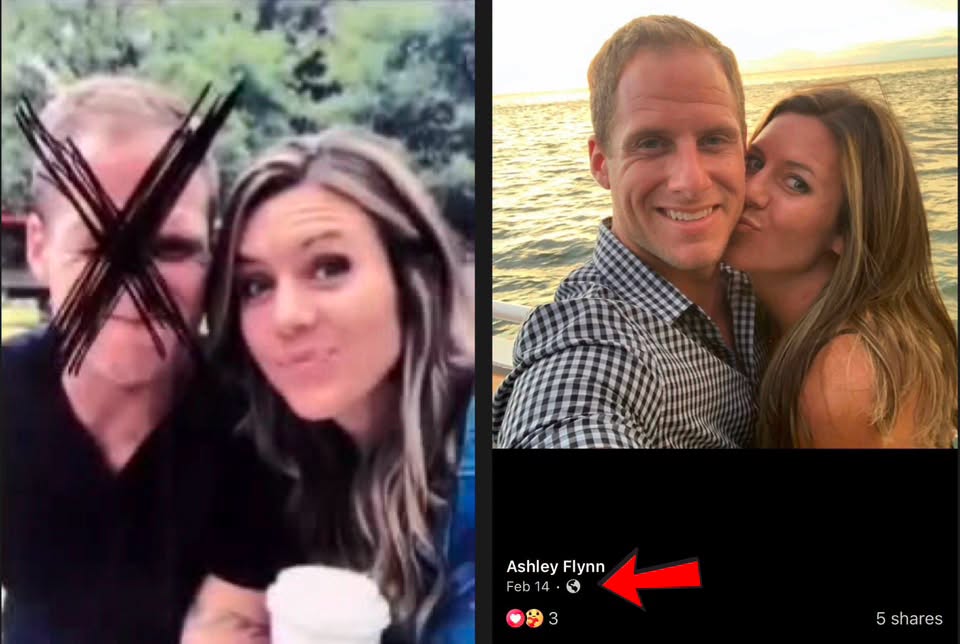
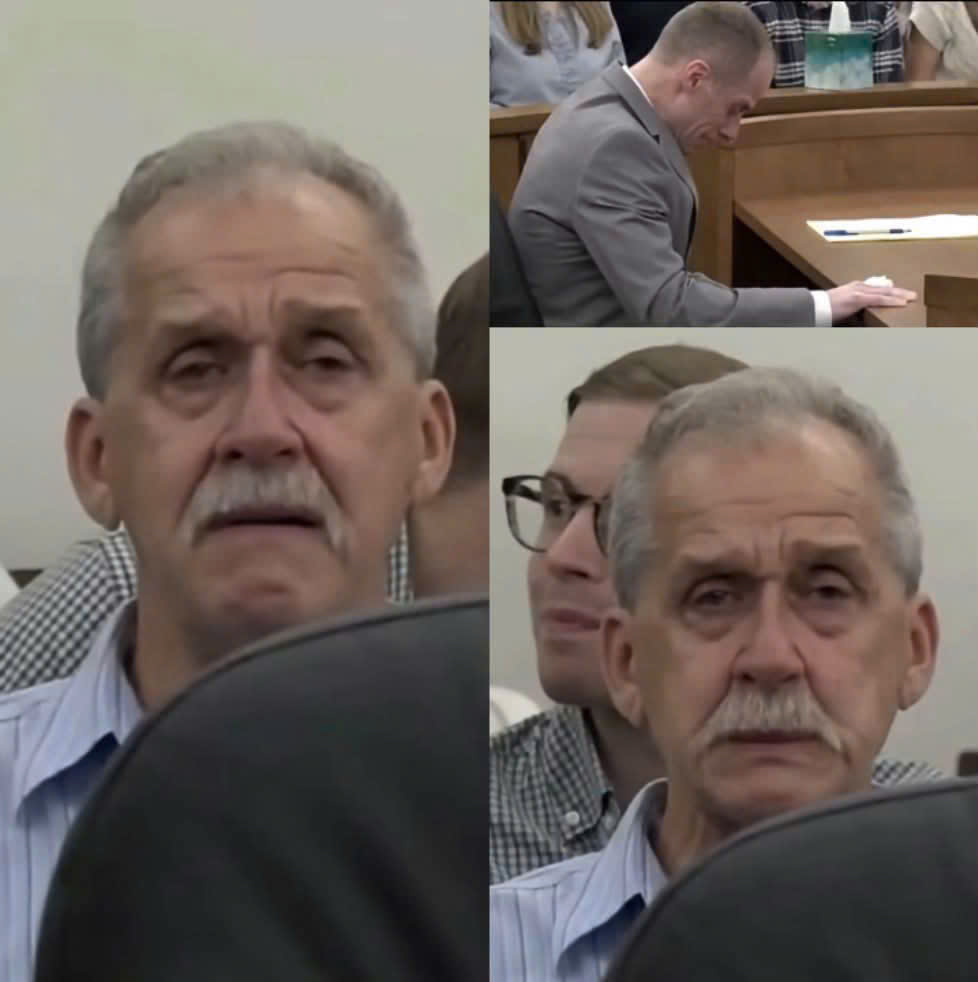
SHOCKING: Discovery of the email Kouri Richins secretly sent to detectives and her biological mother to derail the police investigation; the ENTIRE CONTENT OF THE EMAIL is truly horrific—no wife or mother has ever been as ruthless as Kouri.
The Author of Deception: Unveiling the Calculated Coldness of Kouri Richins and the Myth of the Grieving Widow
The tragedy of Eric Richins was initially presented to the world as a heartbreaking narrative of a life cut short and a family shattered by an inexplicable loss. At the center of this story was his wife, Kouri Richins, a woman who seemingly channeled her immense grief into a children’s book designed to help her three young sons cope with the death of their father. However, as the legal proceedings in Summit County, Utah, have recently concluded with a flurry of guilty verdicts, a much more sinister reality has emerged. Kouri Richins was not a victim of circumstance; she was the architect of a meticulous and cold-blooded execution. The trial unmasked a woman whose primary concerns following her husband’s death were not the emotional well-being of her children, but rather the immediate celebration of her newfound financial freedom and the desperate, secret manipulation of an ongoing police investigation.
The prosecution’s case against Kouri Richins was built upon a foundation of staggering financial infidelity and a series of calculated attempts to eliminate Eric while securing his estate. Long before the fatal night of March 4, 2022, Kouri had been operating in the shadows of her marriage. Evidence revealed that she had secretly obtained a $250,000 home equity line of credit on Eric’s premarital home by forging his signature and had withdrawn over $100,000 from his personal bank accounts. When Eric discovered these betrayals, he began to realize that the woman he shared a bed with was his greatest threat. He took the profound step of secretly changing his life insurance beneficiary and creating a living trust that excluded Kouri, a move that likely saved his children’s future but may have sealed his own fate. Eric’s fear was so palpable that he left behind what family members described as a “final warning,” telling multiple people that if he died unexpectedly, “Kouri was to blame.”
Despite Eric’s precautions, Kouri’s determination to exit the marriage with his wealth intact led to the events of that fateful March evening. She claimed they were celebrating a successful real estate closing with a Moscow Mule—a drink that forensic analysts later determined was laced with five times the lethal dose of illicit fentanyl. What followed was a performance of grief that was as elaborate as it was hollow. While Kouri told 911 dispatchers and responding officers that she had performed desperate CPR, the physical evidence told a different story. Paramedics found Eric’s body in a state that suggested no resuscitation efforts had been made prior to their arrival. Kouri’s claims of being “distraught” and “vomiting in the bathroom” were contradicted by bodycam footage showing a woman who was eerily calm and focused on how the investigation might affect her.

Perhaps the most damning evidence of Kouri’s true state of mind was her behavior in the immediate aftermath of Eric’s death. While most spouses would be incapacitated by such a sudden loss, Kouri moved with a chilling efficiency to consolidate her gains. Within twenty-four hours of Eric being pronounced dead, Kouri was not at a funeral home or comforting her sons; she was at a closing for a multimillion-dollar mansion she had been obsessed with buying—a purchase Eric had explicitly forbidden. Witnesses testified that she threw a celebratory party at the new property, popping champagne and laughing while the man she claimed was the love of her life lay in the morgue. This “celebration” was not a momentary lapse in judgment; it was the jubilant reaction of a woman who believed she had finally successfully executed her plan and escaped the financial constraints of her marriage.
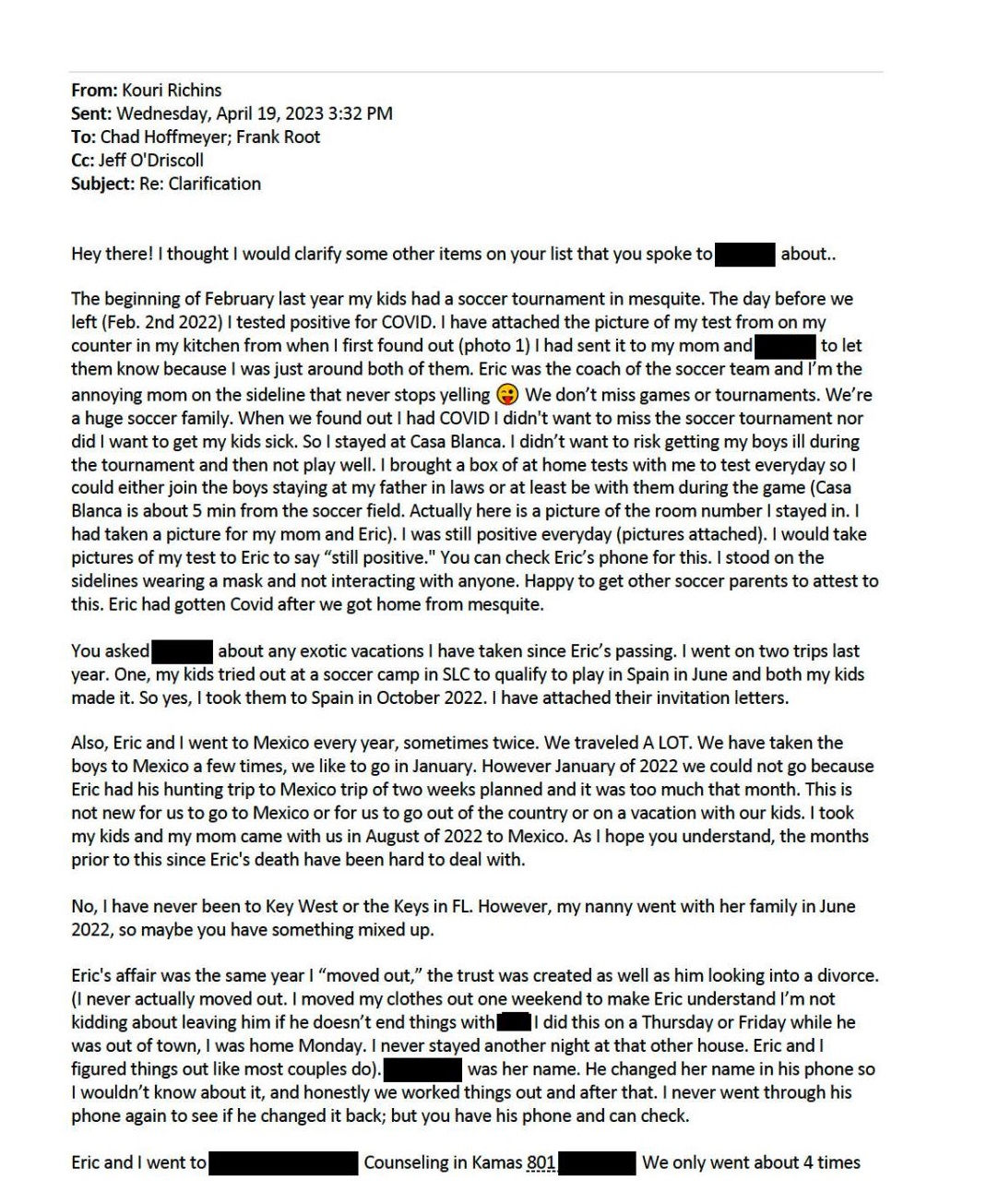
As the police investigation intensified, Kouri’s facade began to crack, leading her to engage in a series of desperate maneuvers to mislead the Summit County Sheriff’s Office. Central to this was a secret and manipulative email she sent to detectives, which she also shared with her mother, Lisa Darden, as a way to coordinate their stories. In this correspondence, Kouri attempted to paint Eric as a secret drug user and a man who had been unfaithful, effectively trying to tarnish his reputation to provide a “reasonable” alternative for the fentanyl in his system. She claimed Eric had a “texting war” with someone in Mexico over hunting trophies and suggested he might have obtained tainted drugs there. This narrative was a blatant fabrication designed to shift the focus away from her own illegal procurement of fentanyl from her housekeeper, Carmen Lauber. The email was a calculated attempt to play the part of a helpful widow while simultaneously planting seeds of doubt about Eric’s character.
The prosecution also brought to light the “Walk the Dog” letter—a six-page handwritten document discovered in Kouri’s jail cell during a search. This letter was essentially a script Kouri had written for her mother, instructing her to have Kouri’s brother, Ronald Darden, testify falsely at trial. Kouri directed him to say that Eric had obtained “edible marijuana gummies” from Mexico that were potentially laced. She even coached them on how to describe Eric’s supposed “pill-popping” habits. This was not the behavior of an innocent woman seeking the truth; it was the work of a criminal mastermind trying to suborn perjury from her own family members to escape justice. The sheer audacity of trying to coordinate a defense based on lies from within a jail cell highlighted Kouri’s belief that she could outsmart the legal system just as she believed she had outsmarted Eric.
The trial also touched upon a disturbing familial pattern that investigators could not ignore. It was revealed that Kouri’s mother, Lisa Darden, had been the subject of an investigation in 2006 following the death of her own romantic partner. That individual had died unexpectedly from an overdose of oxycodone shortly after naming Lisa as the beneficiary of her estate. While Lisa was never charged, the parallels between the two cases were too striking for the jury to dismiss as mere coincidence. It suggested a familial environment where the use of pharmaceutical “solutions” to financial problems was a learned or at least observed behavior. This dark history added another layer of complexity to Kouri’s character, suggesting that her path to becoming a “Black Widow” may have been paved by the examples she saw in her own home.
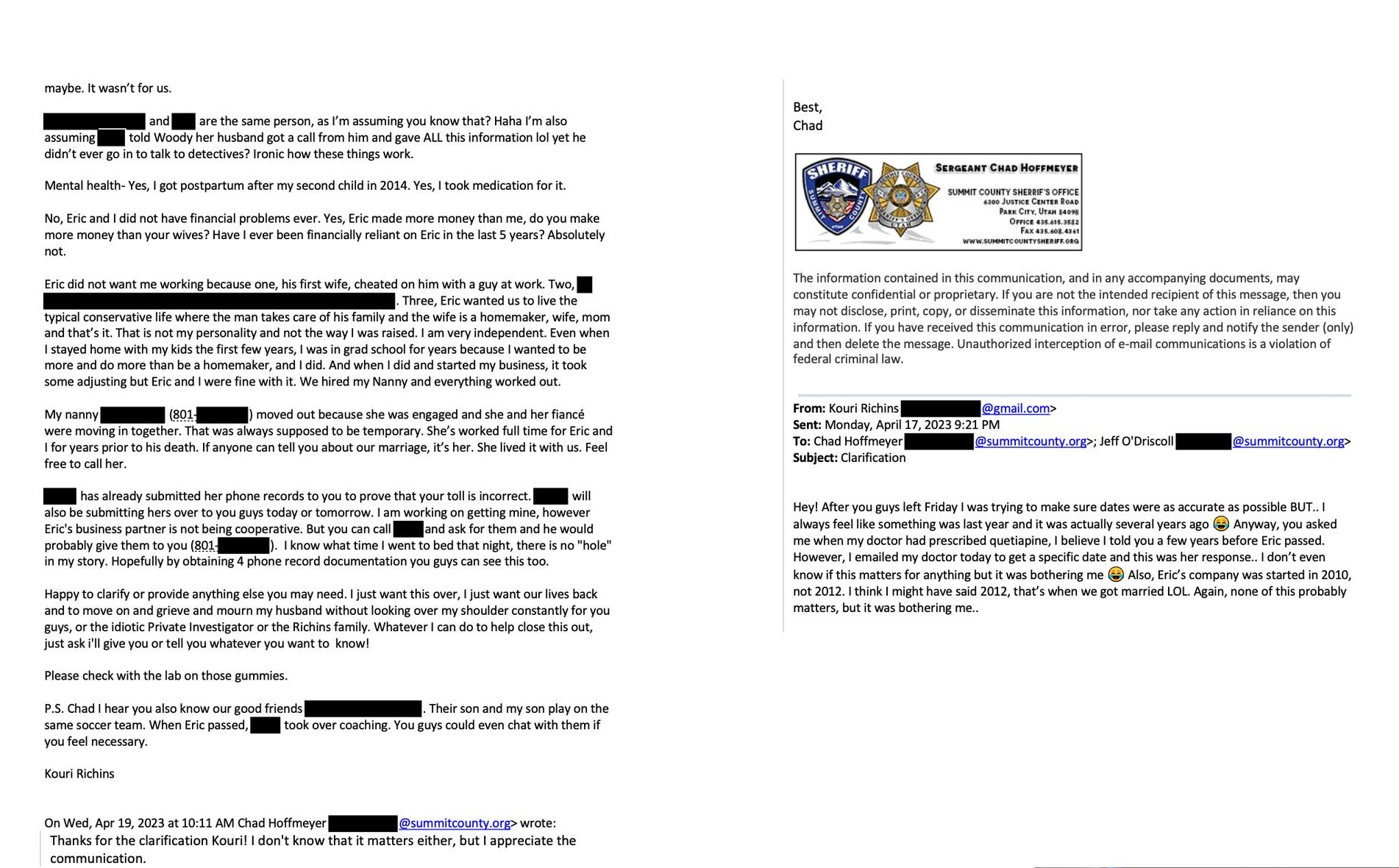
During the closing arguments, the prosecution hammered home the reality of Kouri’s “independence”—a trait she boasted about in her emails to detectives. They argued that her independence was fueled by greed and a total lack of empathy. They pointed out that while she wrote a book about “living with grief,” she was actually living with the secret of her own crime. The jurors were asked to look past the “mom next door” image and see the woman who had Googled “if someone is poisoned what does it go down on the death certificate as” and “can cops force you to do a lie detector test.” These were the actions of someone worried about being caught, not someone mourning a husband. The state’s attorney summarized it perfectly when he noted that Kouri was the only adult in the house that night; she was the only one with a motive, and she was the only one with the means.
The jury’s decision to convict Kouri Richins on all counts, including the murder of Eric and the attempted murder of him during the Valentine’s Day incident, serves as a testament to the strength of the circumstantial and forensic evidence. Despite the defense’s best efforts to highlight the lack of a “smoking gun” physical drug in the kitchen, the “boatload of fentanyl” in Eric’s stomach—as Detective O’Driscoll famously stated—was evidence enough. Kouri Richins will now face a sentencing hearing scheduled for May 13, 2026. The choice of this date is a final, poetic stroke of justice, as it would have been Eric’s 44th birthday. On a day that should have been marked by a father’s joy, Kouri will instead be told exactly how many decades she will spend behind bars for the horrific malice she secretly sowed. The woman who sought fame and fortune through a manufactured story of grief has finally been silenced by the undeniable truth of her own actions.