The Most Crucial Evidence in the Kouri Richins Case Won’t Be Released by Police for Another Year: While Eric’s Family Is Desperate to See It, Why Are Authorities Delaying and Hesitant to Reveal the Truth?
In the high-stakes world of true crime, where the line between a grieving spouse and a cold-blooded killer often blurs, the case of Kouri Richins has stood out as one of the most chilling spectacles in recent memory. For nearly three years, the public has followed every development in the Summit County, Utah, case that saw a mother of three and children’s book author accused of poisoning her husband, Eric Richins, with a lethal dose of fentanyl. This past Monday, March 16, 2026, that saga reached a definitive legal milestone when a jury found Kouri Richins guilty of aggravated murder and multiple counts of forgery and fraud. However, while the verdict provided a sense of closure for Eric’s family, a new battle is brewing over the transparency of the investigation itself, specifically regarding the body-camera footage from Kouri’s initial detentions and eventual arrest.
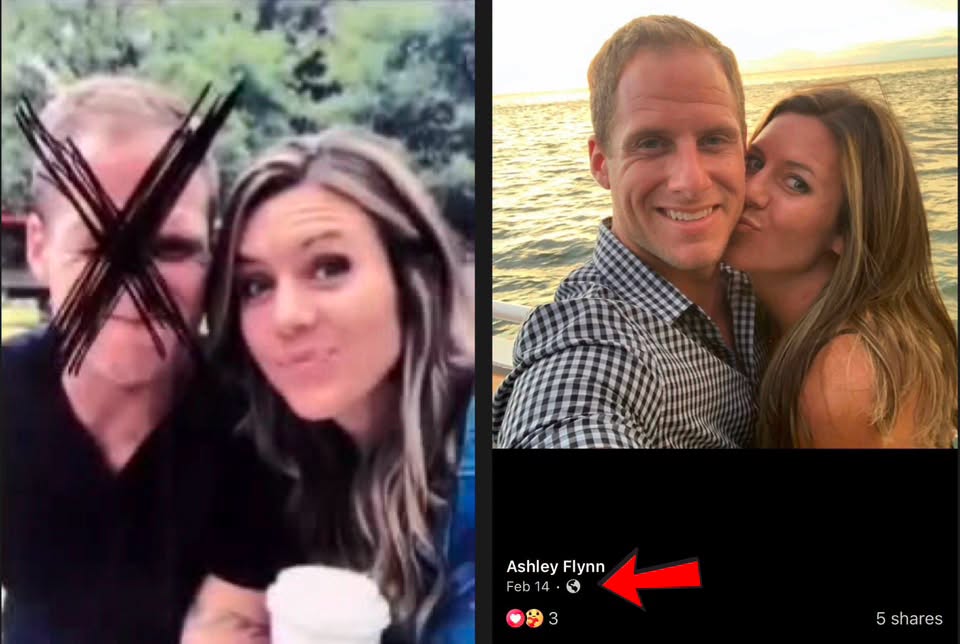
The timeline of this case is as long as it is tragic. It began on March 4, 2022, when Eric Richins was found dead at the foot of his bed. At the time, Kouri told investigators she had prepared a celebratory Moscow Mule for her husband to mark a successful real estate closing. She claimed she went to sleep in one of their children’s rooms after a nightmare and returned to find him cold to the touch. It took over a year of painstaking investigation by the Summit County Sheriff’s Office and the DEA to piece together a different story—one of a wife drowning in $4.5 million of debt, who had allegedly attempted to poison her husband on Valentine’s Day before successfully delivering the fatal dose of fentanyl a month later.
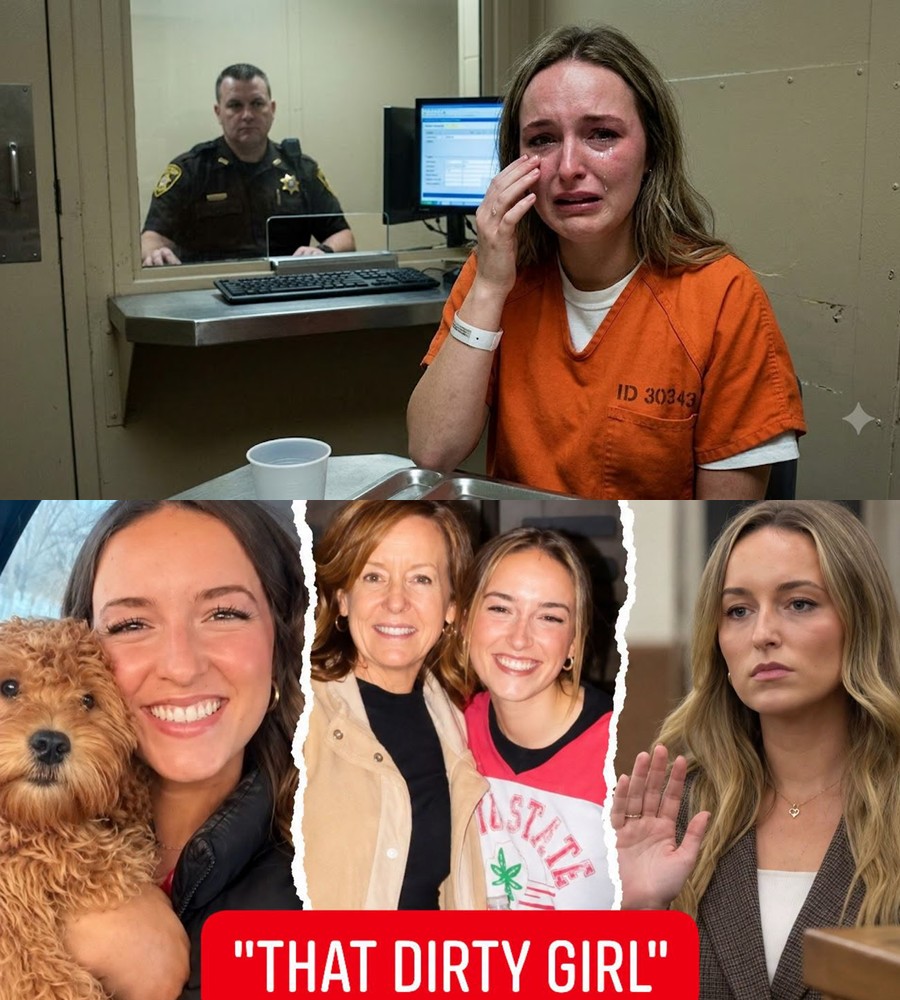
When Kouri was finally arrested on May 8, 2023, the world was already captivated by her persona. Only months earlier, she had appeared on local television to promote her self-published book, Are You With Me?, a guide for children dealing with the loss of a loved one. The irony of a woman writing about grief while allegedly being the architect of her own children’s sorrow was not lost on the public. Now, as she faces 25 years to life, or even life without the possibility of parole, the curiosity surrounding her true demeanor behind the scenes has reached a fever pitch. Specifically, true-crime investigators and media outlets like Plunder Studios have been fighting to see the footage of Kouri sitting in the back of a police cruiser—not just during her arrest in 2023, but also from the very night Eric died in 2022, when she was “detained” while authorities scoured their Willow Court home.

Despite the guilty verdict, the road to seeing these videos remains blocked by a wall of bureaucratic and legal resistance. A recent public records request appeal was denied by Summit County officials, citing a need to protect Kouri’s right to a fair appeals process. According to the denial, the release of such “protected” records could jeopardize future hearings, an argument that many find frustrating given that the trial phase has already concluded. The county manager, Shayne Scott, sitting as the Chief Administrative Officer, upheld the denial this week, suggesting that the public may have to wait another year or more—the estimated time for an appeal to wind through the courts—before the footage is ever released.
This legal tug-of-war highlights a significant tension in the American justice system: the balance between a defendant’s rights and the public’s right to witness law enforcement’s conduct. In the appeal filed by Plunder Studios, it was argued that because a jury has already rendered a verdict and been dismissed, there is no longer a “jury pool” to protect from pretrial publicity. Furthermore, the upcoming sentencing hearing on May 13, 2026—which would have been Eric’s 44th birthday—is to be conducted by a judge. Under Utah law, judicial officers are presumed to be impartial and capable of ignoring media coverage, yet the county maintains that the “danger” of depriving the defendant of a fair hearing persists as long as an appeal is possible.
The refusal to release the footage is particularly galling to those who have followed the case closely, as the trial itself laid bare so much of Kouri’s private life. Jurors heard testimony about her secret drug buys, her alleged attempts to change Eric’s life insurance policy, and her financial desperation. They were presented with evidence of her Google searches, including inquiries into lethal doses of fentanyl and whether life insurance pays out in the event of an accidental overdose. The prosecution’s case was built on the idea that Kouri’s public image as a devoted wife and author was a carefully constructed facade. The body-cam footage from the night of the murder and the day of her arrest is seen by many as the “raw” version of that story—the moments before the facade was fully set or the moments it finally crumbled.
Adding to the frustration is the fact that Kouri continues to use her platform, or at least the notoriety of her case, to maintain her innocence. In recordings released from jail, she has been heard discussing her case with family members, often in a tone that critics describe as manipulative. This has led to a “FOIA frustration” among journalists and the public, who feel that the government is being overly protective of a convicted murderer’s privacy at the expense of transparency. The comparison has been made to other high-profile cases, such as that of Bryan Kohberger, where the release of arrest videos became a similarly contentious issue.
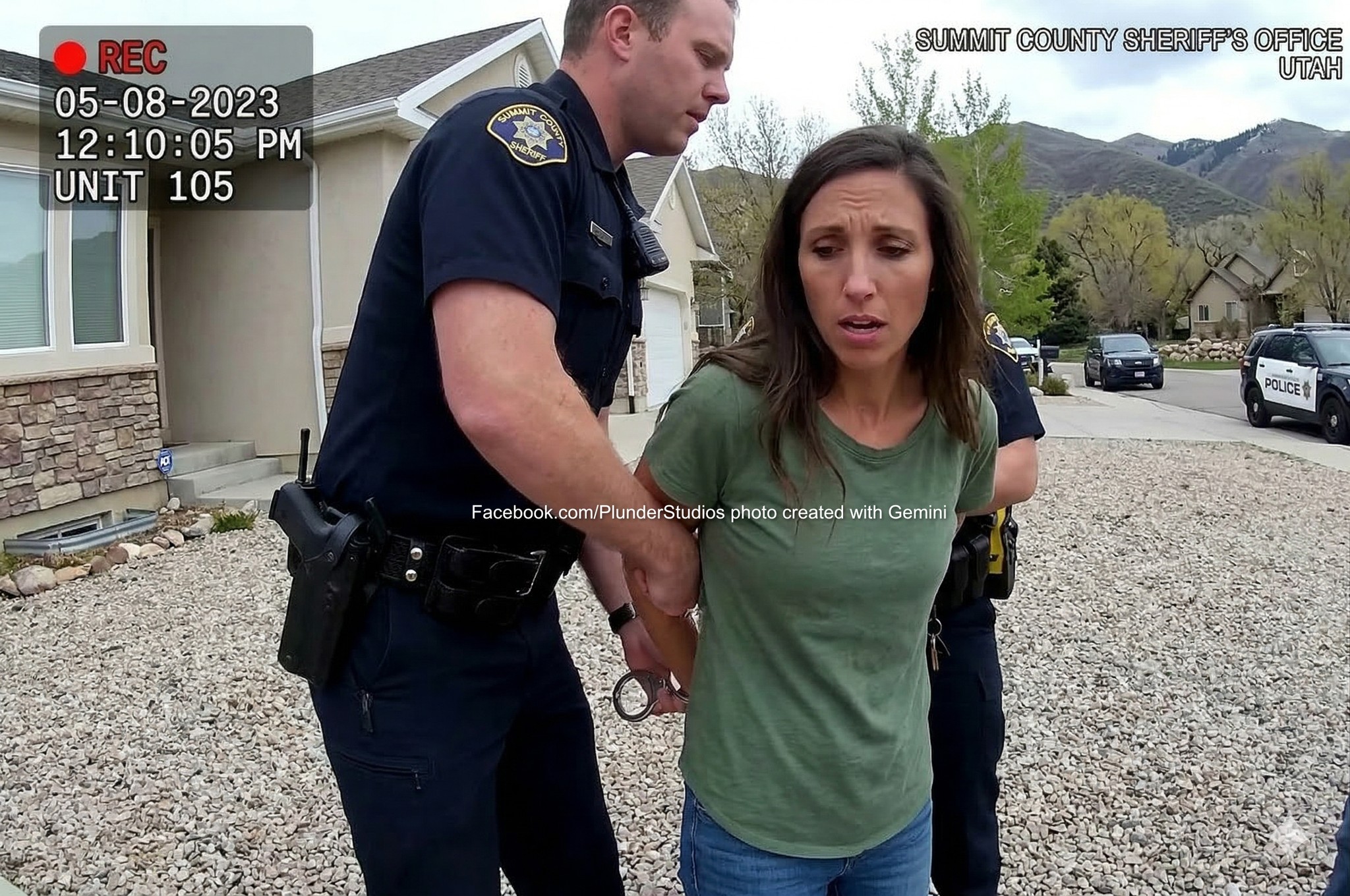
Credit: Plunder Studios
As it stands, Summit County’s denial leaves the requester with few options: they can appeal to the director of the Government Records Office, Lonny Pehrson, or take the matter to District Court. There is also the option of mediation through a government records ombudsman. However, these processes are notoriously slow. For a case that has already spanned four calendar years, the prospect of waiting until 2027 to see the arrest videos feels like a stall tactic to many observers. The public interest in the conduct of law enforcement during the initial stages of a high-profile homicide investigation is substantial, and many argue that the “protected” classification of these records became moot the moment the jury foreman read the word “guilty.”
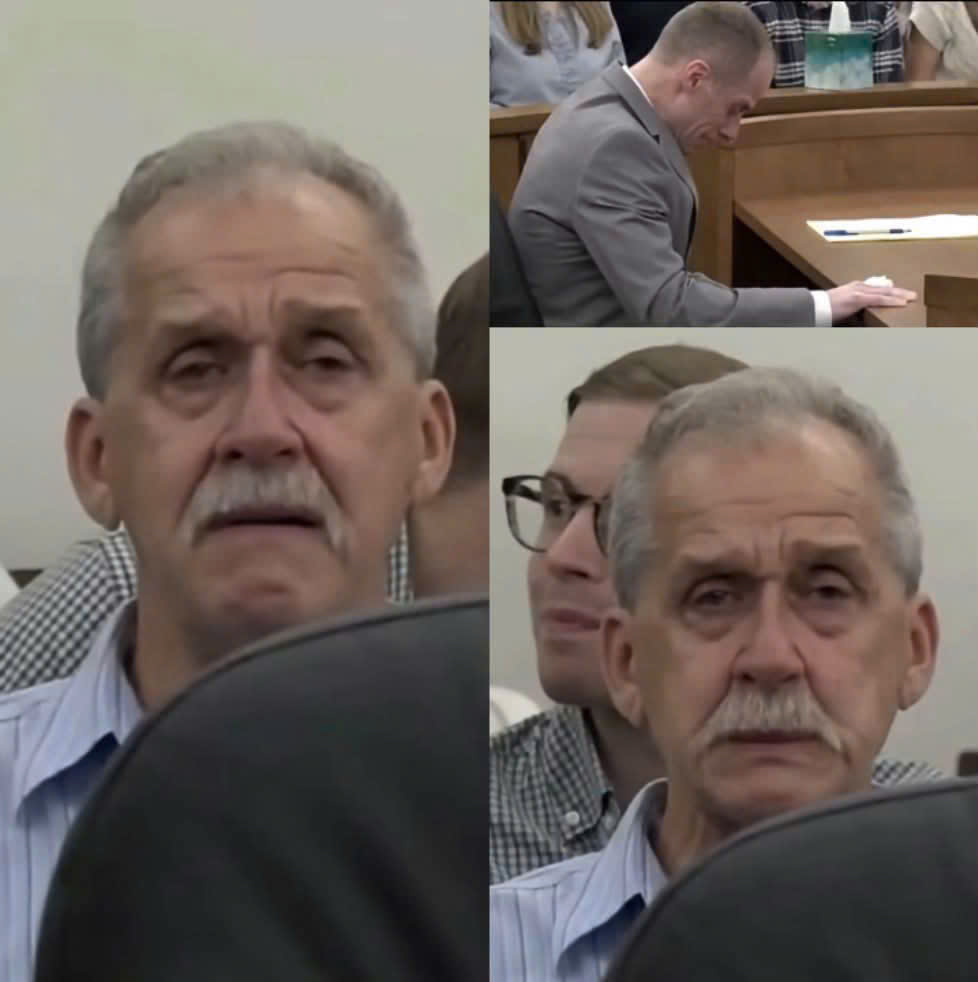
While the legal battle over the videos continues, the focus of the Richins family remains on the sentencing in May. For Eric’s family, the last three years have been a nightmare of grief and litigation. They have had to watch Kouri profit from a book about Eric’s death and maintain a public presence while they privately mourned a brother, son, and father. The verdict on March 16 provided a massive sense of relief, but the sentencing will be the final chapter in determining if Kouri Richins will ever walk free again. Whether the world will ever see her in those initial moments of detention—distressed, stoic, or otherwise—remains a question for a future court date.
The Kouri Richins case is a reminder that in the digital age, a criminal trial is often about more than just the evidence in the courtroom; it is about the control of information and the narrative. By withholding the body-cam footage, the state is essentially saying that the story is not yet over, and the public’s “right to know” must wait for the “right to appeal.” For now, the “Black Widow” of Park City remains behind bars, and the videos that might show her true face on the night her life changed forever remain locked in a government server, hidden from the taxpayers who paid for the cameras in the first place.