The autopsy results for American Airlines flight attendant Eric Fernando Gutierrez Molina have left his family devastated
The autopsy results for American Airlines flight attendant Eric Fernando Gutierrez Molina have left his family devastated: authorities have confirmed that Eric was indeed murdered. The perpetrators turned his final moments into a living hell, and the remote location where his body was discovered was not the actual crime scene. The truth behind the case is far more terrifying than initially imagined.
The tragic and unsettling death of Eric Fernando Gutierrez Molina, a dedicated American Airlines flight attendant, has sent shockwaves through the aviation community and raised urgent questions regarding the safety of international travelers in Colombia. What began as a routine business trip to the vibrant city of Medellín ended in a harrowing mystery that has now been partially clarified by a preliminary autopsy. The findings are as grim as they are definitive: Gutierrez Molina was murdered. However, the discovery of his body in a remote, rural area has led investigators to a chilling conclusion—the site where he was found was merely a dumping ground, a secondary location intended to obscure the trail of a crime that began in the heart of the city’s nightlife district.
Eric Fernando Gutierrez Molina was more than just a face among the thousands of cabin crew members who crisscross the globe. Born and raised in El Salvador before emigrating to the United States and achieving citizenship, his life was a testament to the pursuit of the American dream. Described by his family on a GoFundMe page as a “beautiful soul,” he was the “sunshine” in the life of his long-term partner, Ernesto. His mother’s recollections paint a picture of a man whose warmth was immediately recognizable to anyone he met. This inherent kindness makes the brutality of his end even more difficult for his loved ones and colleagues to reconcile.

The timeline of the tragedy began earlier this month when Gutierrez Molina traveled to Colombia on business. According to Medellín Security Secretary Manuel Villa, the flight attendant was spending an evening in Itagüí, a municipality bordering Medellín, alongside a female co-worker. The pair had been at a local establishment before deciding to move to a second location with a group of other individuals. It was at this juncture that the evening took a dark and predatory turn.
The co-worker eventually made it back to her hotel, but her condition was alarming. Villa noted that she arrived “somewhat disoriented,” unable to fully account for the preceding hours or the whereabouts of Gutierrez Molina. He had vanished. This disorientation is a hallmark of a specific and terrifying criminal tactic frequently utilized by local gangs in Colombia: the use of scopolamine. Known colloquially as “Devil’s Breath,” scopolamine is an odorless, tasteless substance derived from the nightshade family. While it has legitimate medical uses for treating motion sickness, in high doses, it renders a victim completely submissive, erasing their willpower and, eventually, their memory of the event.
As the investigation unfolded, Villa confirmed that the authorities believe Gutierrez Molina and his colleague encountered individuals with a documented history of committing thefts using this very drug. The “scopolamine ring” theory fits the profile of numerous attacks in the region, where tourists are targeted in bars or clubs, drugged, and then systematically robbed of their bank cards, PINs, and personal belongings while in a zombie-like state. However, in Gutierrez Molina’s case, the robbery escalated into a fatal encounter.
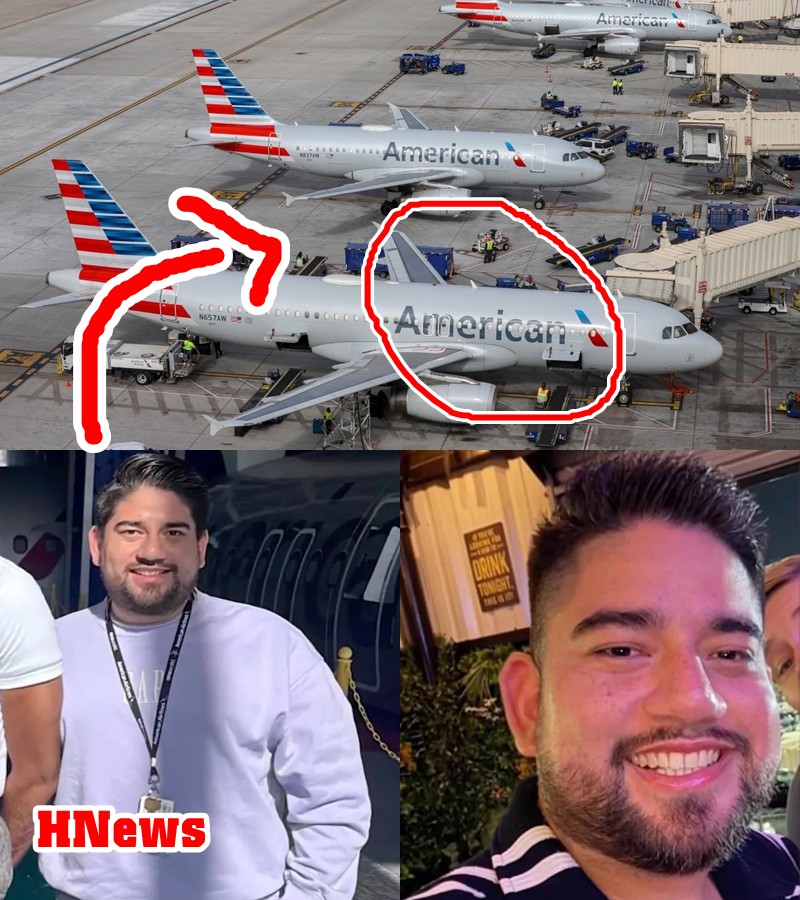
The discovery of his body in a remote rural spot initially baffled local residents, but the preliminary autopsy has provided the necessary context for the Medellín Metropolitan Police. The forensic evidence indicates that the cause of death was not accidental—nor was it a simple overdose of the sedatives used against him. The confirmation of murder implies a level of violence or intentionality that moved beyond the scope of a typical “knock-out” robbery. Furthermore, the lack of biological evidence or signs of a struggle at the recovery site led forensic experts to determine that the actual crime occurred elsewhere. The rural location was chosen specifically for its isolation, a tactical move by the perpetrators to buy time before the body was discovered.
Despite the calculated nature of the crime, there is a glimmer of hope for justice. Authorities have indicated that they are not working in the dark. Officials have stated they have “very clear leads on those responsible,” suggesting that surveillance footage from the establishments in Itagüí and perhaps digital footprints left by the suspects are yielding results. The Medellín Security Secretary has emphasized that the investigation is a high priority, given the international profile of the victim and the potential impact on the city’s vital tourism industry.
American Airlines, the employer to whom Gutierrez Molina dedicated much of his professional life, released a poignant statement on Monday. The airline expressed that they are “heartbroken by the tragic passing of our colleague.” They further committed to providing full support to the family and working closely with Colombian law enforcement to ensure that the investigation reaches a resolution. For the flight attendant community, the news has been a somber reminder of the vulnerabilities faced by crew members during layovers in foreign cities, often leading to calls for increased security briefings and stricter safety protocols for staff staying in high-risk areas.
The emotional toll on the family is immeasurable. Speaking to NBC Dallas-Fort Worth, Gutierrez Molina’s brother made a public plea for spiritual and legal support, asking for prayers for his brother’s peace and for God to “bring justice to those who did this to him.” The family’s grief is compounded by the distance and the complexities of navigating a criminal investigation in a foreign country, though the involvement of U.S. authorities and the high-level focus from Colombian officials offer some solace.
The case highlights a growing concern in Medellín, a city that has worked tirelessly to shed its historical reputation for violence and transform into a global hub for innovation and culture. While the city has largely succeeded in this transformation, the resurgence of scopolamine-related crimes poses a significant challenge. These “opportunistic” crimes are often carried out by sophisticated networks that pre-screen victims in upscale neighborhoods, making it difficult for visitors to distinguish between friendly locals and predatory criminals.
In the case of Eric Fernando Gutierrez Molina, the perpetrators likely saw a target of opportunity—an international traveler with perceived wealth. They did not see the man described by his mother as a “beautiful soul,” nor the dedicated partner who brought joy to his home in the United States. They saw a mark. The transition from a robbery-by-drugging to a murder suggests either a struggle that went wrong or a deliberate act of cruelty once the suspects had obtained what they wanted.
As the preliminary autopsy reports are finalized and the investigation transitions into a manhunt for the identified suspects, the focus remains on the “clear leads” mentioned by authorities. The use of a secondary location to dump the body indicates a level of premeditation and familiarity with the geography of the Medellín outskirts, suggesting the suspects are likely part of an established criminal element rather than amateur thieves.
For now, the rural spot where Gutierrez Molina was found serves as a silent witness to a crime that began in the neon lights of Itagüí. The contrast between the peace of the countryside and the violence of the act is a jarring reflection of the tragedy. Eric Fernando Gutierrez Molina’s journey from El Salvador to the skies of the United States was a story of hope and hard work. It is a profound injustice that this journey was cut short in such a calculated and cold-blooded manner.
As the legal process moves forward, the pressure is on Colombian authorities to turn their “clear leads” into arrests. The international community, the airline industry, and a grieving family in the United States are watching closely. They are not only looking for the “who” and the “how” but are demanding that the “why” results in a level of accountability that prevents such a tragedy from happening to another traveler.
In the end, the legacy of Eric Fernando Gutierrez Molina will not be defined by the rural spot where he was found, but by the “sunshine” he brought to those who knew him. His family’s request for prayers and justice underscores a universal truth: behind every headline and every autopsy report is a human life that mattered. The pursuit of justice for his murder is now a race against time and a test of the Colombian legal system’s ability to protect those within its borders, whether they are there for a day or a lifetime. The investigation continues, and with it, the hope that those responsible for extinguishing such a bright light will soon be held to account.