AMERICA IN SHOCK: Son Murders Parents and Calls 911 in Blind Rage; A Preventable Tragedy That Came Too Late—The Scene of the Parents’ Deaths Is Truly Heart-Wrenching
The System That Failed: The Tragic Deaths of Scott and Tina Turk
PEORIA, Arizona — On the evening of March 31, 2026, a quiet neighborhood near 83rd Avenue and Jomax Road became the scene of a preventable American tragedy. Jonathan Turk, 29, surrendered to police after allegedly murdering his parents, Fraser “Scott” Turk, 63, and Tina Turk, 56. The weapons—a hammer and a knife—were found in a trash can. The motive, according to Jonathan’s own 911 call, was a blind rage over being forced to take psychiatric medication.
But for those who knew the family, the true “motive” was a broken mental health system that ignored years of desperate pleas for help.
A History of Warnings
Court records reveal a chilling timeline of a family in crisis. Scott and Tina Turk were not silent victims; they were active advocates for their son’s safety and their own. In 2026 alone, they filed three mental health petitions—legal requests for involuntary evaluation or treatment. These were added to a documented history that included a 2023 missing persons report when Jonathan vanished while off his medication.

In Arizona, a mental health petition is a “cry for help” from families who realize their loved one is a “danger to self or others.” Yet, despite these filings, Jonathan remained in the home, his condition a ticking time bomb.
The “Clear and Convincing” Barrier
Why was no one listening? Legal experts and advocates point to the high bar required for involuntary commitment. Under Arizona law, a judge must find “clear and convincing evidence” of immediate danger.
“The system is designed to protect civil liberties, which is important,” says Rachel Streiff, co-founder of Arizona Mad Moms. “But we have reached a point where we are asking parents to act as psychiatric wards without the training, the locks, or the security. When the system refuses to intervene, the burden falls on the family—and sometimes, as we see here, that burden is fatal.”
A Community in Mourning
The Turks were pillars of their Peoria community. Married for over 30 years, they were known for their kindness and their elaborate Halloween displays that drew neighbors together. “They tried and tried for their son,” one neighbor lamented. “They didn’t give up on him, but it feels like the state gave up on them.”
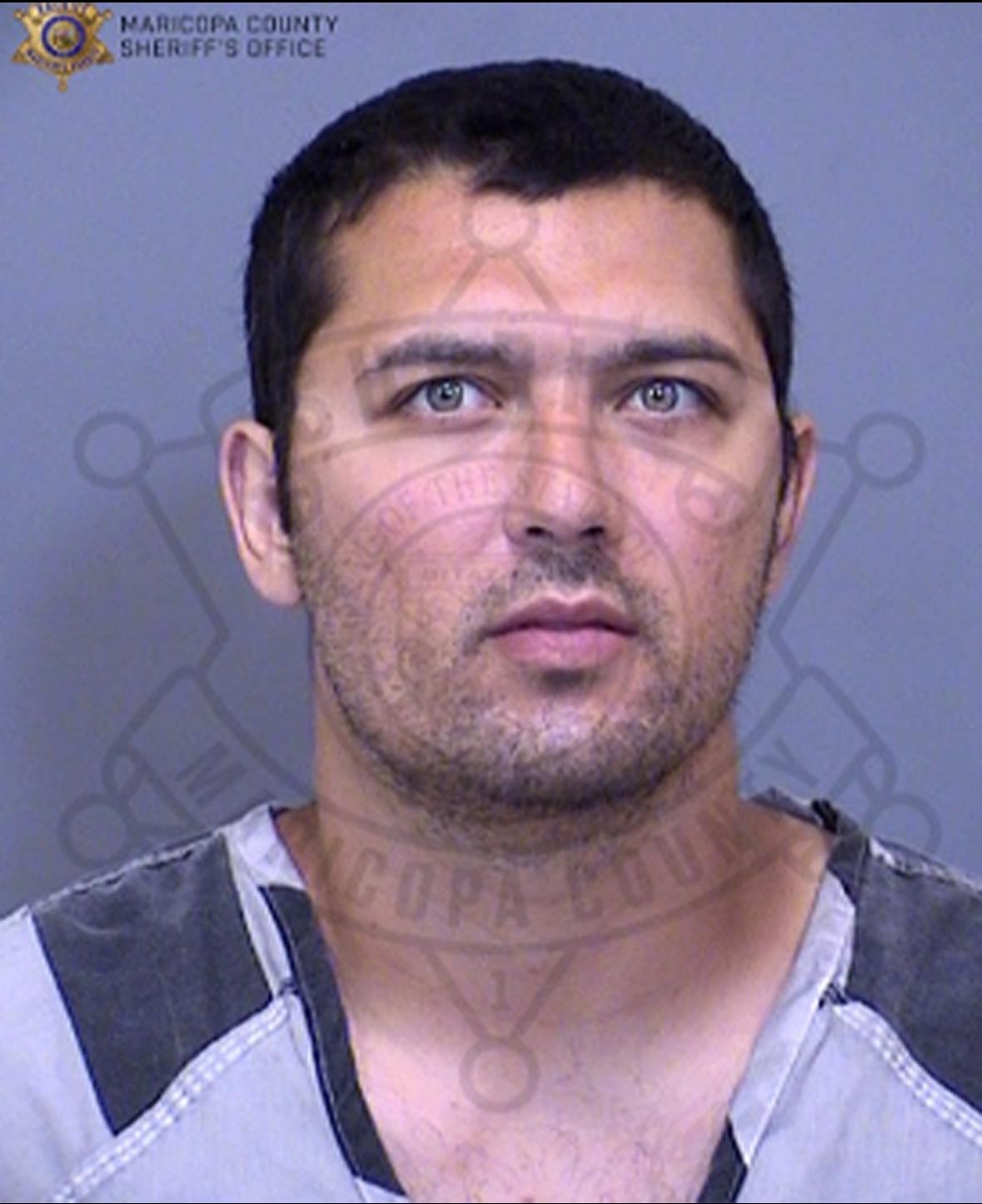
Their college-aged daughter now faces a life without her parents or her brother, who faces two counts of first-degree murder and a $2 million cash-only bond.
The Call for Reform
The deaths of Scott and Tina Turk have ignited a firestorm in the Arizona State Legislature. Senator Hildy Angius has proposed new legislation to expand psychiatric bed capacity and lower the threshold for court-ordered treatment in cases with a documented history of violence or non-compliance.
“We cannot keep kicking the can down the road,” Angius stated. “If we know a person is a danger and we do nothing, the blood is on our hands.”
For the Turk family, these reforms come too late. Their story remains a harrowing reminder that when mental health is not taken seriously, the cost is measured in human lives.