Colombian police have released the final CCTV footage of Eric Fernando Gutierrez Molina during a night of revelry at a bar, just hours before he was found dead in a desolate field: A haunting detail in the video has finally shed light on the MYSTERIOUS CAUSE of death of the American Airlines flight attendant
The repatriation of Eric Fernando Gutierrez Molina’s remains to the United States marks the end of a physical journey, but the beginning of a profound quest for justice. As the 32-year-old American Airlines flight attendant was received with heavy hearts at Dallas-Fort Worth International Airport, Colombian authorities finalized the initial phase of an investigation that has exposed a terrifying underworld operating within Medellín’s most famous tourist districts. The latest results from the Forensic Medicine Institute and the Metropolitan Police paint a clinical, yet haunting, picture of how a “ball of sunshine” was systematically extinguished by a trio of notorious predators.
The Fatal Divergence: 1:28 AM
The tragedy of Eric Molina is rooted in a single, seemingly mundane moment of social transition. On the night of March 21, 2026, Eric arrived in Medellín on a routine layover from Miami. Seeking to enjoy the city’s renowned atmosphere, he headed to the El Poblado neighborhood—an area characterized by its neon lights, high-end bars, and international crowds.

The final moments of Eric Fernando Gutierrez Molina at the bar before his mysterious disappearance and tragic death.
According to CCTV footage recovered by investigators, Eric spent the evening in the company of colleagues. At approximately 1:28 a.m. on March 22, the footage captures a poignant final image of Eric in his element: he is seen hugging his coworkers goodbye, presumably heading toward an Airbnb he had booked in the area. However, instead of returning to safety, the cameras show Eric engaging in a casual, seemingly friendly conversation with three unidentified men.
To a casual observer, the interaction looked like a traveler asking for directions or engaging in late-night banter. But to the Medellín police, these three men represented something far more sinister. They were not random revelers; they were “scouts” for a professional criminal ring with extensive prior records for predatory theft.
The Vanishing and the Silent Clue
Moments after walking off with these three individuals, Eric Fernando Gutierrez Molina vanished from the digital and physical grid of the city. The first sign that this was not a voluntary disappearance was the discovery of his backpack, left behind at the scene. For a flight attendant trained in logistics and personal responsibility, leaving such a vital item behind was the ultimate “red flag.” It suggested that Eric had either been lured away under a false pretext so quickly he forgot his belongings, or—more likely—he had already begun to lose his cognitive faculties.
When Eric failed to report for his return flight to Miami the following morning, the aviation community’s disciplined communication network swung into action. His partner, Ernesto Carranza, alerted authorities after Eric failed to respond to multiple check-ins. The subsequent investigation into his phone records revealed a chilling detail: his phone pinged at two locations that were entirely inconsistent with his hotel or his intended destination. These were the movements of a man no longer in control of his own trajectory.
The Weapon of Choice: “Devil’s Breath”
The latest results from the Colombian authorities confirm that Eric was a victim of scopolamine, or “Devil’s Breath.” This drug is the primary weapon for organized criminal gangs in Medellín. Tasteless and odorless, it can be slipped into a drink or even blown into a victim’s face. Within minutes, the victim enters a state of “passive compliance.” They are awake and able to walk and talk, but they have no willpower. They will hand over bank cards, PIN numbers, and even follow strangers into vehicles without a struggle.
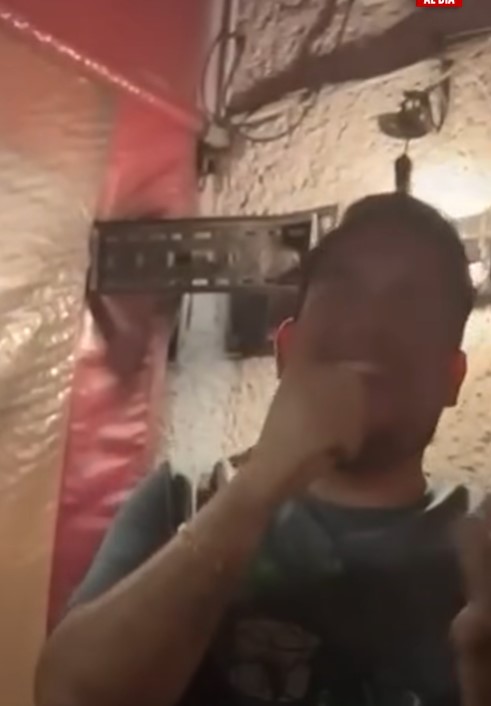
The final moments of Eric Fernando Gutierrez Molina at the bar before his mysterious disappearance and tragic death.
One of Eric’s colleagues who was out earlier that evening reported feeling “disoriented” and suffered from memory gaps, suggesting the group may have been targeted even before the final split at 1:28 a.m. While the colleague managed to return to safety, Eric was led away by the three men. The investigation suggests that the trio used Eric’s compliance to transport him away from the heavily policed streets of El Poblado.
A Secondary Location and a Calculated Murder
The most devastating update from the Colombian police involves the location of the body. On March 27, Eric’s remains were found in a rural area between Jericó and Puente Iglesias, nearly 60 miles away from the bar where he was last seen.
The preliminary autopsy results are clear: the rural spot was a “dumping ground,” not the crime scene. This indicates a level of premeditation that moves beyond simple opportunistic theft. The criminals took Eric to a secondary location—likely a private residence or a remote “safe house”—where they could hold him while they drained his accounts.
Forensic experts believe the situation escalated into murder either because of a lethal overdose of scopolamine or because the perpetrators realized the high-profile nature of their victim and chose to eliminate the witness. The violence inflicted upon Eric in his final hours has been described by investigators as “excessive,” leading to the confirmation that this was a homicide of the most brutal order.
The Repatriation and the “AA” Pall
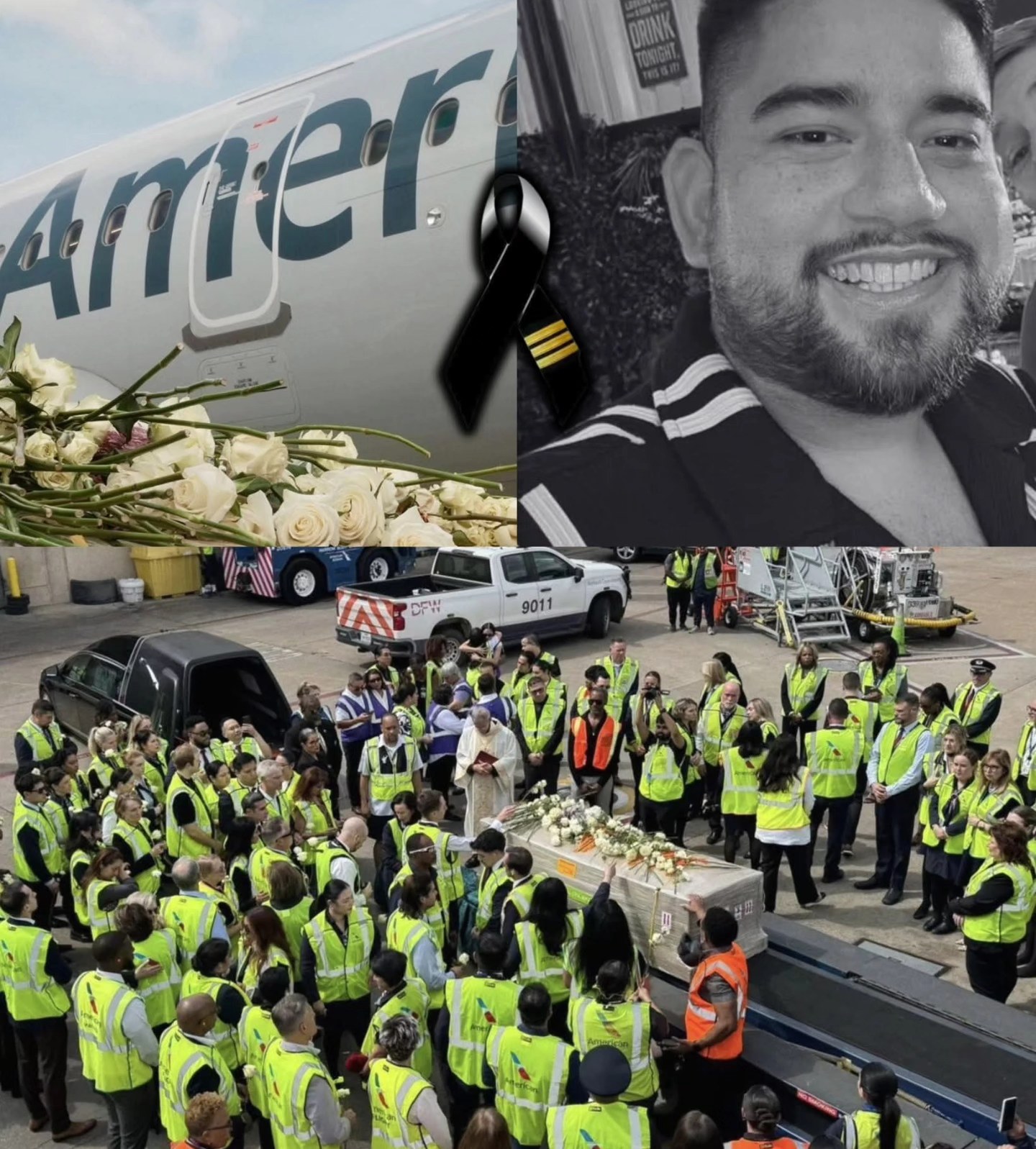
As the FBI assisted Colombian authorities in identifying Eric through fingerprints, the process of bringing him home began. The image of his casket, draped in a cloth bearing the “American Airlines” name, has become a symbol of the tragedy for his coworkers.
At the airport, the “last flight” was met with a guard of honor. Classmates from his initial training recalled a man who “cherished travel” and “loved connecting with people from around the world.” The irony that his love for global connection led him into the path of three men who exploited that very kindness is a source of immense pain for his family.
A Warning to the Global Community
The case of Eric Molina has sparked an international dialogue about crew safety and the hidden dangers of popular nightlife hubs. While Medellín has worked to shed its violent past, the “scopolamine epidemic” remains a persistent threat.
Colombian authorities, under the direction of Mayor Federico Gutiérrez, have vowed that the “clear leads” on the three men captured on CCTV will lead to arrests. These individuals, known to have prior records, are now the subjects of an intense manhunt. For American Airlines and the Association of Professional Flight Attendants, the focus is now on ensuring that Eric’s death serves as a catalyst for better safety protocols and stronger warnings for those on international layovers.
Final Thoughts: The Empty Backpack
As Eric’s family and his partner of ten years, Ernesto Carranza, begin the impossible task of saying goodbye, the investigation continues to look for the three men who walked Eric into the darkness. The backpack left behind in El Poblado remains the most poignant symbol of the case—a reminder of how quickly a life full of promise, travel, and “sunshine” can be stolen.
Eric Fernando Gutierrez Molina deserved to return home to Dallas-Fort Worth as he always did: with a suitcase full of gifts and a heart full of stories. Instead, he returned as a silent reminder of the darkness that can hide in the brightest cities. The world now waits for justice, hoping that the three men who took Eric’s life will soon be forced to answer for a crime that has left a void in the skies and a family’s heart forever broken.