TRAGEDY: Husband, 58, watches in horror as wife is tossed overboard in Bahamas; swept away by raging currents with boat keys in hand – Police reveal chilling state of husband when found
Tragedy in the Abacos: The Desperate Search for Lynette Hooker
ABACO, THE BAHAMAS – The turquoise waters of the Bahamas, typically a symbol of Caribbean serenity and luxury, have become the site of a harrowing maritime tragedy. As of early April 2026, a massive international search-and-rescue operation is underway for Lynette Hooker, a 55-year-old American woman from Michigan who vanished into the dark, churning currents of the Abaco Islands on the evening of Saturday, April 4.
The incident, which has sent shockwaves through the tight-knit cruising community of the Out Islands, highlights the precarious nature of island transit and the unforgiving power of the Atlantic currents.
The Night of the Disappearance
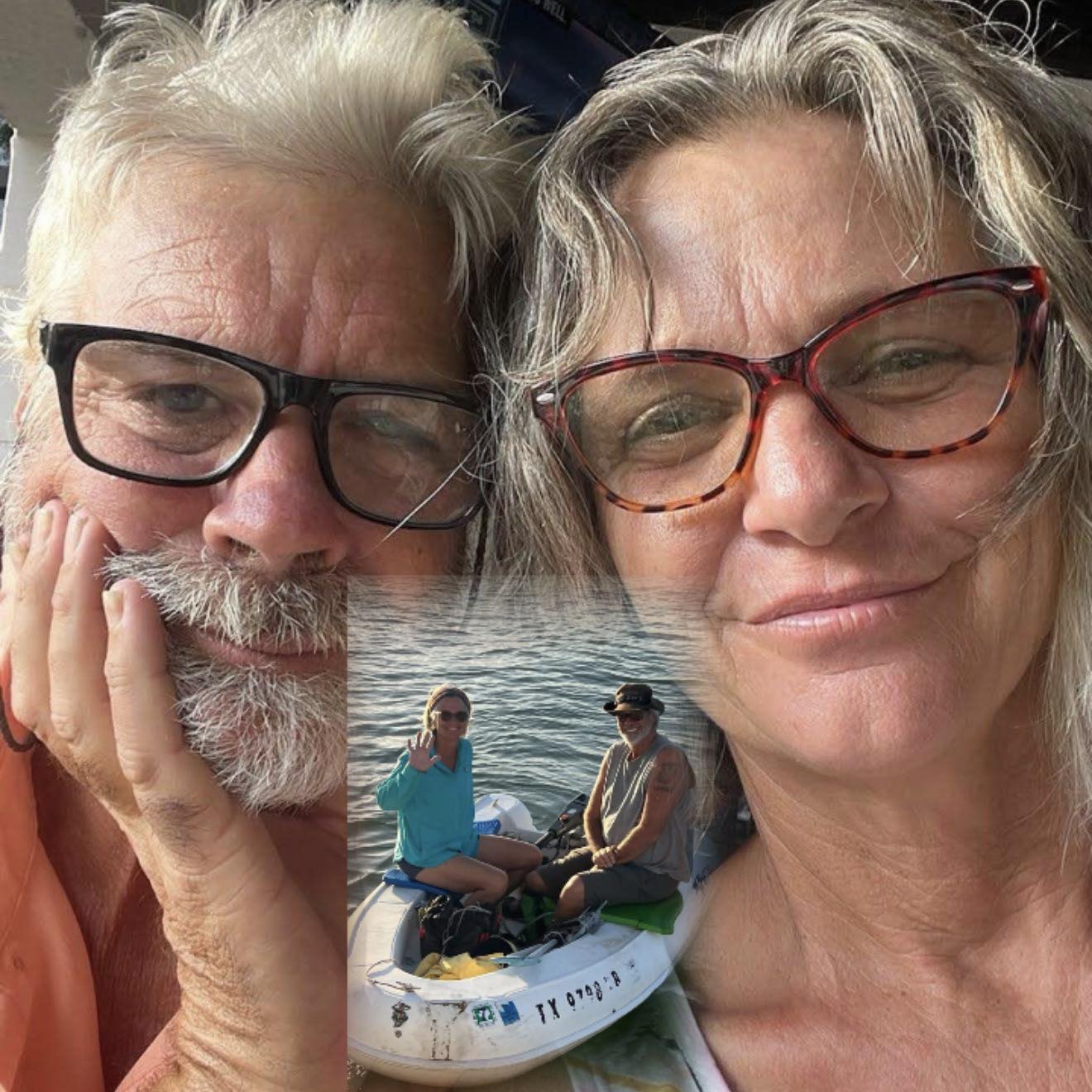
The ordeal began on a Saturday evening that started like many others for American tourists in the Abacos. Lynette Hooker and her husband, 58-year-old Brian Hooker, were navigating the waters between Hope Town and Elbow Cay. According to reports from the Royal Bahamas Police Force (RBPF), the couple was traveling in an 8-foot hard-bottom dinghy—a small, sturdy vessel often used by yacht owners to shuttle between their anchored ships and the shore.
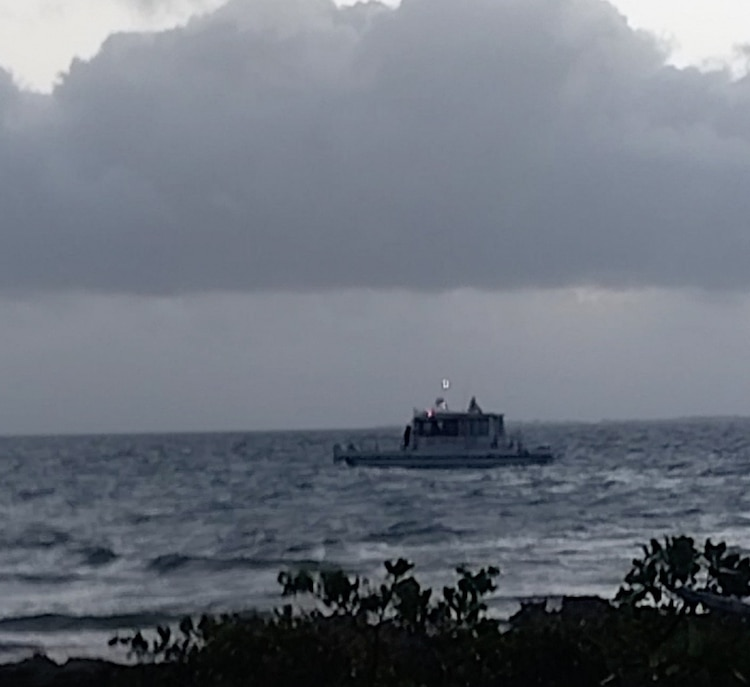
Around 7:30 p.m. local time, as twilight faded into a pitch-black tropical night, disaster struck. According to Brian Hooker’s testimony to authorities, the small vessel hit a patch of rough water or a swell, causing the boat to lurch violently. “She apparently bounced out of the boat,” Troy Pritchard, Chief of the Hope Town Volunteer Fire and Rescue, stated in an interview with CBS News.
In a cruel twist of fate that would prove catastrophic, Lynette was reportedly holding the boat’s ignition keys when she fell overboard. Most modern outboard engines are equipped with a “kill switch” lanyard; when the key or the tethered clip is pulled away, the engine cuts out instantly as a safety measure to prevent the boat from circling back and hitting the person in the water. While this safety feature worked as designed, it left Brian Hooker effectively stranded.
A Desperate Struggle in the Dark
With the engine dead and the keys lost to the depths with his wife, Brian Hooker found himself in a nightmare scenario. The waters around the Abaco Islands are notorious for their “cuts”—narrow channels between cays where the tide rushes in and out with immense force.
Brian reported to the police that the currents were exceptionally strong that evening. He watched helplessly as the current swept Lynette away from the disabled dinghy. In the absence of moonlight and with no engine power to maneuver toward her, he quickly lost sight of her black bathing suit against the dark water.
What followed was a grueling test of physical and mental endurance. Deprived of motorized power, Brian Hooker was forced to paddle the 8-foot dinghy manually. For nearly eight and a half hours, he battled the same currents that had taken his wife, desperately trying to reach land to summon help. It was not until 4:00 a.m. on Sunday, April 5, that he finally drifted into the Marsh Harbour Boat Yard. Exhausted and distraught, he alerted a bystander, who immediately contacted the Bahamian authorities.
The Search Effort Intensifies
By sunrise on Sunday, a full-scale mobilization was underway. The Royal Bahamas Police Force, joined by the Royal Bahamas Defence Force (RBDF) and the Hope Town Volunteer Fire and Rescue, began scouring the waters between Elbow Cay and Marsh Harbour.
The search quickly scaled up to include international assistance. The U.S. Coast Guard (USCG) Miami Sector deployed air support, sending HC-144 Ocean Sentry aircraft to fly patterns over the Abaco Sound and the open Atlantic side of the islands. Volunteers from the local boating community, known for their solidarity, also took to the water in private vessels, hoping to find any sign of the Michigan native.
“They’ve been out again today,” Chief Pritchard told reporters on Monday. “We still haven’t found anything.”
The search parameters are challenging. The “Sea of Abaco” is a shallow body of water protected by a reef, but the numerous “cuts” lead directly into the deep Atlantic. Search planners are using computer modeling to predict where the drift may have carried Lynette, but the variables of wind, tide, and the initial time gap between the accident and the report make the window of success increasingly narrow.
A Community in Mourning
In Onsted, Michigan, the community is reeling from the news. Friends and neighbors of the Hookers describe them as an adventurous couple who loved the water. Lynette, a familiar face in her hometown, is being remembered in prayers as the search enters its third day.
In the Bahamas, the incident has cast a shadow over the spring tourism season. The Abaco Islands, which have made a remarkable recovery since the devastation of Hurricane Dorian in 2019, are a premier destination for American boaters. This tragedy serves as a grim reminder of the inherent risks of maritime life, even in beautiful locales.
The Hidden Dangers of Bahamian Waters
The disappearance of Lynette Hooker has brought renewed attention to the safety warnings issued by the U.S. government. In March 2025, just a year prior to this incident, the U.S. State Department updated its travel advisory for the Bahamas to Level 2 (“Exercise Increased Caution”).
The advisory specifically highlights the risks of watercraft activities:
“Boating is not well regulated in the Bahamas. Many operators do not have the proper safety equipment or training. Injuries and deaths have occurred… always follow local weather and marine alerts.”
Maritime experts point out that while the Bahamas are breathtaking, the geography of the islands creates “tidal jets.” When the tide changes, millions of gallons of water must move through narrow openings between the islands, creating river-like currents that can overwhelm even strong swimmers. Furthermore, the lack of light pollution in the Out Islands means that once the sun sets, “total darkness” is literal, making visual recovery of a person overboard nearly impossible without strobe lights or reflective gear.
Questions and Investigations
As the search continues, the RBPF is conducting a standard investigation into the circumstances of the fall. While there is currently no evidence of foul play, authorities are piecing together the timeline. Key questions remain regarding the safety equipment on board the dinghy, such as whether life jackets were being worn or if the vessel carried flares or a handheld VHF radio.
The police have issued a public appeal for information. “We are asking people in the community who may have been in the area of Elbow Cay or Marsh Harbour on Saturday night to report anything unusual,” a police spokesperson stated. Anonymous tips are also being accepted through Crime Stoppers.
The Looming Window of Survival
As the search enters the 72-hour mark, the focus remains on “Search and Rescue” (SAR), though the transition to “Search and Recovery” is a looming fear. Survival experts note that the water temperature in the Bahamas in early April is typically around 75-77°F (24-25°C). While warm compared to Michigan waters, prolonged exposure can still lead to hypothermia, and the physical exhaustion of fighting a current is a major factor.
However, the SAR teams remain undeterred. The Royal Bahamas Defence Force has committed to continuing surface searches as long as weather permits. The U.S. State Department is providing consular support to Brian Hooker and the family, who are reportedly still in the Bahamas awaiting news.
A Warning to Travelers
This tragic event serves as a sobering lesson for the thousands of Americans who visit the Bahamas annually. Safety advocates urge boaters to:
- Wear Life Jackets: Even on short trips in calm water, a life jacket is the only thing that keeps an unconscious or exhausted person afloat.
- Attach the Kill Switch: Always wear the engine cut-off lanyard around your wrist or clipped to your life jacket.
- Carry Communication: A waterproof, handheld VHF radio or a personal locator beacon (PLB) can save lives when a boat’s primary systems fail.
- Avoid Night Transit: Navigating small dinghies at night significantly increases the risk of hitting submerged objects or failing to see a person fall overboard.
Conclusion
For now, the focus of the world remains on the Abaco Sound. The image of Brian Hooker, alone in the dark, paddling for eight hours to save his wife, is a testament to the human spirit—and a heartbreaking reminder of how quickly a dream vacation can turn into a struggle for survival.
As the sun sets over Hope Town today, the lights of the rescue vessels continue to flicker on the horizon, searching for Lynette Hooker. The people of Michigan and the Bahamas alike hold onto a fading hope for a miracle in the Atlantic.