UNACCEPTABLE: FedEx Driver’s Mother ‘Colludes’ with Son, Recounting HAUNTING Childhood to Spare Tanner Horner from Death Penalty—But Every Word is a MISTAKE; This Duo Deserves Hell
A MOTHER’S DESPERATE PLEA OR A FINAL INSULT? THE GRIM DEFENSE OF ATHENA STRAND’S KILLER
In a courtroom that has already seen the darkest depths of human depravity, a new, unsettling chapter has unfolded. As the trial of Tanner Horner—the FedEx driver who confessed to the kidnapping and brutal murder of 7-year-old Athena Strand—enters its penalty phase, the defense has turned to an unlikely, and deeply controversial, witness: Horner’s own mother.
A Defense Built on Trauma
On Wednesday, April 22, 2026, the courtroom in Fort Worth, Texas, became the stage for a defense strategy that has left observers, the victim’s family, and the public reeling. Horner’s mother, her face intentionally blurred to the public, took the stand. Her mission was clear: to humanize a monster. To save Tanner Horner from the death penalty, the defense sought to reframe him not as a cold-blooded killer, but as a byproduct of a broken, chaotic, and traumatic upbringing.
The testimony was a harrowing descent into the mother’s own life—a cycle of abuse, substance addiction, and systemic instability. She spoke of being sexually assaulted by her own stepfather starting at age four, entering rehab at fourteen, and working in strip clubs as a young woman. The narrative painted a picture of a life plagued by heroin and meth, a life so volatile that the stability required to raise a child was, according to her, an impossibility.
The “Nodded Out” Revelation: Sympathy or Repulsion?
The most gut-wrenching moment of the testimony came when she recounted Horner’s toddler years. She spoke of relapsing into hard drugs when Horner was around two, describing a scene that serves as a visceral metaphor for his alleged upbringing. She admitted to “nodding out” on the toilet while under the influence of heroin, leaving her young son to stumble upon her, paralyzed by the fear that his mother was dead.
“He was just a little guy, and he thought I was dead,” she testified. She followed this with a confession that resonated with a chilling finality: “I’ve never been able to stay sober.”
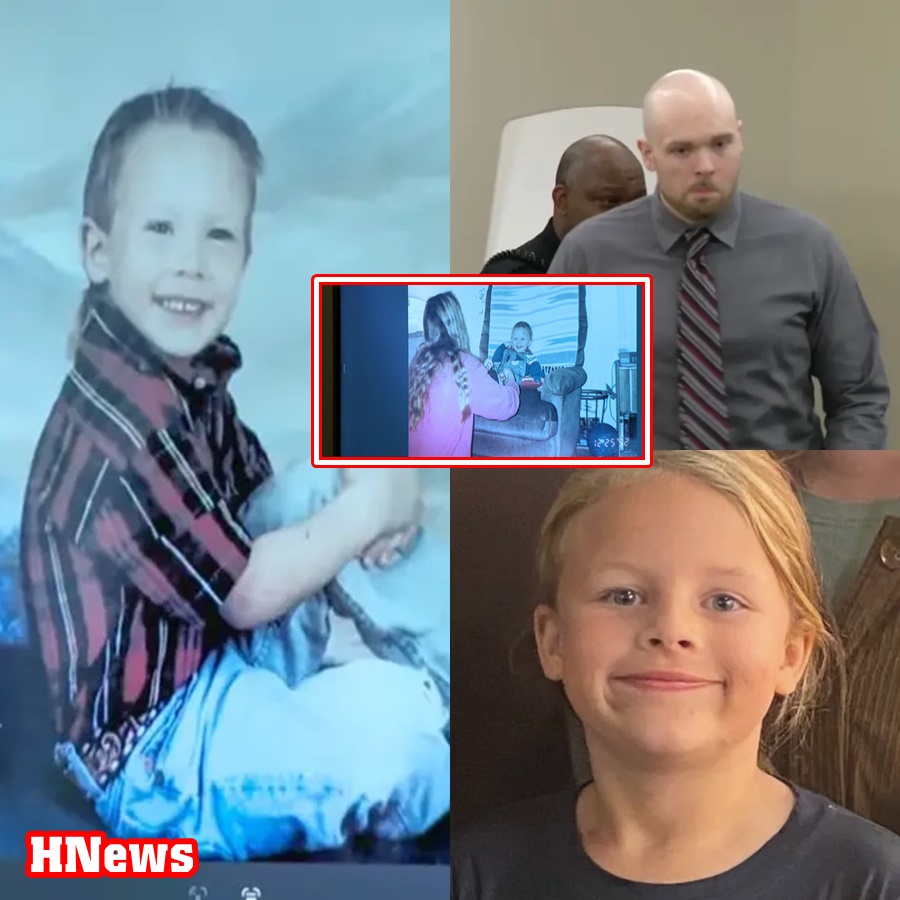
For the defense, this was a calculated move to establish “mitigating factors.” They argue that Horner’s neurological makeup, combined with a history of being bullied and a diagnosis of Asperger’s syndrome, created a trajectory that led to the horrific events of 2022. They are asking the jury to look past the act—the kidnapping, the chillingly casual singing of “Jingle Bell Rock” while a child suffered in the back of his van—and see the “little boy” who was once bullied and neglected.
The Public Outcry: An Insult to Athena’s Memory
The reaction from the public and those closely following the case has been one of visceral outrage. To many, this testimony is not a plea for justice; it is a profound insult to the memory of Athena Strand.
The social media sphere and local community forums have been flooded with comments echoing a singular sentiment: It is unacceptable. Critics argue that if Horner was indeed a product of a traumatic home, he—more than anyone—should have understood the sanctity of a child’s life. Instead, he chose to become the very source of trauma that he claims to have survived.
“We are hearing about how he was bullied, how he was neglected, and how his mother couldn’t stay sober,” said one observer familiar with the case. “But we are not hearing a shred of genuine remorse that shifts the focus away from his own ego. He wanted people to feel sorry for him during the interrogation. He played the insanity card. Now, his mother is playing the ‘tragic childhood’ card. It is a calculated, cold-hearted strategy that ignores the fact that a 7-year-old girl is dead because of a choice he made.”
The Chilling Contradiction
The defense’s attempt to paint Horner as a victim is sharply undercut by the evidence presented earlier in the trial. This is not a man who accidentally stumbled into a crime. The CCTV footage, which forced jurors and parents alike to flee the courtroom in tears, revealed a level of premeditation and cruelty that defies “tragic upbringing” explanations.
The exchange remains etched in the public consciousness:
- Horner: “Because you are pretty. You know that?”
- Athena: “My mom said you can’t do that. Why are you doing this?”
The sheer cognitive dissonance of a man who could engage in such a conversation and then, moments later, sing “Jingle Bell Rock” with carefree abandonment, suggests a psychological detachment that goes far beyond a difficult childhood. The defense’s narrative of a “misunderstood boy” fails to reconcile with the “predatory driver” who hunted a child on his delivery route.
The Weight of the Death Penalty
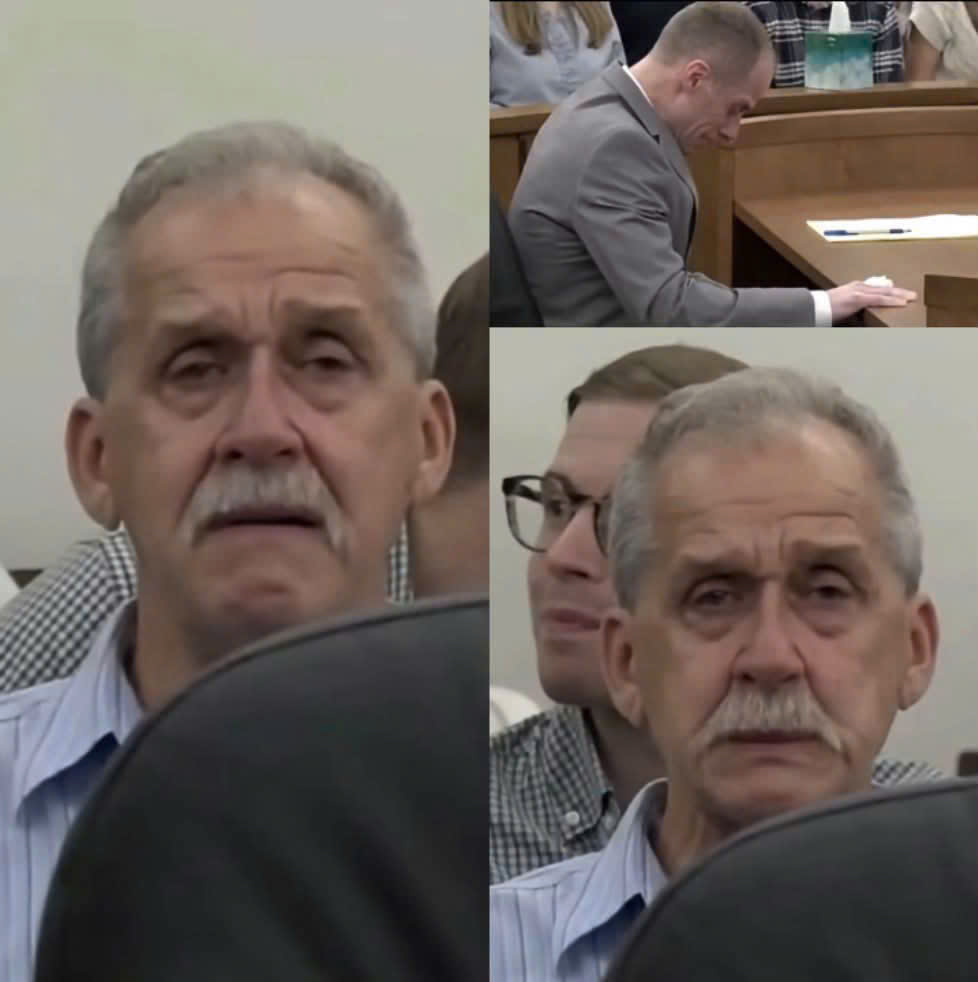
As the trial continues, the tension in the courtroom is palpable. Athena’s father has previously stood before the court, pleading with the jury to make the “right decision.” For him, and for the mothers who have followed this case with a sense of collective maternal horror, the “right decision” is not a life behind bars where Horner can write letters, attend trials, and have his family lobby for his humanity.
The question of whether Horner deserves to live has become a litmus test for the justice system. Is the death penalty reserved for only the most “sane” and “calculating” killers? Or is it the only appropriate response for an act of evil so profound that it shattered the peace of a community and the life of a child?
A Legacy of Failure
Ultimately, the testimony of Horner’s mother serves as a grim indictment of a life that went wrong long before the fateful day in 2022. It paints a picture of intergenerational trauma, where abuse was passed down like a curse. However, society is forced to ask a difficult question: At what point does a survivor of abuse lose their status as a victim and become an agent of horror?
Tanner Horner chose to break his silence and admit his guilt on day one of his trial—a move likely designed to set the stage for this very penalty phase. He has tried to express regret, he has written notes, and he has used his mother to tell his story. But for the jury, the task remains agonizingly simple: they must weigh the “why” of his past against the “what” of his actions.
As the legal arguments conclude and the jury prepares for their final deliberations, the spirit of Athena Strand looms over the proceedings. The courtroom, once filled with the echoes of a 7-year-old’s questions about her school and her mother, now holds the weight of a decision that will define the meaning of justice for years to come.
Whether the jury finds mercy in the chaos of Horner’s upbringing or demands the ultimate price for the theft of a child’s soul remains to be seen. But one thing is certain: no amount of testimony about a “troubled childhood” will ever be able to drown out the final, heartbreaking cries of Athena Strand.